
Trader Joe’s Food Recall: What Investors Need to Know About Glass Contamination
 Aime Summary
. , 2025, and includes products sold in the U.S. and Canada. No injuries have been reported, but the U.S. Department of Agriculture classified the recall as Class I, the most serious type.
In February 2026, Trader Joe’s is facing a high-profile recall involving its frozen chicken fried rice, a staple in the company’s refrigerated section. The issue stems from glass contamination discovered in the product, prompting a nationwide recall. While no injuries have been reported, the recall is being closely watched by investors and analysts as it could impact the company’s reputation, sales, and customer trust.
The recall was initiated after four consumer complaints were reported to the USDA’s Food Safety and Inspection Service (FSIS). , vegetables, seasoned dark chicken meat, and eggs. These products were produced by and distributed to Trader Joe’s stores nationwide, as well as to Canadian locations according to Fox Business.
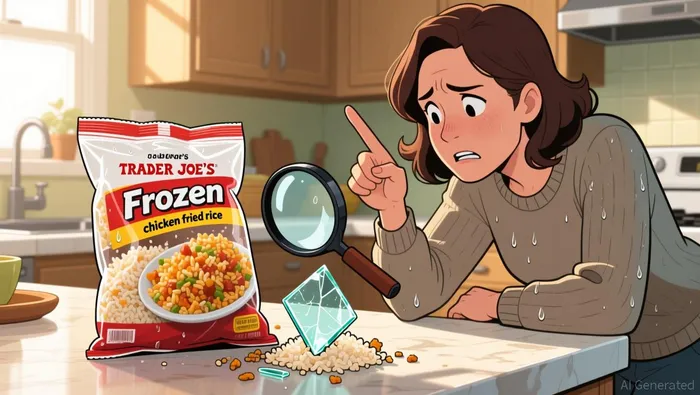
Why Is Trader Joe’s Chicken Fried Rice Being Recalled Over Glass Contamination?
The recall comes in response to reports of glass contamination found in frozen chicken fried rice sold by Trader Joe’s. The U.S. Department of Agriculture (USDA) has classified this as a , indicating the potential for serious health hazards if consumed. This classification is reserved for products that could cause illness or even death according to the report.
Consumers are advised to return or discard the recalled product immediately. The company has issued a statement urging customers to check their freezers and avoid consuming the affected items. The recall is being handled through Ajinomoto Foods North America, the manufacturer, and the USDA has provided a toll-free hotline for consumers seeking more information.
The recall has raised concerns about food safety protocols and quality control at Trader Joe’s. While the company has a reputation for offering high-quality, organic, and natural products, this incident could shake consumer confidence, especially if similar issues arise in the future.
What Does the Trader Joe’s Chicken Fried Rice Recall Mean for Investors?
For investors, the recall raises several questions about the broader implications for Trader Joe’s business model. The company operates with a lean inventory system, which means recalls can be particularly disruptive. If customers begin to lose trust in the safety of Trader Joe’s products, they may shift to other grocery chains or reduce their shopping frequency altogether. This could lead to a short-term drop in sales and potentially impact the company’s financial performance.
Moreover, the recall may also impact the company’s relationship with suppliers. Ajinomoto Foods North America is a key supplier in this case, and the incident could lead to tighter scrutiny of its quality control processes. If similar issues arise in the future, Trader Joe’s may be forced to re-evaluate its supplier contracts or implement more stringent safety checks.
From a market perspective, the recall may also affect investor sentiment toward the broader food retail sector. While Trader Joe’s has historically been a strong performer, any major incident involving food safety can have a ripple effect across the industry, especially in a time when consumers are increasingly focused on health and wellness.
What to Watch for in the Aftermath of the Trader Joe’s Recall
Investors and analysts should closely monitor how Trader Joe’s handles the recall and whether any additional safety measures are introduced. The company’s response will likely determine how much long-term damage is done to its brand. In the short term, the key metrics to watch include customer retention rates, inventory turnover, and any potential regulatory actions that may be taken by the USDA or other government agencies.
Additionally, investors should pay attention to any new policies or guidelines that may be introduced in the food retail industry in response to this recall. The incident could prompt a wider conversation about food safety standards and how they are enforced at both the supplier and retailer levels.
In the long term, this recall could also impact the broader conversation around food sourcing and transparency. As consumers become more aware of how their food is produced and handled, companies that fail to meet expectations may find themselves at a competitive disadvantage.
Ultimately, while this recall is a setback for Trader Joe’s, how the company responds will be a key factor in determining whether it can recover and maintain its strong market position.

Stay ahead of the market.
Get curated U.S. market news, insights and key dates delivered to your inbox.


AInvest
PRO
AInvest
PRO



Comments
No comments yet