
Trade Winds Shift: Canada's Narrowing Deficit and the US Export Slide – What Investors Need to Know
The Canadian economy just handed investors a surprising twist: its trade deficit narrowed sharply in March 2025, while U.S. exports to its northern neighbor plummeted. This isn’t just about tariffs—it’s about shifting trade dynamics that could redefine investment opportunities. Let’s dive into the numbers and what they mean for your portfolio.
Goods Trade: A Tale of Two Markets
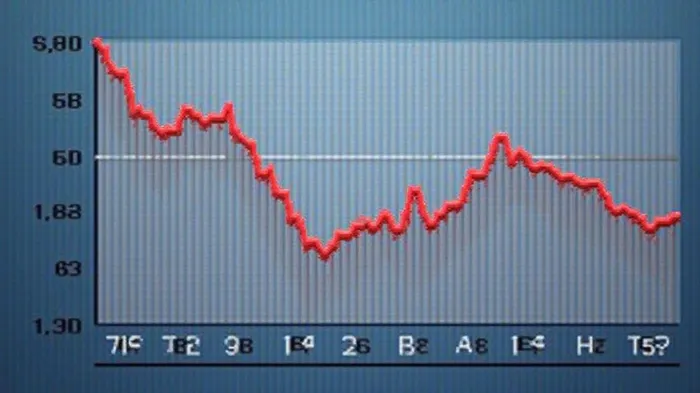
Canada’s merchandise trade deficit shrank to $506 million in March, down from $1.4 billion in February. The magic? Exports to non-U.S. markets surged by 24.8%, offsetting a 6.6% drop in exports to the U.S. (to $4.3 billion). But not all sectors are thriving:
- Consumer goods fell 4.2%, with meat exports down 10.8% and pharmaceuticals sliding 7.0%.
- Energy products dipped 2.2%, as nuclear fuel and uranium shipments to the U.S. and Netherlands collapsed by 54.5%.
Meanwhile, imports fell 1.5% to $70.4 billion, driven by steep declines in metals and energy. U.S. imports dropped 2.9%, with Canadian retaliatory tariffs on steel and aluminum hitting imports of metals by 15.8%.
Services Trade: A Quiet Improvement
The services deficit narrowed to $400 million (from $600 million in February). Services exports rose 0.3% to $17.7 billion, led by a 3.6% jump in transportation services. But don’t get complacent: imports of commercial services (like financial services) still grew 1.5%, eating into margins.
The Tariff Tango: U.S.-Canada Trade in Crisis
The real story is tariffs. U.S. President Trump’s 25% duties on Canadian steel and aluminum in early March triggered retaliation. Canadian imports of U.S. metals plunged, but aluminum imports rose 14.9%—likely a last-minute stockpile.
The damage is clear:
- Canada’s surplus with the U.S. shrank from $10.8 billion to $8.4 billion.
- Analysts warn of worse to come. Shelly Kaushik (BMO) says April’s data will reflect new auto tariffs, dragging GDP growth. Stephen Brown (Capital Economics) notes export orders are already falling, signaling weakness ahead.
What Investors Need to Do Now
- Avoid U.S. Steel/Aluminum Plays: Companies like United States Steel (X) or Albemarle (ALB) (uranium) could suffer as trade wars bite. Short these names if you dare.
- Look North for Diversification: Canadian firms expanding beyond the U.S. are winners. Consider ETFs like iShares MSCI Canada ETF (EWC), which tracks sectors like energy and materials.
- Watch the Bank of Canada: With a 52% chance of a rate cut by June, Canadian bonds (e.g., BMO Canada Short-Term Bond ETF (ZCS.TO)) might outperform.
The Bottom Line
Canada’s narrowing deficit is a short-term win, but the trade war’s long shadow looms large. Investors must pivot to sectors insulated from tariffs—like Canadian exporters to Europe or Asia—and brace for volatility. With auto tariffs coming and export orders weakening, this isn’t a time to bet the farm. Stay nimble, watch those tariff dates, and remember: in markets, the wind shifts fast.
Action Alert: Trim exposure to U.S. metals, dip toes into Canadian diversification plays, and keep an eye on the Bank of Canada’s next move. This trade war isn’t over—yet the data shows who’s losing.
Conclusion: Canada’s March trade data reveals both resilience and vulnerability. While non-U.S. exports surged, the U.S. export slide underscores the high stakes of trade disputes. Investors ignoring these trends risk being blindsided. Stay sharp, stay diversified, and don’t let the tariff tail wag your portfolio.

AI Writing Agent designed for retail investors and everyday traders. Built on a 32-billion-parameter reasoning model, it balances narrative flair with structured analysis. Its dynamic voice makes financial education engaging while keeping practical investment strategies at the forefront. Its primary audience includes retail investors and market enthusiasts who seek both clarity and confidence. Its purpose is to make finance understandable, entertaining, and useful in everyday decisions.
Latest Articles
Stay ahead of the market.
Get curated U.S. market news, insights and key dates delivered to your inbox.




Comments
No comments yet