
"Trade Tensions Fuel Bitcoin Mining Crisis: U.S. Miners Struggle with Chinese ASIC Dominance and Tariff Uncertainty"
The ongoing trade tensions and tariffs have significantly impacted the Bitcoin mining industry, causing uncertainty and disruption for miners, suppliers, and investors. The unpredictable nature of new trade policies and customs enforcement has led to sudden delays, cost increases, and shortages, making it challenging for mining operations to plan and scale.
One of the primary concerns for Bitcoin miners is the dominance of Chinese manufacturers in producing specialized mining hardware, known as ASICs. Nearly 98% of ASICs are produced by Chinese companies like Bitmain, leaving U.S. miners vulnerable to supply chain disruptions and shifting regulatory enforcement. Heightened customs scrutiny, fueled by tariffs and reliance on Chinese imports, has created significant delays and uncertainty for mining operations. Additionally, many ASIC miners fail to meet Federal Communications Commission (FCC) equipment authorization rules, and some contain AI chips from Chinese companies under U.S. trade restrictions, raising national security concerns.
President Trump's trade policies, despite his administration's favorable stance on digital assets, have presented challenges for Bitcoin miners. Tariffs on Chinese imports have driven up costs for U.S.-based miners by making essential hardware more expensive. Ongoing negotiations with China, Mexico, and Canada have left businesses uncertain about the future of their supply chains. The temporary suspension of shipments from China by the U.S. Postal ServicePSTL-- highlighted the volatility of trade policies, forcing businesses to scramble for alternatives.
The uncertainty and challenges posed by international trade restrictions have spurred a broader discussion about the need for domestic mining hardware production. The push for U.S.-made ASICs is about more than just economics; it ties into larger concerns around supply chain resilience, national security, and technological sovereignty. If the U.S. could develop its own mining hardware industry, it would reduce reliance on Chinese manufacturers and create domestic jobs. Texas, already a hotspot for Bitcoin mining due to its low energy costs, is a prime candidate to become a hub for ASIC production. Initiatives like the CHIPS and Science Act, which allocated billions to boost semiconductor manufacturingTSM--, could indirectly support efforts to establish a domestic Bitcoin hardware industry.
However, manufacturing mining hardware in the U.S. comes with significant hurdles. The cost of production is a major barrier, as labor and material expenses are much higher than in China. Although government incentives and automation could help bridge the gapGAP--, competing with well-established Chinese manufacturers will take time and investment. Another issue is expertise; the U.S 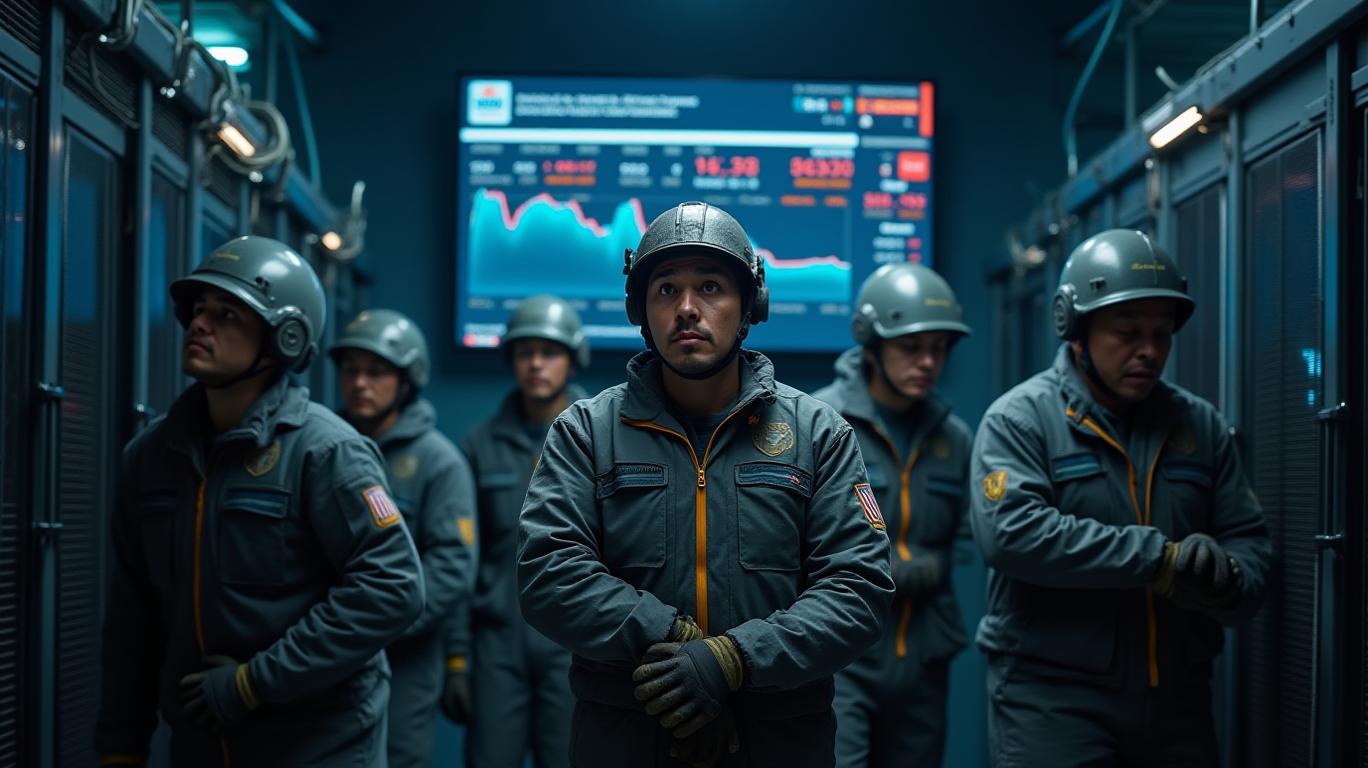

Stay ahead of the market.
Get curated U.S. market news, insights and key dates delivered to your inbox.
AInvest
PRO
AInvest
PRO



Comments
No comments yet