
How to Track Your IRS 2026 Tax Refund: Tools and Timelines Explained
 Aime Summary
. The IRS has eliminated routine paper tax refund checks and now requires direct deposit for faster, more secure refunds. . Taxpayers can use the IRS's 'Where's My Refund?' tool to check real-time updates and projected deposit dates. If refund information is incomplete or rejected, the IRS will freeze the refund and notify taxpayers via CP53E notices, requiring action to proceed.
The IRS 2026 tax filing season is well underway, and millions of Americans are eagerly tracking the status of their refunds. Yet this year's tax landscape comes with unique changes that can impact how quickly you receive your money—and whether it arrives at all. The IRS has made direct deposit mandatory for most refunds, eliminated paper checks, and delayed EITC and ACTC refunds until early March. These changes are designed to speed up processing and reduce fraud, but they also mean taxpayers must be proactive in monitoring their returns. If you're wondering, "Where's my refund?" or "Why is my tax refund delayed?" the answers lie in understanding the new IRS protocols and tools.
Where's My Refund? How to Track Your 2026 IRS Refund Status
. This real-time tracker updates daily and provides estimated deposit dates, including projections for those claiming the EITC or ACTC, 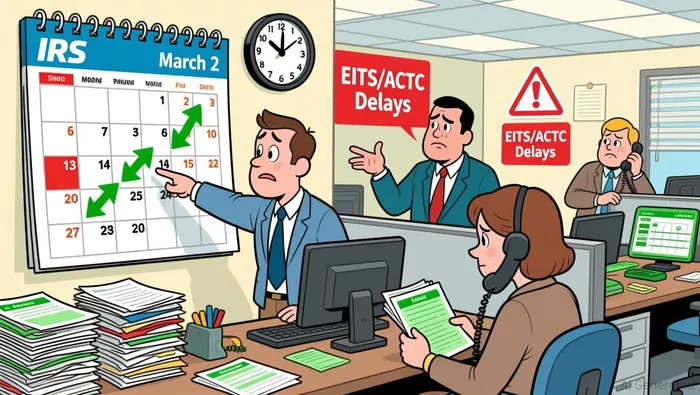 . The IRS also offers the IRS2Go app and an online Individual Taxpayer Account for those who prefer mobile tracking according to IRS updates.
For those who filed paper returns, the IRS recommends waiting at least four weeks before checking the status of their refund, as paper returns take longer to process and may not appear in the tracking tool immediately as noted in IRS guidance. Taxpayers are advised to avoid scheduling large purchases or bill payments based on expected refund dates, as unexpected delays—especially for returns with errors or identity theft issues—can occur according to tax experts.
Why Is the IRS Prioritizing Direct Deposit and E-Filing in 2026?
The IRS has phased out paper tax refund checks and now requires most taxpayers to provide bank routing and account numbers for direct deposit. This change, effective since October 2025, aims to speed up refund processing. , and this year, . For taxpayers who have already filed their returns and have yet to receive their refund, the key takeaway is simple: ensure your bank details are accurate and up to date to avoid delays as reported by financial analysts.
Additionally, the IRS is facing significant staffing challenges, . These changes could lead to longer processing times for returns that require manual review or amendments according to IRS reports. Taxpayers who file electronically and select direct deposit are less likely to experience delays, making these methods the IRS's preferred approach as highlighted by industry sources.
What to Do If Your Refund Is Delayed or Frozen
If your refund is delayed, it could be due to a number of issues, including incomplete or incorrect information, identity theft alerts, or claims for the EITC or ACTC. The IRS will issue a CP53E notice if the direct deposit information is missing or rejected by the bank, as detailed in IRS instructions. If no action is taken, the IRS will issue a paper check after six weeks. Taxpayers are encouraged to respond to these notices promptly to avoid extended delays.
For those who filed paper returns and are experiencing delays, it's important to remember that paper returns may take four to six weeks to process. The IRS recommends that taxpayers wait at least four weeks before checking the status of a paper return in the "Where's My Refund?" tool as advised by the IRS. If your return is selected for review or amendment, it could take even longer, and the IRS may reach out via mail or email to request additional documentation .
Taxpayers who believe they have been unfairly delayed or who have received conflicting information can contact the IRS directly or use the IRS Taxpayer Advocate Service to resolve their concerns as recommended by tax experts.
What to Watch Next
As tax season progresses, the IRS will likely issue more detailed guidance on processing times and refund distribution. Taxpayers should continue to monitor the "Where's My Refund?" tool and ensure all bank and personal information is up to date. If you have yet to file, now is the time to do so—especially if you're claiming the EITC or ACTC, as the IRS has already started processing those refunds and will begin issuing them in March according to IRS announcements.
For now, the key takeaway is clear: e-filing and direct deposit remain the most efficient methods for receiving your refund, and using the IRS's tracking tools can help you stay informed and avoid unnecessary delays.

Stay ahead of the market.
Get curated U.S. market news, insights and key dates delivered to your inbox.


AInvest
PRO
AInvest
PRO



Comments
No comments yet