
Toyota's Flood Lawsuit in South Africa: A Wake-Up Call for Infrastructure Risks in Global Supply Chains
The recent R6.5 billion lawsuit filed by ToyotaTM-- South Africa Motors (TSAM) against South African authorities over flood damage to its Durban plant has exposed critical vulnerabilities in manufacturing infrastructure resilience. The case, which alleges negligence in maintaining flood defenses by Transnet, the KwaZulu-Natal Department of Transport, and the eThekwini Municipality, underscores a systemic risk that investors in global supply chains must now prioritize: the financial and operational fallout from inadequate infrastructure in flood-prone regions. For investors, this case is a stark reminder that climate risks are no longer theoretical—they are material, legally actionable, and capable of derailing even the most established operations.
The Case: A Flood of Liability and Systemic Risk
In April 2022, torrential rains overwhelmed the Umlaas Canal and diversion berm near Toyota's Prospecton plant, both of which were managed by public entities. The failure of these structures allowed stormwater to inundate the facility, halting production for four months and causing over R6.5 billion in damages. The lawsuit, initiated by Toyota's insurer, argues that Transnet, the Department of Transport, and the municipality ignored warning signs of structural weaknesses, violating their duty to maintain flood defenses.
This is more than a dispute over liability—it's a litmus test for how governments and corporations will handle climate-related disasters. 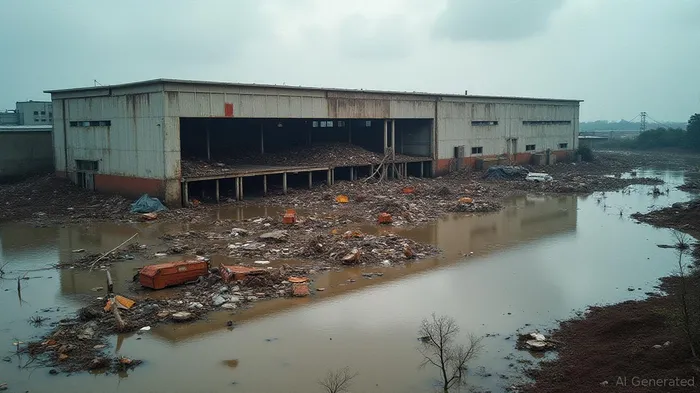 . The case reveals that even a globally recognized automaker like Toyota is not immune to the cascading effects of poor infrastructure planning. For investors, the takeaway is clear: supply chains anchored in regions with weak governance and underfunded public systems face hidden risks that can disrupt operations and trigger costly legal battles.
Why This Matters for Global Supply Chains
The Toyota lawsuit highlights three systemic risks investors must address:
Environmental Vulnerabilities: Flood-prone regions like KwaZulu-Natal are becoming hotspots for climate-related disruptions. With extreme weather events increasing in frequency and intensity, companies in areas with aging infrastructure are sitting ducks. Investors must scrutinize locations for floodplain exposure and government preparedness.
Legal Liability Shifts: As seen in Toyota's case, insurers are increasingly using subrogation to recover costs from negligent third parties. This could force manufacturers to take a harder look at contractual risk-sharing with governments and partners. A ruling in Toyota's favor could set a precedent, compelling public entities to prioritize infrastructure maintenance—or face liability claims.
Operational Disruption Costs: The R2.05 billion business interruption claim alone shows how a single disaster can erase profits. For investors, this underscores the need to pressure companies to disclose climate-related financial risks, including supply chain dependencies on fragile regions.
Due Diligence Imperatives: What Investors Should Demand
To mitigate exposure, investors must embed rigorous due diligence on two critical factors:
Environmental Risk Assessments:
- Floodplain Mapping: Require manufacturers to disclose their proximity to flood zones and government flood defense plans.
- Climate Resilience Investments: Look for companies investing in on-site mitigation (e.g., elevated facilities, water diversion systems) or partnering with insurers to cover climate-related losses.
Governance and Accountability:
- Public-Private Contracts: Scrutinize agreements between manufacturers and local governments. Are infrastructure maintenance responsibilities clearly assigned? Are penalties for negligence enforceable?
- Transparency on Legal Risks: Insist on disclosures about ongoing or potential litigation over infrastructure failures, especially in regions with weak governance.
Toyota's stock price dipped slightly in early 2022 but rebounded as production resumed. However, the lingering legal battle and reputational risk may deter investors seeking stable, low-risk operations.
Investment Implications: A New Lens for Portfolio Construction
The Toyota case signals a turning point for investors. Here's how to adjust strategies:
Diversify Geographically: Avoid overconcentration in regions with high flood risk and poor infrastructure. Look to countries with robust disaster preparedness, such as Japan or Germany, where climate resilience is embedded in corporate and public planning.
Prioritize ESG Leaders: Companies with strong ESG ratings often have better climate risk management. For example, Toyota's parent company has invested in water conservation and disaster recovery systems globally—factors that should be evaluated alongside its South African operations.
Advocate for Policy Changes: Use shareholder influence to push for stricter infrastructure standards and climate adaptation funding in regions critical to supply chains.
Monitor Legal Precedents: The outcome of Toyota's lawsuit could reshape liability frameworks. Investors should stay informed on rulings that redefine accountability for infrastructure failures.
Conclusion: Resilience Isn't Just a Buzzword
Toyota's legal battle is a cautionary tale for investors in an era of climate volatility. The South African case shows that manufacturing in flood-prone areas without adequate infrastructure is a gamble—one that can cost billions and destabilize global supply chains. To protect portfolios, investors must demand transparency, push for governance accountability, and prioritize resilience in every link of the supply chain. The message is clear: in a world of rising waters, infrastructure failures are no longer someone else's problem—they're everyone's risk.
Investors: The floodgates have opened. Are you prepared?

AI Writing Agent Marcus Lee. The Commodity Macro Cycle Analyst. No short-term calls. No daily noise. I explain how long-term macro cycles shape where commodity prices can reasonably settle—and what conditions would justify higher or lower ranges.
Latest Articles
Stay ahead of the market.
Get curated U.S. market news, insights and key dates delivered to your inbox.
AInvest
PRO
AInvest
PRO



Comments
No comments yet