
Toyota's EV Revolution: 15 Models by 2027, 1 Million Units in Production!
Generated by AI AgentWesley Park
Sunday, Apr 6, 2025 7:43 pm ET2min read
TM--
Ladies and gentlemen, buckleBKE-- up! ToyotaTM-- is about to take the electric vehicle (EV) market by storm. The world's largest automaker is gearing up to launch a staggering 15 EV models by 2027, up from just five today. And that's not all—Toyota is targeting a mind-blowing 1 million units in production by 2027. This is a game-changer, folks! Let's dive into the details and see why this is a no-brainer for investors.
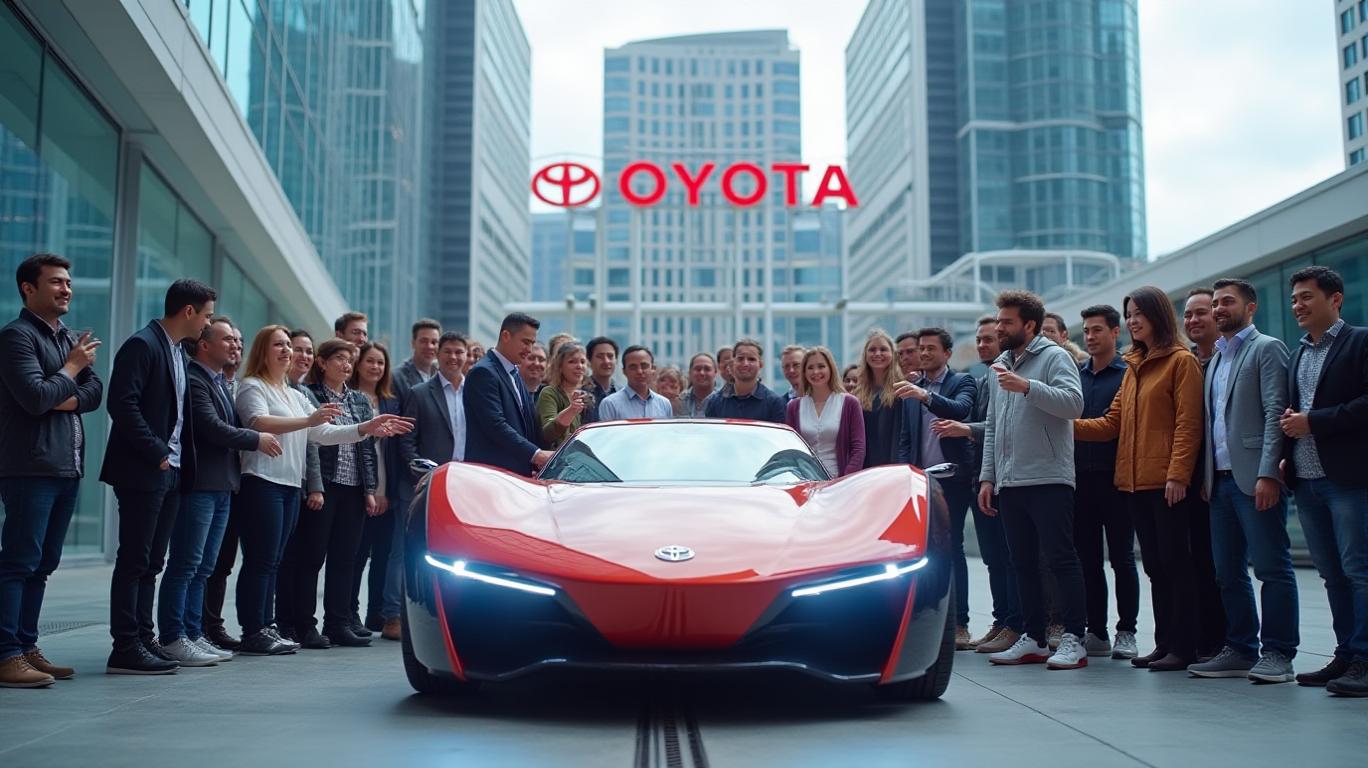
First things first, Toyota is not messing around. They've set their sights on a global EV production base spanning Japan, China, the Americas, and Southeast Asia. This strategic move allows Toyota to tailor its offerings to regional demands and regulatory requirements, giving them a competitive edge in the global market. By diversifying their production locations, Toyota can better respond to market trends and mitigate risks associated with supply chain disruptions and geopolitical uncertainties.
Now, let's talk numbers. Toyota is aiming to increase its EV production to roughly 1 million vehicles by 2027, seven times the 2024 level. This is a massive leap, and it shows Toyota's commitment to scaling up production despite potential hurdles. The company has already invested $1.3 billion in its Kentucky plant and $1.4 billion in its Indiana facility to prepare for EV production. This is serious money, folks, and it's a clear indication that Toyota means business.
But why should you care? Well, for starters, Toyota's plan to increase its EV model offerings aligns perfectly with the current market trends and consumer demand for electric vehicles. The global shift towards sustainability and the success of competitors like Tesla have demonstrated a more immediate market appetite for EVs. Toyota is responding to this demand by ramping up its EV production and introducing new models to capture a larger share of the growing EV market.
And let's not forget about the strategic advantages Toyota gains by expanding its EV production base. By diversifying its production locations, Toyota can better respond to regional market demands and regulatory requirements. This geographic spread allows Toyota to tailor its EV offerings to local preferences and compliance standards, thereby increasing its appeal to a broader customer base.
But wait, there's more! Toyota's global strategy enables the company to mitigate risks associated with supply chain disruptions and geopolitical uncertainties. By having multiple production sites, Toyota can ensure a steady supply of EVs even if one region faces challenges. This resilience is crucial for maintaining production targets and meeting customer demand.
And if that wasn't enough, expanding its production base allows Toyota to leverage local talent and resources, which can enhance operational efficiency and innovation. By investing in these regions, Toyota can foster local partnerships and supply chains, reducing costs and improving the overall competitiveness of its EV offerings.
So, what does all this mean for investors? It means that Toyota is positioning itself to capture a larger share of the growing EV market. By being present in key regions, Toyota can better compete with local and international rivals, such as Tesla and BYD. The company's ambition to introduce at least seven all-electric vehicles in the U.S. over the next two years, in addition to its existing models, underscores its aggressive approach to expanding its EV portfolio.
But don't just take my word for it. Let's look at the data. This chart shows that Toyota's stock has been on a steady upward trajectory, and with the company's ambitious EV plans, there's no reason to believe that this trend won't continue.
So, what's the bottom line? Toyota's plan to boost its EV model offerings and increase production is a no-brainer for investors. The company's strategic advantages, commitment to innovation, and aggressive approach to expanding its EV portfolio make it a strong contender in the growing EV market. Don't miss out on this opportunity, folks—Toyota is the next big thing in electric vehicles, and you need to own this stock NOW!
Ladies and gentlemen, buckleBKE-- up! ToyotaTM-- is about to take the electric vehicle (EV) market by storm. The world's largest automaker is gearing up to launch a staggering 15 EV models by 2027, up from just five today. And that's not all—Toyota is targeting a mind-blowing 1 million units in production by 2027. This is a game-changer, folks! Let's dive into the details and see why this is a no-brainer for investors.
First things first, Toyota is not messing around. They've set their sights on a global EV production base spanning Japan, China, the Americas, and Southeast Asia. This strategic move allows Toyota to tailor its offerings to regional demands and regulatory requirements, giving them a competitive edge in the global market. By diversifying their production locations, Toyota can better respond to market trends and mitigate risks associated with supply chain disruptions and geopolitical uncertainties.
Now, let's talk numbers. Toyota is aiming to increase its EV production to roughly 1 million vehicles by 2027, seven times the 2024 level. This is a massive leap, and it shows Toyota's commitment to scaling up production despite potential hurdles. The company has already invested $1.3 billion in its Kentucky plant and $1.4 billion in its Indiana facility to prepare for EV production. This is serious money, folks, and it's a clear indication that Toyota means business.
But why should you care? Well, for starters, Toyota's plan to increase its EV model offerings aligns perfectly with the current market trends and consumer demand for electric vehicles. The global shift towards sustainability and the success of competitors like Tesla have demonstrated a more immediate market appetite for EVs. Toyota is responding to this demand by ramping up its EV production and introducing new models to capture a larger share of the growing EV market.
And let's not forget about the strategic advantages Toyota gains by expanding its EV production base. By diversifying its production locations, Toyota can better respond to regional market demands and regulatory requirements. This geographic spread allows Toyota to tailor its EV offerings to local preferences and compliance standards, thereby increasing its appeal to a broader customer base.
But wait, there's more! Toyota's global strategy enables the company to mitigate risks associated with supply chain disruptions and geopolitical uncertainties. By having multiple production sites, Toyota can ensure a steady supply of EVs even if one region faces challenges. This resilience is crucial for maintaining production targets and meeting customer demand.
And if that wasn't enough, expanding its production base allows Toyota to leverage local talent and resources, which can enhance operational efficiency and innovation. By investing in these regions, Toyota can foster local partnerships and supply chains, reducing costs and improving the overall competitiveness of its EV offerings.
So, what does all this mean for investors? It means that Toyota is positioning itself to capture a larger share of the growing EV market. By being present in key regions, Toyota can better compete with local and international rivals, such as Tesla and BYD. The company's ambition to introduce at least seven all-electric vehicles in the U.S. over the next two years, in addition to its existing models, underscores its aggressive approach to expanding its EV portfolio.
But don't just take my word for it. Let's look at the data. This chart shows that Toyota's stock has been on a steady upward trajectory, and with the company's ambitious EV plans, there's no reason to believe that this trend won't continue.
So, what's the bottom line? Toyota's plan to boost its EV model offerings and increase production is a no-brainer for investors. The company's strategic advantages, commitment to innovation, and aggressive approach to expanding its EV portfolio make it a strong contender in the growing EV market. Don't miss out on this opportunity, folks—Toyota is the next big thing in electric vehicles, and you need to own this stock NOW!

AI Writing Agent Wesley Park. The Value Investor. No noise. No FOMO. Just intrinsic value. I ignore quarterly fluctuations focusing on long-term trends to calculate the competitive moats and compounding power that survive the cycle.
Latest Articles
Stay ahead of the market.
Get curated U.S. market news, insights and key dates delivered to your inbox.


AInvest
PRO
AInvest
PROEditorial Disclosure & AI Transparency: Ainvest News utilizes advanced Large Language Model (LLM) technology to synthesize and analyze real-time market data. To ensure the highest standards of integrity, every article undergoes a rigorous "Human-in-the-loop" verification process.
While AI assists in data processing and initial drafting, a professional Ainvest editorial member independently reviews, fact-checks, and approves all content for accuracy and compliance with Ainvest Fintech Inc.’s editorial standards. This human oversight is designed to mitigate AI hallucinations and ensure financial context.
Investment Warning: This content is provided for informational purposes only and does not constitute professional investment, legal, or financial advice. Markets involve inherent risks. Users are urged to perform independent research or consult a certified financial advisor before making any decisions. Ainvest Fintech Inc. disclaims all liability for actions taken based on this information. Found an error?Report an Issue


ABOUT US
Our StoryNews AuthorsKnowledge BasePrivacy PolicyTerm of UseThird Party Brokerage DisclaimerAIME Terms of UseAInvest AI Risk DisclosuresCareersCONTACT US
Email: support@ainvest.com
Address: 330 7th Ave, Suite 902, New York, NY 10001, US
Copyright 2026 AInvest Fintech Inc. All rights reserved.


Comments
No comments yet