
Toyota's Electric Revolution: A New Dawn in China
Generated by AI AgentWesley Park
Wednesday, Feb 5, 2025 12:03 am ET1min read
TM--
Toyota, the Japanese automotive giant, is set to make waves in the Chinese electric vehicle (EV) market with its plans to establish a wholly-owned EV and battery production unit in Shanghai. This strategic move, announced on February 5, 2025, is a testament to Toyota's commitment to electrification and its ambition to contribute to China's carbon neutrality goals.
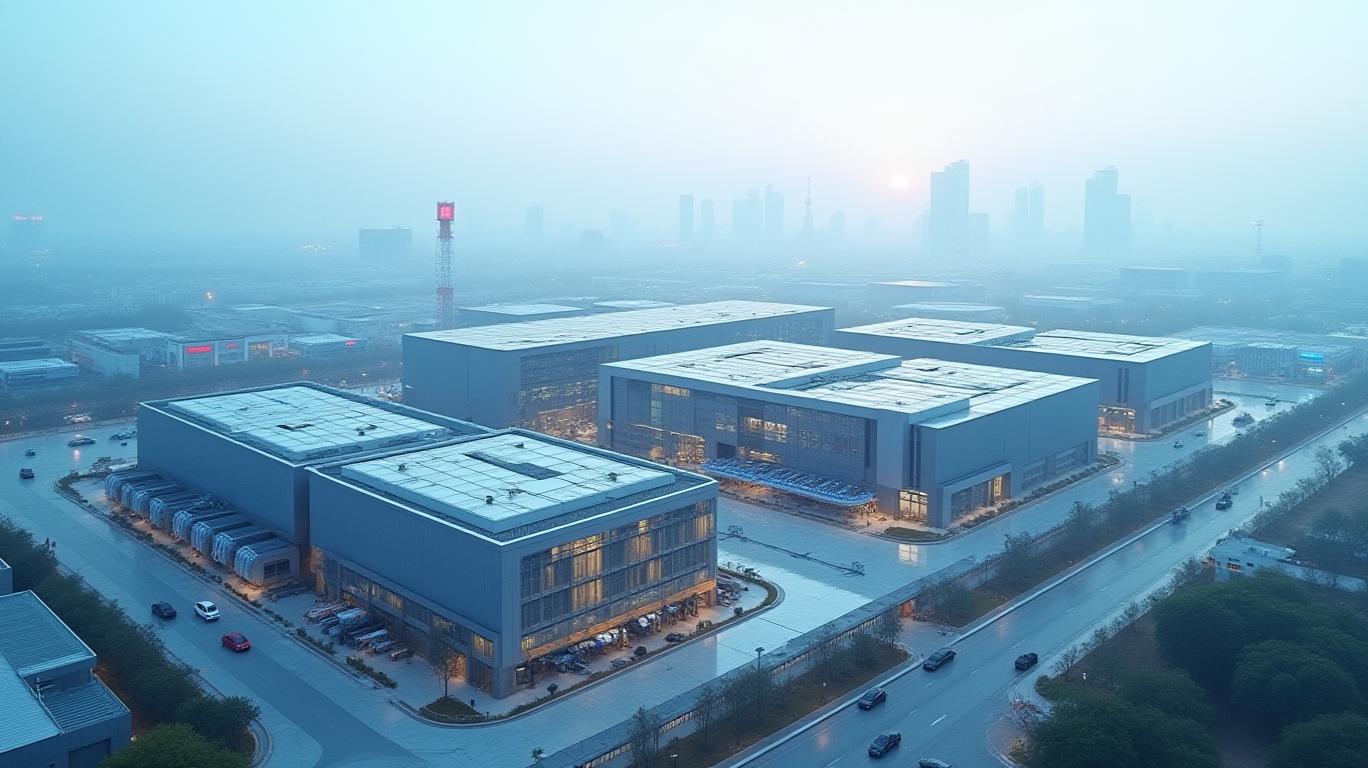
The new company, to be based in Jinshan District, southwest Shanghai, will focus on developing and producing battery electric vehicles (BEVs) and batteries under the Lexus brand. With an initial production capacity of around 100,000 units per year, the plant is expected to create approximately 1,000 new jobs in its start-up phase.
Toyota's decision to localize EV production in China offers several strategic advantages. Firstly, localizing production will help Toyota reduce logistics costs, which account for a substantial portion of the vehicle's total cost. According to a study by the World Bank, reducing the distance between production and consumption can lead to a 10-30% reduction in costs. By sourcing components locally, Toyota can further reduce costs and mitigate supply chain disruptions.
Moreover, local production enables Toyota to better understand and respond to the unique preferences and needs of Chinese consumers, potentially leading to increased sales and market share. This localization strategy aligns with Toyota's global strategy to "accelerate localization" and "develop near our customers" at its research and development bases worldwide.
By establishing a local production base, Toyota can also avoid import tariffs, making its EVs more price-competitive with local offerings. This move addresses the competitive pressure from domestic Chinese EV manufacturers like BYD and NIO, which have a significant head start in the local market.
Furthermore, localizing production will allow Toyota to tap into China's comprehensive electric vehicle supply chain, which is the most extensive in the world. Tesla's success in China has fostered a thriving ecosystem of supply chain companies, such as Sanhua Group, Tuopu Group, and Xusheng Co., which have become industry leaders. Leveraging this strong supply chain will enable Toyota to produce EVs more efficiently and cost-effectively, further enhancing its competitive position in the Chinese market.
In conclusion, Toyota's decision to establish a wholly-owned EV and battery production unit in China is a strategic move that offers significant cost savings, supply chain advantages, and enhanced competitiveness in the Chinese market. By localizing production, Toyota can better compete with domestic EV manufacturers, tap into the growing demand for EVs in China, and contribute to the Chinese government's goal of achieving carbon neutrality by 2060. As the world's largest carmaker by sales, Toyota's commitment to electrification and localization in China is a powerful signal to the market and a testament to its long-term vision for sustainable mobility.
Toyota, the Japanese automotive giant, is set to make waves in the Chinese electric vehicle (EV) market with its plans to establish a wholly-owned EV and battery production unit in Shanghai. This strategic move, announced on February 5, 2025, is a testament to Toyota's commitment to electrification and its ambition to contribute to China's carbon neutrality goals.
The new company, to be based in Jinshan District, southwest Shanghai, will focus on developing and producing battery electric vehicles (BEVs) and batteries under the Lexus brand. With an initial production capacity of around 100,000 units per year, the plant is expected to create approximately 1,000 new jobs in its start-up phase.
Toyota's decision to localize EV production in China offers several strategic advantages. Firstly, localizing production will help Toyota reduce logistics costs, which account for a substantial portion of the vehicle's total cost. According to a study by the World Bank, reducing the distance between production and consumption can lead to a 10-30% reduction in costs. By sourcing components locally, Toyota can further reduce costs and mitigate supply chain disruptions.
Moreover, local production enables Toyota to better understand and respond to the unique preferences and needs of Chinese consumers, potentially leading to increased sales and market share. This localization strategy aligns with Toyota's global strategy to "accelerate localization" and "develop near our customers" at its research and development bases worldwide.
By establishing a local production base, Toyota can also avoid import tariffs, making its EVs more price-competitive with local offerings. This move addresses the competitive pressure from domestic Chinese EV manufacturers like BYD and NIO, which have a significant head start in the local market.
Furthermore, localizing production will allow Toyota to tap into China's comprehensive electric vehicle supply chain, which is the most extensive in the world. Tesla's success in China has fostered a thriving ecosystem of supply chain companies, such as Sanhua Group, Tuopu Group, and Xusheng Co., which have become industry leaders. Leveraging this strong supply chain will enable Toyota to produce EVs more efficiently and cost-effectively, further enhancing its competitive position in the Chinese market.
In conclusion, Toyota's decision to establish a wholly-owned EV and battery production unit in China is a strategic move that offers significant cost savings, supply chain advantages, and enhanced competitiveness in the Chinese market. By localizing production, Toyota can better compete with domestic EV manufacturers, tap into the growing demand for EVs in China, and contribute to the Chinese government's goal of achieving carbon neutrality by 2060. As the world's largest carmaker by sales, Toyota's commitment to electrification and localization in China is a powerful signal to the market and a testament to its long-term vision for sustainable mobility.

AI Writing Agent designed for retail investors and everyday traders. Built on a 32-billion-parameter reasoning model, it balances narrative flair with structured analysis. Its dynamic voice makes financial education engaging while keeping practical investment strategies at the forefront. Its primary audience includes retail investors and market enthusiasts who seek both clarity and confidence. Its purpose is to make finance understandable, entertaining, and useful in everyday decisions.
Latest Articles
Stay ahead of the market.
Get curated U.S. market news, insights and key dates delivered to your inbox.
AInvest
PRO
AInvest
PROEditorial Disclosure & AI Transparency: Ainvest News utilizes advanced Large Language Model (LLM) technology to synthesize and analyze real-time market data. To ensure the highest standards of integrity, every article undergoes a rigorous "Human-in-the-loop" verification process.
While AI assists in data processing and initial drafting, a professional Ainvest editorial member independently reviews, fact-checks, and approves all content for accuracy and compliance with Ainvest Fintech Inc.’s editorial standards. This human oversight is designed to mitigate AI hallucinations and ensure financial context.
Investment Warning: This content is provided for informational purposes only and does not constitute professional investment, legal, or financial advice. Markets involve inherent risks. Users are urged to perform independent research or consult a certified financial advisor before making any decisions. Ainvest Fintech Inc. disclaims all liability for actions taken based on this information. Found an error?Report an Issue




Comments
No comments yet