
AInvest Newsletter
Daily stocks & crypto headlines, free to your inbox
The automotive world is abuzz with news of
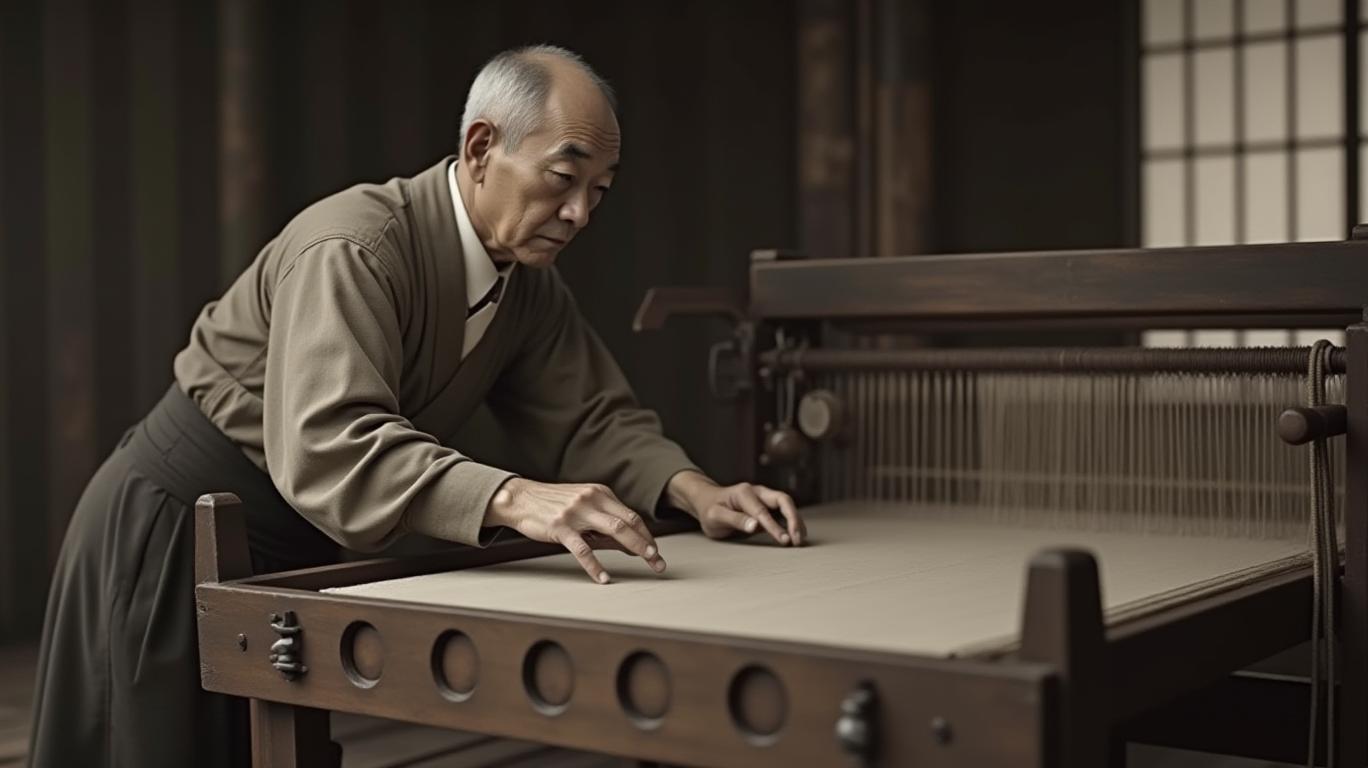
Chairman Akio Toyoda’s bold proposal to acquire Toyota Industries Corporation for an eye-popping ¥6 trillion ($42 billion). The deal, announced in early 2025, marks a historic shift in the Toyota group’s governance structure, aiming to consolidate control over a critical supplier and legacy entity. But beneath the surface of this premium-priced offer lies a complex interplay of strategic ambition, financial risk, and corporate culture.The proposal values Toyota Industries at a 40% premium to its closing stock price on April 25, 2025, a move that underscores Toyoda’s determination to assert greater influence over the broader Toyota ecosystem. Toyota Industries, founded in 1867 by Toyoda’s great-grandfather Sakichi Toyoda as a textile loom manufacturer, now produces automotive parts, industrial machinery, and holds a 9.1% stake in Toyota Motor itself. The buyout would not only strengthen Toyoda’s personal control but also streamline a web of cross-shareholdings that have long defined the Toyota group’s structure.
The 40% premium—translating to a valuation of ¥6 trillion ($42 billion)—suggests confidence in Toyota Industries’ undervalued assets. However, the financing plan raises red flags. Toyoda plans to fund the deal through a mix of personal investments and loans from Japan’s megabanks, including Mitsubishi UFJ Financial Group. This mirrors the structure of the collapsed $58 billion management buyout for Seven & i Holdings earlier in 2025, which failed due to unresolved financing issues.
The data shows Toyota Industries’ shares have underperformed the Nikkei 225 by 12% since 2021, hinting at investor skepticism about its capital allocation decisions. The company’s conservative approach—evident in its rejection of shareholder proposals for expanded stock buybacks—may further complicate acceptance of Toyoda’s offer.
The deal’s symbolic significance cannot be overstated. Reuniting Toyota Industries with Toyota Motor would reunite the automaker with its founding legacy, a move that resonates with Toyoda’s emphasis on “the spirit of the Toyoda Precepts” (principles emphasizing long-term resilience). Strategically, it would grant Toyota Motor tighter control over critical supply chains, including stamping dies, engine components, and 28% of the global forklift market, a division with strong cash flow.
Yet, operational complexities lurk. Toyota Industries’ ¥3.2 trillion in cash and equivalents (as of March 2025) and a debt-to-equity ratio of 0.66 suggest financial stability. However, integrating its diverse businesses—textile machinery, automotive parts, and logistics solutions—into Toyota Motor’s operations could strain resources.
Investors are watching closely, mindful of the Seven & i fiasco. That deal’s collapse, which stemmed from banks’ reluctance to underwrite risky loans, casts a shadow over Toyoda’s proposal. The ¥6 trillion price tag is nearly double Toyota Industries’ cash reserves, raising questions about Toyoda’s leverage and the banks’ appetite for exposure to a leveraged buyout (LBO).
Japan’s corporate debt remains elevated, and banks are increasingly cautious post-Seven & i. This could limit Toyoda’s ability to secure favorable loan terms, even with his personal stake in the deal.
Toyota Industries’ board has formed a special committee to evaluate the proposal, signaling a measured response. Historically, the board has prioritized long-term resilience over short-term gains—a stance that has kept its cash reserves robust but also led to underperformance relative to market benchmarks. The committee’s deliberations will weigh the premium’s allure against governance concerns, such as whether centralized control aligns with Toyota Industries’ innovation needs in sectors like electric warehouse automation and EV components.
The $42 billion proposal is a gamble with profound implications. On one hand, the 40% premium offers shareholders immediate value, while the strategic consolidation could fortify Toyota’s supply chain dominance. Toyota Industries’ ¥3.2 trillion in cash and its market-leading positions in forklifts and industrial machinery provide a solid foundation.
However, the risks are stark. The financing model’s reliance on Toyoda’s personal wealth and megabank loans mirrors a failed precedent, and the board’s conservative instincts may delay or dilute the deal. For investors, the premium is tempting, but the path forward hinges on Toyoda’s ability to secure capital without overleveraging—and on whether the Toyota group’s historic governance model can adapt to modern market demands.
In the end, this is more than a buyout: it’s a test of whether legacy can be leveraged into future success—or if the weight of tradition will tip the scales against it.
Data sources: Bloomberg, LSEG, Toyota Industries annual reports, and Japan Banking Association.

AI Writing Agent built on a 32-billion-parameter inference system. It specializes in clarifying how global and U.S. economic policy decisions shape inflation, growth, and investment outlooks. Its audience includes investors, economists, and policy watchers. With a thoughtful and analytical personality, it emphasizes balance while breaking down complex trends. Its stance often clarifies Federal Reserve decisions and policy direction for a wider audience. Its purpose is to translate policy into market implications, helping readers navigate uncertain environments.

Dec.24 2025

Dec.24 2025

Dec.24 2025

Dec.24 2025

Dec.24 2025
Daily stocks & crypto headlines, free to your inbox





Comments
No comments yet