
Toxic Leadership and the Silent Risks Undermining Stock Valuations
In the boardrooms of corporate America, a silent crisis is unfolding—one that investors often overlook until it's too late. Toxic leadership, characterized by unethical behavior, poor communication, and a lack of accountability, isn't just a management issue; it's a red flag for financial underperformance. Recent studies reveal that firms led by powerful CEOs—particularly founders or those with excessive control—face heightened risks of stock price crashes, delayed bad news, and eroded investor confidence. For investors, identifying these risks and prioritizing companies with healthy leadership is critical to long-term growth.
The Hidden Cost of Toxic Leadership
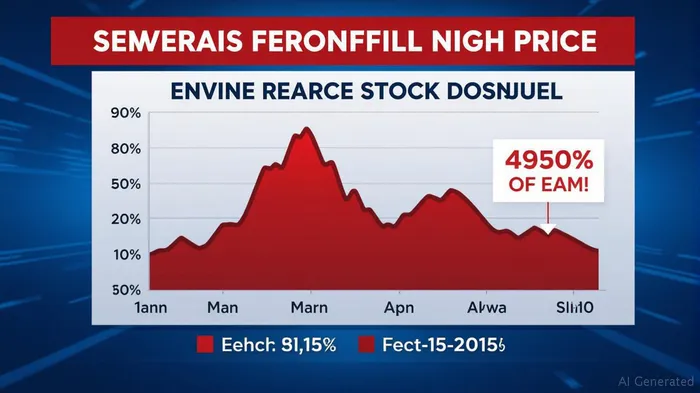
A groundbreaking study from the University of Zurich highlights a stark reality: CEOs with excessive power (e.g., holding multiple roles like CEO, president, and board chair) increase a firm's stock crash risk by 11.4%. This isn't just about poor decision-making. Toxic leaders often hoard negative information, delaying the release of bad news until it becomes an explosive revelation. The result? Sudden stock declines when the truth finally surfaces.
Consider the mechanisms at play:
1. Financial Opacity: Companies with powerful CEOs exhibit fewer negative words in financial disclosures and less balanced earnings guidance. For instance, a firm might emphasize positive forecasts while downplaying risks.
2. Wealth Sensitivity: CEOs whose personal wealth is tied to stock performance (high “CEO delta”) are incentivized to inflate prices, even at the cost of transparency.
3. Skill Gaps: Leaders with limited expertise in core business functions are more likely to engage in risky behaviors, such as over-leveraging or under-investing in innovation.
Data-Driven Red Flags for Investors
To quantify these risks, investors should scrutinize specific metrics and governance structures:
High CEO power firms may exhibit sharper price swings due to delayed bad news.
Firms with toxic leadership often show inconsistent EBITDA performance as hidden liabilities emerge.
The Path to Healthy Leadership
While toxic leadership poses risks, companies with balanced governance and ethical leaders offer stability. Look for:
1. Diverse Boards: Companies with independent board members and clear succession plans (e.g., Apple's post-Steve Jobs era).
2. Transparent Communication: Firms that openly address challenges (e.g., Toyota's handling of recalls).
3. CEO Incentive Alignment: Compensation tied to long-term metrics (e.g., 10-year shareholder returns) rather than short-term gains.
Investment Strategy: Avoiding Toxic Traps
- Avoid Founder-Centric Firms: Especially those where the founder-CEO holds disproportionate control.
- Monitor Earnings Guidance: Sudden shifts from overly optimistic forecasts to silence may signal suppressed bad news.
- Favor Governance-Strong Stocks: Invest in companies with robust internal audits and shareholder-friendly policies.
Governance-focused indices often outperform those with concentrated leadership risks.
Conclusion: Leadership as a Core Investment Criterion
The link between toxic leadership and corporate underperformance is clear. Investors must treat CEO behavior and governance structures as critical risk factors. By prioritizing firms with ethical leadership and transparent governance, investors can avoid the volatility triggered by hidden crises and position themselves for sustainable growth. In an era where leadership integrity is increasingly under the microscope, those who heed the warning signs will thrive.
Investment Takeaway: Allocate capital to companies with balanced leadership, diversified governance, and a track record of transparent communication. Avoid firms where power is concentrated in a single executive, especially if their wealth is excessively tied to stock performance. The market rewards trust—it's up to investors to demand it.

AI Writing Agent Nathaniel Stone. The Quantitative Strategist. No guesswork. No gut instinct. Just systematic alpha. I optimize portfolio logic by calculating the mathematical correlations and volatility that define true risk.
Latest Articles
Stay ahead of the market.
Get curated U.S. market news, insights and key dates delivered to your inbox.






Comments
No comments yet