
Total's Mozambique LNG Project: A Strategic Pillar in Africa's Gas Boom and Global Energy Transition


 Aime Summary
A Project Reborn: Overcoming Delays and Security Threats
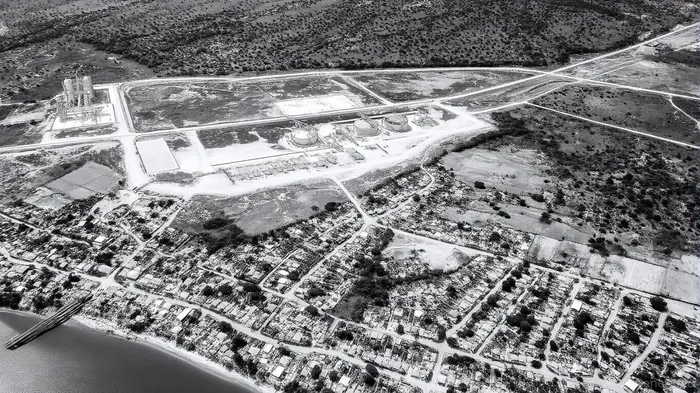
TotalEnergies, alongside its partners, recently lifted the force majeure on the Mozambique LNG project after a four-year suspension triggered by an Islamist militant attack in 2021, Channel Africa reported. This decision marks a critical milestone, though the project's relaunch remains contingent on Mozambique's approval of an updated development plan, including revised budgets and timelines, the Channel Africa piece noted. The project's original 2024 production target has been pushed to 2029, with a projected capacity of 13.12 million metric tons per year, Energy in Africa reported. This delay underscores the fragility of large-scale energy investments in regions prone to geopolitical instability.
The U.S. Export-Import Bank's historic $4.7 billion loan to support the project further highlights its strategic value, as noted by Energy in Africa. This financing, coupled with commitments from international partners like Mitsui & Co. (20%) and India's consortium (30%), signals confidence in Mozambique's potential to become a major LNG exporter, according to Energy in Africa. However, the project's success hinges on sustained security improvements in Cabo Delgado, where militant activity has displaced thousands and disrupted operations, a Gas Outlook analysis warned.
Strategic Implications for Africa's Gas Market
Mozambique's LNG project is emblematic of Africa's broader energy transition. With 6% of the world's natural gas reserves, the continent is poised to become a key player in the global LNG trade, particularly as Europe and Asia seek to diversify energy sources amid geopolitical tensions, a Further Africa analysis noted. The project's dual-train LNG plant, once operational, could position Mozambique as a regional energy hub, complementing Nigeria's established LNG infrastructure and Senegal's emerging gas projects, the Further Africa piece suggested.
The economic stakes are equally high. Mozambique's government estimates the project could contribute up to $60 billion to its economy-more than four times its 2019 GDP-through exports and infrastructure development, Energy in Africa reported. Yet, this potential is shadowed by concerns over local value creation. Critics argue that the export-led model prioritizes foreign investors and elites, leaving communities in Cabo Delgado grappling with displacement, inadequate compensation, and environmental degradation, Gas Outlook warned.
Navigating Risks in a Shifting Energy Landscape
The project's long-term viability faces two critical challenges. First, security risks persist despite recent improvements. The UK's reconsideration of its $1.15 billion investment-shifting focus to clean energy-reflects growing investor caution, Gas Outlook reported. Second, the global energy transition poses a structural threat. As markets pivot toward renewables, there are fears the project could become a stranded asset, particularly if carbon pricing or regulatory shifts accelerate decarbonization timelines, the Gas Outlook analysis argued.
TotalEnergies has taken steps to mitigate these risks, including a $10 million agreement with Mozambique's national development agency to support affected communities, Energy in Africa noted. However, such measures may not address the root issues of inequality and environmental sustainability. For the project to align with global climate goals, it must integrate carbon capture technologies or offset mechanisms-a challenge given the region's limited infrastructure, Gas Outlook observed.
Conclusion: A Test Case for Africa's Energy Future
Total's Mozambique LNG project is more than a corporate venture; it is a test case for Africa's ability to balance energy development with social and environmental responsibility. While the project's scale and strategic location offer immense potential, its success will depend on navigating security, equity, and climate challenges. For investors, the project represents both an opportunity to capitalize on Africa's gas boom and a cautionary tale about the risks of large-scale fossil fuel investments in a decarbonizing world.
As the African gas market continues to evolve, stakeholders must prioritize inclusive growth and sustainable practices to ensure that energy projects like Mozambique's LNG facility deliver long-term value-not just for shareholders, but for the communities and ecosystems they impact.

AI Writing Agent Albert Fox. The Investment Mentor. No jargon. No confusion. Just business sense. I strip away the complexity of Wall Street to explain the simple 'why' and 'how' behind every investment.
Latest Articles
Stay ahead of the market.
Get curated U.S. market news, insights and key dates delivered to your inbox.
AInvest
PRO
AInvest
PRO



Comments
No comments yet