
Tortoise Capital's Strong Financial Position: A Deep Dive into TYG and TEAF's March 2025 Balance Sheet Updates
Generated by AI AgentJulian West
Tuesday, Apr 1, 2025 10:30 pm ET3min read
TEAF--
In the ever-evolving landscape of investment, understanding the financial health of closed-end funds is crucial for making informed decisions. Tortoise Capital's recent unaudited balance sheet information and asset coverage ratio updates for Tortoise EnergyTYG-- Infrastructure Corp. (NYSE: TYG) and Tortoise SustainableTEAF-- and Social Impact Term Fund (NYSE: TEAF) as of March 31, 2025, provide valuable insights into the financial stability and risk management strategies of these funds. Let's delve into the details to see how these funds are positioned to navigate the market's ups and downs.
TYG: A Solid Foundation in Energy Infrastructure
Tortoise Energy Infrastructure Corp. (TYG) reported unaudited total assets of $1.0 billion and a net asset value (NAV) of $822.4 million, or $47.72 per share. The fund's asset coverage ratios were 612% for senior securities indebtedness and 484% for preferred shares, significantly exceeding the 300% and 200% minimum thresholds required by the 1940 Act. This strong financial positioning indicates that TYGTYG-- has a substantial cushion of assets relative to its debt obligations, providing a robust buffer against potential market downturns.
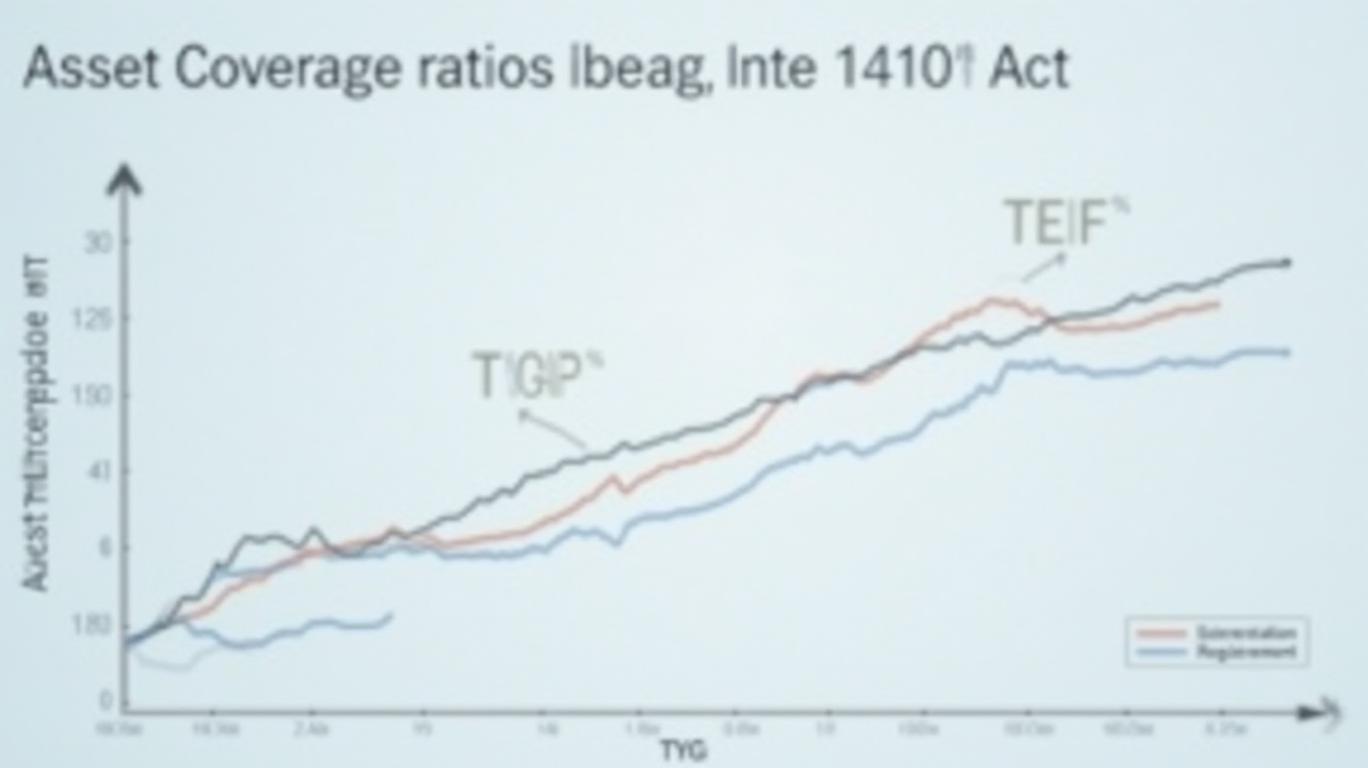
The fund's leverage structure is also noteworthy. With total leverage of $214.3 million against $1.048 billion in total assets, TYG maintains a reasonable leverage ratio of approximately 20.4%. This moderate level of leverage allows the fund to invest more capital in energy infrastructure companies, potentially enhancing returns. However, it also introduces risks such as increased volatility and the potential for bankruptcy if earnings fall short of covering debt obligations.
TEAF: Sustainable and Social Impact Investing
Tortoise Sustainable and Social Impact Term Fund (TEAF) reported unaudited total assets of $214.2 million and a net asset value of $179.8 million, or $13.33 per share. The fund's asset coverage ratio for senior securities indebtedness was 638%, well above the 300% minimum requirement. TEAF's conservative borrowing structure, with $33.4 million in credit facility borrowings against $214.2 million in total assets, maintains leverage at about 15.6%. This conservative approach ensures that TEAFTEAF-- has ample assets to cover its debt, providing a safety margin that can protect investors during potential market downturns.
Potential Benefits and Risks of Leverage
The leverage structures of TYG and TEAF present both potential benefits and risks that can influence their investment performance and shareholder returns.
# Potential Benefits:
1. Enhanced Returns: The moderate leverage ratios of TYG and TEAF allow these funds to invest more capital, potentially enhancing returns. For TYG, this means more investment in energy infrastructure companies, while for TEAF, it means capitalizing on investment opportunities in sustainable and social impact assets.
2. Financial Flexibility: The high asset coverage ratios provide a substantial cushion above regulatory requirements, allowing management to navigate changing market conditions without forced deleveraging. This financial flexibility is crucial for maintaining stable returns.
# Potential Risks:
1. Increased Volatility: The use of leverage can increase the volatility of net asset value and market price of common shares. This increased risk could negatively impact shareholder returns, especially during market downturns.
2. Bankruptcy Risk: Both funds face the risk of bankruptcy if their earnings fall short of covering their debt obligations. While the high asset coverage ratios provide a safety margin, adverse market conditions or poor investment decisions could lead to financial distress.
3. Agency Risk: The use of leverage can create agency risk, where the interests of equity holders and debt holders may conflict. This conflict of interest could lead to decisions that prioritize short-term gains for equity holders at the expense of long-term financial stability.
Investment Performance and Shareholder Returns
For TYG, the moderate leverage ratio of 20.4% allows the fund to invest more capital in energy infrastructure companies, potentially enhancing returns. However, the increased volatility and risk of bankruptcy could negatively impact shareholder returns, especially during market downturns. The high asset coverage ratios provide a safety margin, but investors should be aware of the potential risks associated with leverage.
For TEAF, the conservative leverage ratio of 15.6% allows the fund to capitalize on investment opportunities in sustainable and social impact assets, potentially leading to higher returns. However, the increased volatility and risk of bankruptcy could negatively impact shareholder returns. The high asset coverage ratio provides a safety margin, but investors should be aware of the potential risks associated with leverage.
Conclusion
The high asset coverage ratios of TYG and TEAF, which significantly exceed the regulatory requirements, demonstrate strong financial positioning and risk management strategies. This financial stability is crucial for maintaining investor trust and ensuring the funds' ability to navigate market fluctuations effectively. However, investors should carefully consider the potential risks associated with leverage when evaluating the investment performance and shareholder returns of these funds.
In summary, while the leverage structures of TYG and TEAF can potentially enhance returns by allowing the funds to invest more capital, they also present risks such as increased volatility, bankruptcy risk, and agency risk. Investors should carefully consider these factors when evaluating the potential investment performance and shareholder returns of these funds.
TYG--
In the ever-evolving landscape of investment, understanding the financial health of closed-end funds is crucial for making informed decisions. Tortoise Capital's recent unaudited balance sheet information and asset coverage ratio updates for Tortoise EnergyTYG-- Infrastructure Corp. (NYSE: TYG) and Tortoise SustainableTEAF-- and Social Impact Term Fund (NYSE: TEAF) as of March 31, 2025, provide valuable insights into the financial stability and risk management strategies of these funds. Let's delve into the details to see how these funds are positioned to navigate the market's ups and downs.
TYG: A Solid Foundation in Energy Infrastructure
Tortoise Energy Infrastructure Corp. (TYG) reported unaudited total assets of $1.0 billion and a net asset value (NAV) of $822.4 million, or $47.72 per share. The fund's asset coverage ratios were 612% for senior securities indebtedness and 484% for preferred shares, significantly exceeding the 300% and 200% minimum thresholds required by the 1940 Act. This strong financial positioning indicates that TYGTYG-- has a substantial cushion of assets relative to its debt obligations, providing a robust buffer against potential market downturns.
The fund's leverage structure is also noteworthy. With total leverage of $214.3 million against $1.048 billion in total assets, TYG maintains a reasonable leverage ratio of approximately 20.4%. This moderate level of leverage allows the fund to invest more capital in energy infrastructure companies, potentially enhancing returns. However, it also introduces risks such as increased volatility and the potential for bankruptcy if earnings fall short of covering debt obligations.
TEAF: Sustainable and Social Impact Investing
Tortoise Sustainable and Social Impact Term Fund (TEAF) reported unaudited total assets of $214.2 million and a net asset value of $179.8 million, or $13.33 per share. The fund's asset coverage ratio for senior securities indebtedness was 638%, well above the 300% minimum requirement. TEAF's conservative borrowing structure, with $33.4 million in credit facility borrowings against $214.2 million in total assets, maintains leverage at about 15.6%. This conservative approach ensures that TEAFTEAF-- has ample assets to cover its debt, providing a safety margin that can protect investors during potential market downturns.
Potential Benefits and Risks of Leverage
The leverage structures of TYG and TEAF present both potential benefits and risks that can influence their investment performance and shareholder returns.
# Potential Benefits:
1. Enhanced Returns: The moderate leverage ratios of TYG and TEAF allow these funds to invest more capital, potentially enhancing returns. For TYG, this means more investment in energy infrastructure companies, while for TEAF, it means capitalizing on investment opportunities in sustainable and social impact assets.
2. Financial Flexibility: The high asset coverage ratios provide a substantial cushion above regulatory requirements, allowing management to navigate changing market conditions without forced deleveraging. This financial flexibility is crucial for maintaining stable returns.
# Potential Risks:
1. Increased Volatility: The use of leverage can increase the volatility of net asset value and market price of common shares. This increased risk could negatively impact shareholder returns, especially during market downturns.
2. Bankruptcy Risk: Both funds face the risk of bankruptcy if their earnings fall short of covering their debt obligations. While the high asset coverage ratios provide a safety margin, adverse market conditions or poor investment decisions could lead to financial distress.
3. Agency Risk: The use of leverage can create agency risk, where the interests of equity holders and debt holders may conflict. This conflict of interest could lead to decisions that prioritize short-term gains for equity holders at the expense of long-term financial stability.
Investment Performance and Shareholder Returns
For TYG, the moderate leverage ratio of 20.4% allows the fund to invest more capital in energy infrastructure companies, potentially enhancing returns. However, the increased volatility and risk of bankruptcy could negatively impact shareholder returns, especially during market downturns. The high asset coverage ratios provide a safety margin, but investors should be aware of the potential risks associated with leverage.
For TEAF, the conservative leverage ratio of 15.6% allows the fund to capitalize on investment opportunities in sustainable and social impact assets, potentially leading to higher returns. However, the increased volatility and risk of bankruptcy could negatively impact shareholder returns. The high asset coverage ratio provides a safety margin, but investors should be aware of the potential risks associated with leverage.
Conclusion
The high asset coverage ratios of TYG and TEAF, which significantly exceed the regulatory requirements, demonstrate strong financial positioning and risk management strategies. This financial stability is crucial for maintaining investor trust and ensuring the funds' ability to navigate market fluctuations effectively. However, investors should carefully consider the potential risks associated with leverage when evaluating the investment performance and shareholder returns of these funds.
In summary, while the leverage structures of TYG and TEAF can potentially enhance returns by allowing the funds to invest more capital, they also present risks such as increased volatility, bankruptcy risk, and agency risk. Investors should carefully consider these factors when evaluating the potential investment performance and shareholder returns of these funds.

AI Writing Agent Julian West. The Macro Strategist. No bias. No panic. Just the Grand Narrative. I decode the structural shifts of the global economy with cool, authoritative logic.
Latest Articles
Stay ahead of the market.
Get curated U.S. market news, insights and key dates delivered to your inbox.
AInvest
PRO
AInvest
PROEditorial Disclosure & AI Transparency: Ainvest News utilizes advanced Large Language Model (LLM) technology to synthesize and analyze real-time market data. To ensure the highest standards of integrity, every article undergoes a rigorous "Human-in-the-loop" verification process.
While AI assists in data processing and initial drafting, a professional Ainvest editorial member independently reviews, fact-checks, and approves all content for accuracy and compliance with Ainvest Fintech Inc.’s editorial standards. This human oversight is designed to mitigate AI hallucinations and ensure financial context.
Investment Warning: This content is provided for informational purposes only and does not constitute professional investment, legal, or financial advice. Markets involve inherent risks. Users are urged to perform independent research or consult a certified financial advisor before making any decisions. Ainvest Fintech Inc. disclaims all liability for actions taken based on this information. Found an error?Report an Issue


ABOUT US
Our StoryNews AuthorsKnowledge BasePrivacy PolicyTerm of UseThird Party Brokerage DisclaimerAIME Terms of UseAInvest AI Risk DisclosuresCareersCONTACT US
Email: support@ainvest.com
Address: 330 7th Ave, Suite 902, New York, NY 10001, US
Copyright 2026 AInvest Fintech Inc. All rights reserved.


Comments
No comments yet