
Gold's Historic Plunge: Profit-Taking and Overvaluation Spark Metals Sell-Off


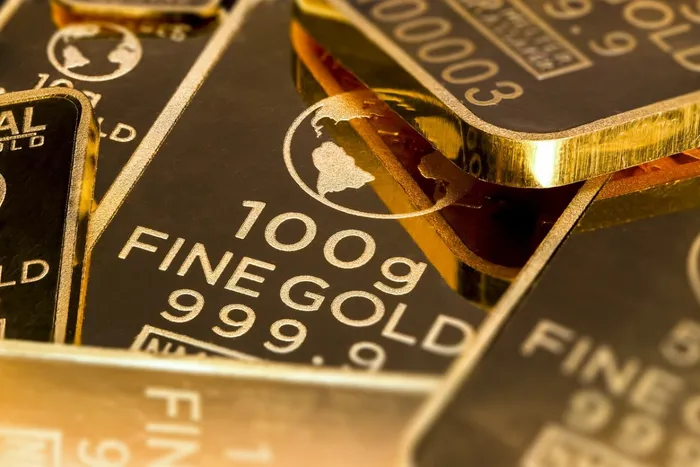
Gold prices cratered in a dramatic sell-off, marking the metal's steepest intraday drop since June 2013 and dragging down silver and platinum in a broad retreat from this year's blistering rallies. By Tuesday afternoon, gold futures had tumbled 5.2% to around $4,130 per ounce, after earlier plunging as much as 6.3%. This swift reversal halted a months-long surge that had propelled precious metals to record highs, fueled by economic uncertainty, inflation fears, and safe-haven demand. But as investors locked in profits and reassessed valuations, the market exposed the fragility of these gains. With the U.S. dollar strengthening and technical indicators flashing overbought signals, the correction underscores a shift from euphoria to caution in commodities trading.
Why the Sharp Correction in Precious Metals?
The plunge wasn't entirely unforeseen. Gold, silver, and platinum have outpaced many assets this year, with gains of 54%, 60%, and 66% respectively through Tuesday. Such rapid ascents often invite pullbacks, as Standard Chartered's Suki Cooper described it: a "technical correction" amid an expanding investor base that had piled into metals as safer bets during turbulent times. Dealers, she noted, were stepping back after the rally drew in a broader universe of participants, from hedge funds to retail traders.
Echoing this, TD Securities' Bart Melek pointed to profit-taking after an "unsustainable" rally. Precious metals had become overcrowded, with positions stretched thin. The U.S. dollar's 0.4% rise on Tuesday exacerbated the pain, making bullion pricier for overseas buyers and eroding its appeal. Silver futures dropped 6.7%, while platinum slid 7.2%, amplifying the sector-wide rout. These moves reflect not just momentum unwinding but also broader market dynamics, where metals' role as hedges against inflation and policy risks suddenly faced skepticism.
Analysts Weigh In on the Overstretch
Technical indicators had long hinted at vulnerability. Both gold and silver entered the session with rallies that appeared overstretched, prompting investors to secure gains amid fears of overvaluation. Citigroup's commodities team, led by strategists like Charlie Massy-Collier, downgraded their overweight recommendation on gold post-slump, forecasting consolidation around $4,000 per ounce in the near term. They argued that prices had "run ahead of the 'debasement' story," where investors flee sovereign debt and currencies to shield against ballooning deficits. While central bank demand for gold—as a dollar diversifier—remains a long-term bull case, the bank sees no urgency to chase it at current levels.
On a more optimistic note, MKS Pamp's Nicky Shiels viewed the dip as approaching "good entry levels." She anticipates a short-term range for gold between $4,000 and $4,500 per ounce, and $45 to $50 for silver, allowing markets to stabilize, rebuild liquidity, and reaffirm fundamental supports. This perspective highlights the dual nature of corrections: painful in the moment but potentially healthy for sustaining longer-term uptrends.
Forecasts Adjust Amid Volatility
Banks have been revising targets upward throughout the year, but the sell-off injects caution. Bank of America led the charge earlier this month, becoming the first major institution to peg gold at $5,000 per ounce for 2026—a bold call amid persistent inflation and geopolitical strains. HSBC, while bullish, tempered its enthusiasm last week by lifting its 2025 average to $3,950 from $3,125. Earlier bearishness has faded: JPMorgan's February end-of-year target of $2,950 now seems quaint, as does Citigroup's $3,000 for year-end and Goldman Sachs' mid-2026 outlook at the same level.
Silver's trajectory draws similar scrutiny. Bank of America hiked its target to $65 per ounce, even as it traded just under $48 on Tuesday. Yet analysts flagged risks, including volatility from thinning liquidity and potential demand slowdowns. Goldman Sachs expects silver to climb further if a U.S. government shutdown looms or the Federal Reserve delivers expected rate cuts—officials remain split on two more reductions this year. Unlike gold, silver's industrial uses add layers of complexity, making it more prone to swings.
The Broader Economic Backdrop

This year's metals boom stemmed from "elevated" uncertainty, as Goldman Sachs' Lina Thompson outlined, driven by President Donald Trump's tariffs and rising inflation. Hedge fund titan Ray Dalio has championed gold as "the one asset that does very well" when equities falter, urging newcomers to embrace it amid policy turbulence. Silver's surge ties to vanishing inventories in London, its global trading hub, where Anant Jania of Greenland Investment Management reported "no liquidity available currently." A historic squeeze last week pushed prices past the 1980 Hunt brothers' peak, inverting benchmarks and spurring shipments to ease tightness. Shanghai and New York stockpiles also dwindled, with Tuesday seeing the largest one-day outflow from Shanghai since February.
Platinum's rise, meanwhile, owes to robust demand from jewelers and automakers, positioning it as both a safe haven and industrial staple. Goldman analysts foresee more volatility and downside for silver than gold, the latter buoyed by central bank purchases. External factors amplified the correction: India's Diwali shutdown sapped liquidity from the world's second-largest gold buyer, while U.S.-China trade talks offered glimmers of progress. Trump predicted a "good deal" in an upcoming meeting with President Xi, though he acknowledged risks of no summit at all—easing some haven demand that had propped up metals.
Stabilization Emerges as Markets Digest the Drop
By Wednesday, gold and silver showed signs of steadying, with spot gold hovering near $4,125 per ounce after a 5.3% close lower the prior session. Silver dipped modestly by 0.2%, while platinum and palladium held flat after 5% losses. The rebound, albeit tentative, suggests the worst of the intraday panic may have passed. Spot silver had slumped as much as 8.7% on Tuesday, but the pullback aligns with the debasement trade's evolution, where Fed rate-cut bets—now tempered by internal divisions—had supercharged gains.
This stabilization phase could redefine the rally's next leg. As Shiels noted, it provides breathing room for fundamentals to reassert themselves. Central banks' diversification away from the dollar remains a cornerstone for gold, potentially offsetting near-term consolidation. For silver, industrial demand offers upside, though its ties to gold ensure correlated moves. Investors eyeing re-entry might find value here, but the episode serves as a reminder: in commodities, surges built on uncertainty can unwind just as swiftly.
Looking Ahead: Risks and Opportunities
The metals meltdown highlights enduring tensions in global markets. With tariffs, inflation, and Fed policy in flux, precious metals retain their allure as hedges. Yet overvaluation risks loom, particularly for silver amid liquidity crunches. Dalio's endorsement underscores a strategic pivot toward metals in uncertain eras, but Tuesday's action warns against complacency. As Citigroup strategists put it, the bull story endures—but at a more measured pace. For now, the plunge resets expectations, paving the way for a potentially more sustainable advance if economic headwinds persist.

Expert analysis on U.S. markets and macro trends, delivering clear perspectives behind major market moves.
Latest Articles
Stay ahead of the market.
Get curated U.S. market news, insights and key dates delivered to your inbox.


AInvest
PRO
AInvest
PRO



Comments
No comments yet