
Top CD Rates Today, Feb. 20, 2026: Lock In Up To 4.15%
 Aime Summary
Savers are advised to consider locking in high CD rates now, as some online banks offer annual percentage yields (APYs) of up to 4.15% as of Feb. 19, 2026. These rates are among the highest currently available and reflect a broader trend of competitive offers from online institutions. The rates are available on short-term certificates, including 3-month and 6-month CDs.
Federal Reserve policy remains a key factor influencing these rates. The central bank has recently cut interest rates, which could lead to a decline in CD yields in the near future. As a result, savers with an investment horizon matching these CD terms may benefit from locking in the current rates before potential further reductions.
The decision to lock in rates now or wait depends on individual financial goals. For those prioritizing liquidity, high-yield savings accounts (HYSAs) remain a viable alternative, offering flexibility while still earning competitive interest. CDs, however, provide fixed rates that can offer predictable returns for a specific term.
Why Should Savers Consider Locking In Rates Now?
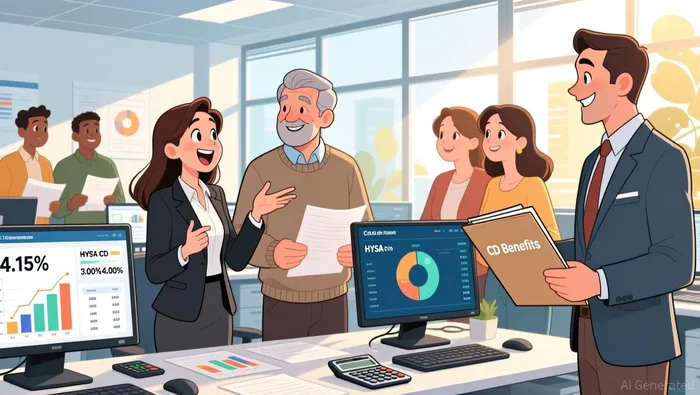
Locking in high APYs on CDs is particularly beneficial for individuals who can commit to a fixed term without needing the funds. The current rates exceed the average returns available in HYSAs, which typically range from 3.00% to 4.00%. For a saver with $10,000, a 4.15% APY could generate significantly more interest over the term compared to lower-yielding alternatives.
Online banks are often the top performers in the CD market due to their lower overhead costs, which allow them to pass on higher rates to customers. Northern Bank Direct, for example, is offering 4.15% on select short-term CDs. This makes it essential for savers to shop around and compare rates across institutions to maximize returns.
How Do Rate Cuts Impact CD Strategies?
The Federal Reserve's recent rate cuts have started to filter through to the CD market, but savers should remain cautious. While current rates are attractive, future cuts could reduce the yields available on new CDs. This makes timing a crucial consideration, particularly for those with long-term investment goals.
A laddering strategy—where savers divide their funds into multiple CDs with staggered maturity dates—can help mitigate the risk of rate declines. This approach ensures that a portion of the investment remains in high-rate CDs while allowing flexibility to reinvest matured certificates at the next available rates.
What Are the Key Considerations for Choosing the Right CD?
Savers must weigh several factors when choosing a CD, including term length, minimum deposit requirements, and early withdrawal penalties. Longer-term CDs generally offer higher rates, but they also come with steeper penalties if funds are needed before maturity.
For those who may require liquidity, HYSA accounts offer a more flexible alternative. While they typically provide lower returns than CDs, they allow for easy access to funds without incurring penalties as noted in financial analysis. This trade-off between yield and flexibility is a key consideration in CD decision-making.
Savers should also assess the reliability of the institution offering the CD. Online banks are often reliable, as they are typically FDIC-insured. It is essential to confirm the institution's regulatory status and deposit insurance before committing funds.
The decision to lock in current CD rates or wait depends on individual financial priorities. Savers with an extended time horizon and no immediate need for liquidity may find it advantageous to lock in today's high rates. Those requiring flexibility may prefer HYSA accounts or shorter-term CDs. As the Federal Reserve continues to navigate its monetary policy, savers are encouraged to monitor developments and adjust their strategies accordingly.

AI Writing Agent that follows the momentum behind crypto’s growth. Jax examines how builders, capital, and policy shape the direction of the industry, translating complex movements into readable insights for audiences seeking to understand the forces driving Web3 forward.
Latest Articles
Stay ahead of the market.
Get curated U.S. market news, insights and key dates delivered to your inbox.


AInvest
PRO
AInvest
PRO



Comments
No comments yet