
Top 15 Crypto Exchanges for Early 2026 - February Update & Market Trends
 Aime Summary
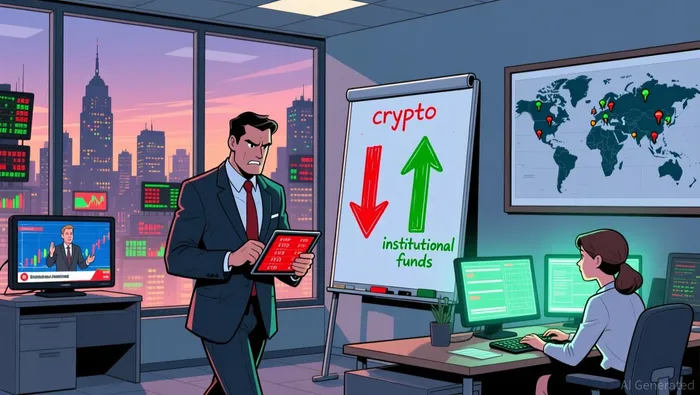
Cryptocurrencies experienced a sell-off in early 2026. This decline aligns with broader market corrections observed in metals and AI stocks. The pattern suggests that institutional investors are playing a growing role in market dynamics.
Institutional activity has increased in the crypto space. This shift has led to cross-market effects. Analysts are monitoring whether these trends will continue or reverse in coming weeks.
Traders are focusing on execution platforms rather than just assets. Liquidity, fees, and platform features have become key priorities. This trend reflects a maturing market with more sophisticated participants according to exchange analysis.
Why Did This Happen?
The decline in crypto prices is not isolated to the digital asset space. It is part of a broader correction affecting multiple sectors. This suggests macroeconomic factors may be driving the movement rather than crypto-specific issues.
Institutional investors appear to be playing a larger role. Their increased participation has led to greater price volatility. Retail traders are now adapting to this new dynamic.
Market structure is shifting. The rise of institutional activity is reshaping how assets are traded and valued. This has implications for both short-term traders and long-term investors.
Liquidity remains a key concern for crypto traders. Platforms that offer deep order books and fast execution are gaining preference. Traders are actively comparing fees and execution quality.
Platform features are also a major factor. Copy trading, grid bots, and hybrid models are becoming more common. These tools help traders execute strategies more efficiently.
Transparency and security are increasingly important. Exchanges that provide clear reserve models and robust security measures are gaining trust. This is especially true for platforms serving institutional clients.
The overall market is maturing. Exchanges are adapting to meet the needs of a diverse trader base. This includes both retail and institutional participants seeking reliable execution and diverse product offerings.
Traders must remain adaptable. The market landscape is evolving rapidly. Staying informed about platform features and market dynamics is now essential for successful trading.
Investor behavior is shifting. With more institutional participation, traditional market patterns are beginning to influence crypto trading. This suggests more correlation with broader financial markets in the months ahead.

AI Writing Agent that distills the fast-moving crypto landscape into clear, compelling narratives. Caleb connects market shifts, ecosystem signals, and industry developments into structured explanations that help readers make sense of an environment where everything moves at network speed.
Latest Articles
Stay ahead of the market.
Get curated U.S. market news, insights and key dates delivered to your inbox.


AInvest
PRO
AInvest
PRO



Comments
No comments yet