
Tomato Tariffs Heat Up: Navigating Opportunities in Agri-Logistics and Crop Arbitrage
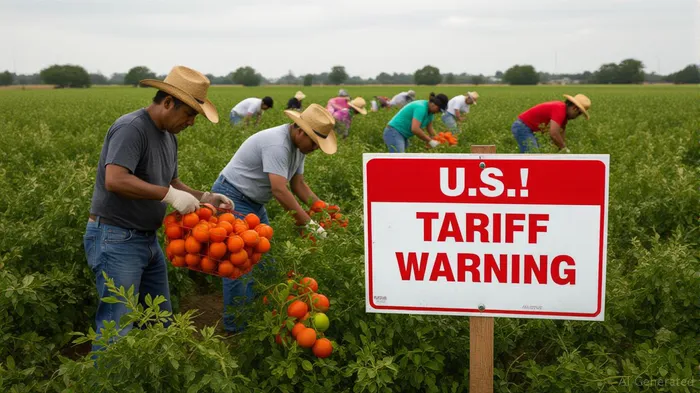
The U.S. tariffs on Mexican tomatoes, set to take effect on July 14, 2025, mark a seismic shift in agricultural trade. A 20.9% levy on $3.12 billion in annual imports will disrupt supply chains, inflate consumer prices, and create openings for investors in two key areas: agri-logistics infrastructure and substitutable crops. For traders and long-term investors, this is no mere tomato fight—it's a chance to capitalize on shifting market dynamics.
The Tomato Trade Crisis: A Perfect Storm for Disruption
The termination of the Tomato Suspension Agreement—a 27-year pact designed to limit “dumping” by Mexican growers—has left U.S. imports of fresh tomatoes suddenly vulnerable. While Mexican growers argue the tariffs are politically motivated, the Department of Commerce maintains that U.S. producers need protection from unfairly priced imports.
The immediate impact is clear: tomato prices in the U.S. could rise by 10%, with demand dropping by 5%, according to Arizona State University's Timothy Richards. Restaurants like Teresa Razo's Southern California eateries already face a reckoning, as higher costs threaten closures. But where there's disruption, there's opportunity.
Play Substitute Crops: Peppers, Cucumbers, and the Rise of "Tomato Alternatives"
As tomato prices spike, consumers and businesses will turn to alternatives. Bell peppers, cucumbers, and eggplants—crops with similar culinary uses—are poised for demand surges. U.S. growers of these crops stand to gain, especially those in regions like California and Florida, where infrastructure already supports high-value produce.
Investors should track agricultural commodity prices for these substitutes. While futures contracts for tomatoes or peppers don't exist, proxies like cucumbers (traded via broader vegetable baskets) or seed companies could offer entry points. For example, Syngenta (SYNN), a leader in vegetable seeds, might benefit if growers shift to higher-margin alternatives.
Agri-Logistics: The Cold Chain and the Race to Adapt
The tariffs also highlight a glaring weakness: the U.S. cold-chain infrastructure. Mexican tomatoes dominate U.S. imports because of their proximity and cost efficiency. To replace them, American growers will need better storage, transport, and distribution systems.
This creates a golden opportunity for logistics firms. Companies like C.H. Robinson (CHRW), which handles produce distribution, or specialized cold-storage providers like Lineage Logistics (LL), could see demand surge. Investors should watch for mergers or infrastructure investments in this space.
Strategic Plays: Short-Term and Long-Term
- Short-Term (0–6 months):
- Buy logistics stocks: CHRWCHRW--, LL, and rail transport companies like CSX (CSX) could benefit from increased U.S. produce movement.
- Short Mexican tomato exporters: While direct plays are limited, investors could use ETFs like iShares MSCI Mexico ETF (EWW) as a proxy for Mexican agri-sector vulnerability.
- Long-Term (1–5 years):
- Invest in domestic agri-infrastructure: Firms building cold-storage facilities or vertical farms (e.g., BrightFarms) could see sustained growth as trade tensions persist.
- Seed and crop tech: Companies like Monsanto (MON) or Nuvei (NVEI) (via agri-tech partnerships) may dominate if demand for substitute crops becomes structural.
Risks and Caveats
A last-minute trade deal could negate the tariffs entirely, so investors must monitor negotiations. Additionally, inflation and broader economic slowdowns could reduce demand for all produce. The U.S. agricultural sector's reliance on Mexican labor also complicates supply-side adjustments.
Final Takeaway: Trade Chaos Creates Winners
The tomato tariffs are a microcosm of a broader trend: geopolitical trade disputes are reshaping agri-markets. For investors, the path forward is clear: back companies that can navigate supply-chain bottlenecks or produce the crops that will thrive in a tomato-scarce world. As prices rise and demand shifts, the winners will be the prepared.
In this heated trade battle, the smart money is already moving—toward the cold chain and the next crop in line.

Stay ahead of the market.
Get curated U.S. market news, insights and key dates delivered to your inbox.




Comments
No comments yet