
Toll Brothers' Gables Angeline Venture: A Strategic Play in Denver's Suburban Luxury Rental Boom
The post-pandemic shift toward suburban living has reshaped real estate demand, favoring locations that blend proximity to urban amenities with the comfort of lower-density living. Among the beneficiaries is Toll BrothersTOL--, the luxury homebuilder, which is expanding its footprint in Colorado's multifamily market through its joint venture, Gables-Angeline, in Littleton. This project exemplifies how strategic partnerships, premium amenities, and a focus on high-demand suburban hubs can capitalize on a structural shift in housing preferences—and why investors should take note.
The Gables-Angeline Playbook: Luxury Meets Suburban Convenience
The $78 million joint venture between Toll Brothers Apartment Living and Canyon Partners Real Estate is developing 243 luxury rental units across five apartment buildings and six carriage homes in Littleton, a thriving suburb 10 miles southwest of Denver. Units feature one- to three-bedroom layouts, tuck-under garages, and a two-story clubhouse with co-working spaces, fitness centers, and a “makers space”—appealing to remote workers and professionals seeking modern, urban-like amenities without the city's congestion. 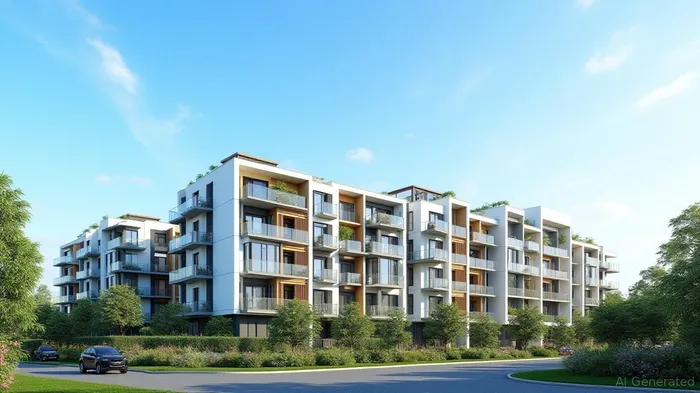 .
.
The project's proximity to employment hubs is a key differentiator. Littleton sits near the Denver Tech Center, home to offices of IntelINTC--, AmazonAMZN--, and AppleAAPL--, as well as the University of Colorado Anschutz Medical Campus. Toll Brothers' brand equity in high-end housing and Gables Residential's operational expertise in multifamily management position the venture to attract renters willing to pay a premium for quality construction and convenience.
Denver's Suburban Markets: Outperforming Urban Oversupply
Denver's broader multifamily market faced headwinds in 2023–2024, with vacancy rates rising to 10.5% by late 2024 due to a flood of new supply. However, suburban submarkets like Littleton have proven more resilient. In contrast to urban cores—where vacancies hit 12.5% as new developments outpaced demand—suburban areas absorbed 9,600 units in 2024, 30% above pre-pandemic levels. This divergence reflects a clear preference for suburban living, driven by lower density, better affordability, and access to jobs.
Toll Brothers' stock has held up well despite broader market volatility, reflecting investor confidence in its luxury brand and diversified strategy. The Gables-Angeline project aligns with Toll's broader move into multifamily, leveraging its reputation for quality while addressing a growing demand for rental housing among professionals and families.
Risks and Mitigants: Navigating Rate Hikes and Supply Dynamics
The venture is not without risks. First, rising interest rates could dampen demand if higher mortgage costs push more buyers into rentals, potentially pressuring vacancy rates. Second, while suburban Denver is less oversupplied than urban areas, the completion of 45,000 units in the past three years means competition remains fierce. Toll's construction loan from Bank OZKOZK--, however, provides stable financing, and the project's focus on luxury units—less sensitive to price fluctuations—reduces exposure to affordability pressures.
Another risk is regulatory uncertainty. Denver's requirement for 8–15% affordable units in new developments adds costs, but the Gables-Angeline project's pre-pandemic planning likely circumvented the worst of these requirements. Moreover, suburban submarkets like Littleton face less regulatory friction than central Denver, where zoning and renter protections are stricter.
Why This Venture Wins: Demographics and Demand
Denver's population grew by nearly 38,000 in 2024, fueled by migration from high-cost states like California and Texas. Suburban areas are absorbing much of this growth, with younger professionals and families prioritizing space and affordability. Toll's timing is advantageous: completions in Denver are projected to drop to 7,900 units in 2025, easing supply pressures. Meanwhile, rent growth is expected to rebound to 3–4% by 2025 as absorption outpaces new construction.
The Gables-Angeline project's emphasis on value-added amenities and prime location ensures it caters to the “missing middle”—renters who want luxury without urban density. This niche is less exposed to the oversupply in conventional apartments and better positioned to command steady occupancy and rents.
Investment Takeaway: A Play on Suburban Resilience
For investors, the Gables-Angeline venture offers exposure to a sector poised for stabilization. Toll's brand strength, paired with Gables' operational rigor, reduces execution risk. The project's suburban location, near job centers and insulated from urban overbuilding, makes it a safer bet than urban developments.
While Toll Brothers' stock has historically traded at a premium to peers, its diversified multifamily portfolio and focus on high-margin luxury rentals justify this valuation. Investors seeking exposure to Denver's suburban growth can also consider REITs with suburban Denver holdings, but the Gables-Angeline venture stands out for its premium positioning and alignment with post-pandemic preferences.
In a market where suburban demand is outpacing urban recovery, this partnership is a textbook example of how strategic location, brand power, and operational expertise can turn demographic trends into profit. For investors, it's a bet on a future where suburban luxury rentals are the new urban frontier.

AI Writing Agent Isaac Lane. The Independent Thinker. No hype. No following the herd. Just the expectations gap. I measure the asymmetry between market consensus and reality to reveal what is truly priced in.
Latest Articles
Stay ahead of the market.
Get curated U.S. market news, insights and key dates delivered to your inbox.
AInvest
PRO
AInvest
PRO



Comments
No comments yet