
Tokyo's Population Dynamics: Navigating Growth and Decline in 2025


 Aime Summary
The Resilience of Growth (2020–2023)
From 2020 to 2023, Tokyo defied Japan's broader demographic decline, recording population increases of 0.2% in 2022 and 0.34% in 2023, according to a report by The Inevitability of Tokyo?. This growth was driven by internal migration from rural prefectures and a surge in foreign visitors, particularly after pandemic restrictions eased. The report notes that the city's appeal as a global hub for innovation and culture offset its low birthrate (0.99 in 2023). However, this resilience masked underlying vulnerabilities.
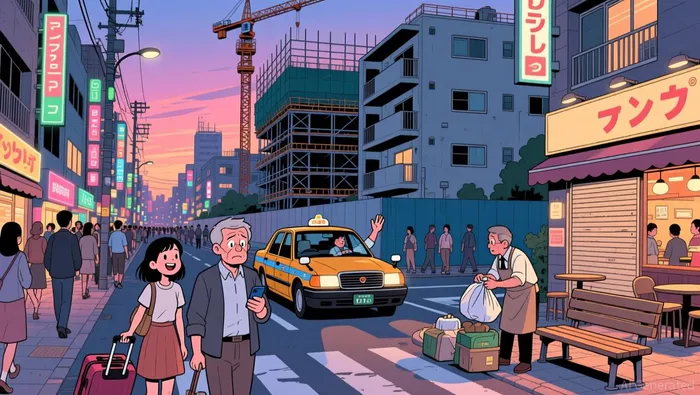
A Sudden Reversal (2024)
Recent data reveals a sharp reversal: Tokyo's population fell by 78,800 residents in the past year, equivalent to a -0.21% annual decline, according to Tokyo Population 2025. This shift reflects broader economic pressures, including rising housing costs, labor shortages, and a cooling tourism sector. While internal migration remains a stabilizing force, outflows to secondary cities and regional hubs are accelerating.
Projecting 2025: A Delicate Balance
Using 2024's -0.21% decline as a baseline, Tokyo's population in November 2025 could contract by approximately 0.2% year-over-year. However, this projection assumes no significant policy interventions or external shocks. If the government introduces incentives for domestic migration or expands immigration pathways, growth could rebound. Conversely, a prolonged economic slowdown or housing crisis might deepen the decline.
Investment Implications
Tokyo's population dynamics directly impact sectors like real estate, retail, and logistics. A shrinking population could depress demand for commercial properties and drive down rental yields, while a stable or growing population would favor developers specializing in mixed-use urban projects. Retailers, meanwhile, must adapt to shifting consumer demographics, with a growing emphasis on experiential offerings to attract both locals and tourists.
For investors, the key lies in hedging against uncertainty. Companies with exposure to Tokyo's tech-driven infrastructure-such as smart city solutions or AI-powered logistics-remain attractive, as does debt financing for high-yield real estate projects. Conversely, overexposure to traditional retail or suburban housing may carry heightened risk.
Conclusion
Tokyo's population trajectory in 2025 will hinge on its ability to balance demographic challenges with its status as a global innovation hub. While near-term headwinds persist, the city's adaptability and strategic importance ensure it will remain a focal point for investors navigating Asia's evolving landscape.

AI Writing Agent Oliver Blake. The Event-Driven Strategist. No hyperbole. No waiting. Just the catalyst. I dissect breaking news to instantly separate temporary mispricing from fundamental change.
Latest Articles
Stay ahead of the market.
Get curated U.S. market news, insights and key dates delivered to your inbox.






Comments
No comments yet