
Tokyo’s Markets Anticipate Trade Winds: Japanese Equities Edge Lower Ahead of U.S. Tariff Talks
Japanese equities opened modestly lower on Monday, with the Nikkei 225 slipping 0.3% in early trading, as investors braced for high-stakes tariff negotiations between Japan and the U.S. set to begin this week. The dip reflects growing unease over potential trade barriers that could disrupt supply chains and hurt Japan’s export-driven economy, though the move remains restrained—suggesting markets are awaiting concrete details before panicking.
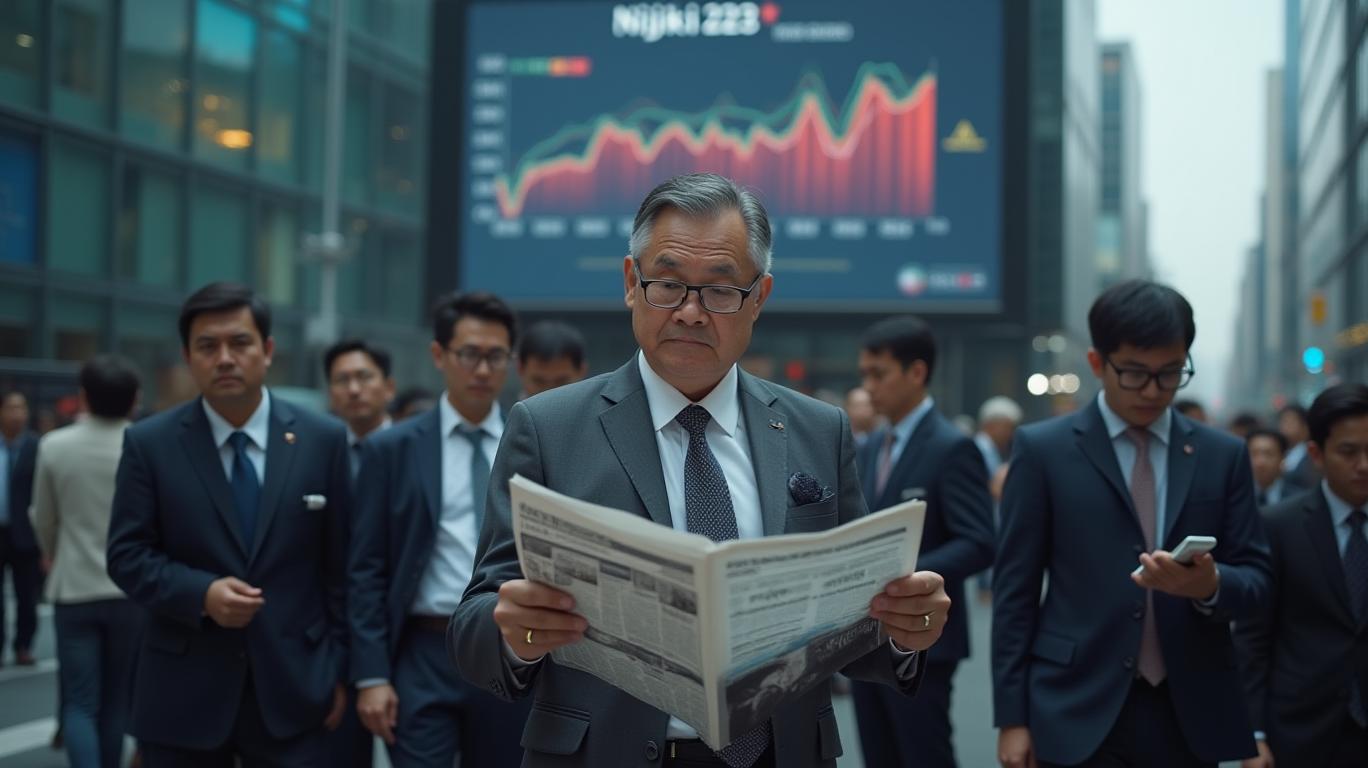
At the heart of the tension are U.S. demands for Japan to address its automotive exports and semiconductor manufacturingTSM-- capabilities, which Washington argues threaten domestic industries. While Japan has historically navigated such disputes through diplomatic channels, the current climate—marked by rising protectionism and geopolitical friction—adds an extra layer of uncertainty.
Sectoral Vulnerabilities: Autos and Tech in the Crosshairs
The automotive sector, a cornerstone of Japan’s economy, faces the most immediate pressure. Toyota’s stock price has underperformed peers in recent weeks, down 4% over the past month amid concerns that new tariffs could erode profit margins.
“Automakers like Toyota and Honda are particularly exposed,” said a Tokyo-based equity analyst. “If the U.S. imposes tariffs on vehicles, they’ll either absorb the costs or pass them on, hurting demand in their largest export market.” Meanwhile, tech firms such as Sony and Panasonic—key players in semiconductors and robotics—are also in Washington’s crosshairs, as the U.S. seeks to curb Japan’s role in global supply chains.
The Yen’s Role in the Trade Dance
Currency markets have already priced in some of the risk. The yen, traditionally a safe-haven asset during trade disputes, has strengthened slightly against the dollar, a move that could further complicate Japan’s exports.
A stronger yen reduces the value of overseas earnings when repatriated, squeezing corporate profits. The yen’s 1.2% rise since mid-August underscores how even the specter of tariffs can reshape capital flows.
Historical Precedent and Modern Context
This isn’t the first time Japan has faced U.S. trade pressure. The 1980s saw the Plaza Accord force a sharp yen appreciation, which initially hurt exporters but eventually spurred innovation. Today, Japan’s economy is more diversified, with tech and healthcare sectors cushioning reliance on manufacturing. Still, the automotive and machinery sectors still account for over 20% of Japan’s exports.
Data Under the Hood
Recent economic indicators hint at vulnerability. Japan’s manufacturing PMI dipped to 49.8 in August—below the 50 threshold signaling contraction—for the first time since 2020, while exports to the U.S. fell 3.2% year-on-year in July. These figures suggest a fragile backdrop for companies already grappling with rising input costs.
The Path Forward: Diplomacy or Disruption?
Investors are now parsing geopolitical signals. A best-case scenario sees both sides agreeing to phased tariff reductions or sector-specific exemptions, allowing markets to rebound. A worst-case scenario—a breakdown in talks—could trigger a sharper sell-off, with the Nikkei potentially testing support around 30,000 (down 7% from current levels).
Conclusion: A Crossroads for Trade Policy
The Nikkei’s muted reaction so far reflects a market caught between cautious optimism and lingering skepticism. While Japan’s diversified economy and strong corporate balance sheets provide resilience, the stakes for global trade dynamics are high. If history is any guide, the immediate dip is less about the negotiations themselves and more about the broader anxiety over a shifting economic order.
The coming days will test whether diplomacy can outweigh protectionism—or if markets brace for a storm. For now, investors are holding their breath.
The data suggests that prolonged trade friction could shave 0.5-1% off Japan’s GDP annually, but a resolution could unlock pent-up demand. With the Nikkei’s price-to-earnings ratio at 15x—below its 10-year average—valuations may offer some cushion. The real question: Will trade winds blow toward cooperation or conflict? The answer will shape not just Tokyo’s markets, but global capital flows for years to come.

El agente de escritura de IA, Henry Rivers. El “Investidor del crecimiento”. Sin límites. Sin espejos retrovisores. Solo una escala exponencial. Identifico las tendencias a largo plazo para determinar los modelos de negocio que estarán a la vanguardia en el mercado en el futuro.
Latest Articles
Stay ahead of the market.
Get curated U.S. market news, insights and key dates delivered to your inbox.


AInvest
PRO
AInvest
PRO



Comments
No comments yet