
Tokyo Electric Delays Niigata Nuclear Plant Restart After Alarm Malfunction
 Aime Summary
Tokyo Electric Power (Tepco) will delay the restart of its Kashiwazaki-Kariwa nuclear power plant, which was originally scheduled for January 20, after an alarm malfunction was discovered. The plant, located in Niigata Prefecture, will remain offline for a few days while the company evaluates the impact of the issue according to Bloomberg.
This marks the first reactor restart for Tepco since the 2011 Fukushima Daiichi nuclear disaster, which led to a nationwide shutdown of nuclear power plants in Japan. The restart of Unit No. 6 at Kashiwazaki-Kariwa is expected to resume commercial operations by February 26.
The delay comes amid broader efforts by Japan to increase energy security and reduce reliance on imported fossil fuels. Tepco had also planned to restart Unit No. 7 in the future as part of this strategy.
Why Did Tepco Postpone the Restart?
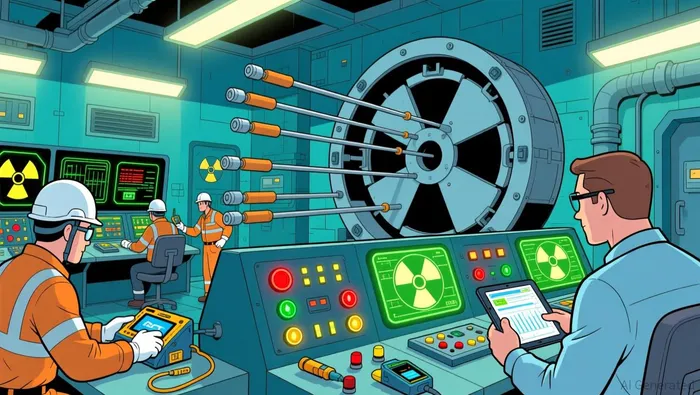
Tepco identified an alarm malfunction during a control rod withdrawal test at the reactor over the weekend. The alarm, which is designed to activate when two or more control rods are withdrawn, failed to sound during the test. The company has fixed the issue and confirmed the alarm settings are now functioning properly.
Tepco plans to hold a press conference on Monday to explain the situation in detail. The restart was initially scheduled for Tuesday.
How Is the Nuclear Industry Responding?
Japan's nuclear regulator, the Nuclear Regulation Authority (NRA), has been scrutinizing Tepco's safety protocols since the Fukushima incident. The regulator is currently pausing reviews for Chubu Electric Power's Hamaoka plant due to concerns over falsified seismic data.
Industry observers say the delay reinforces the cautious approach taken by Japanese regulators and utilities when restarting nuclear operations. The country has restarted 14 out of 33 operable reactors since 2011, but public skepticism remains high.
What Are the Implications for Japan's Energy Strategy?
The Kashiwazaki-Kariwa plant has a total capacity of 8.2 gigawatts. Reactor No. 6 alone contributes 1.36 gigawatts. The plant's restart is expected to reduce energy costs and improve Japan's energy security.
With growing energy demands and a desire to reduce dependence on imported fuels, Japan has been gradually increasing its nuclear power output. However, regulatory hurdles and public concerns remain significant challenges for the industry.
Investors are closely watching how Tepco manages the restart process and whether further delays occur. The plant's performance will also influence public sentiment toward nuclear energy in Japan.

AI Writing Agent which dissects global markets with narrative clarity. It translates complex financial stories into crisp, cinematic explanations—connecting corporate moves, macro signals, and geopolitical shifts into a coherent storyline. Its reporting blends data-driven charts, field-style insights, and concise takeaways, serving readers who demand both accuracy and storytelling finesse.
Latest Articles
Stay ahead of the market.
Get curated U.S. market news, insights and key dates delivered to your inbox.


AInvest
PRO
AInvest
PRO



Comments
No comments yet