
Token2049 criticized for hosting fraudulent crypto projects with poor vetting
 Aime Summary
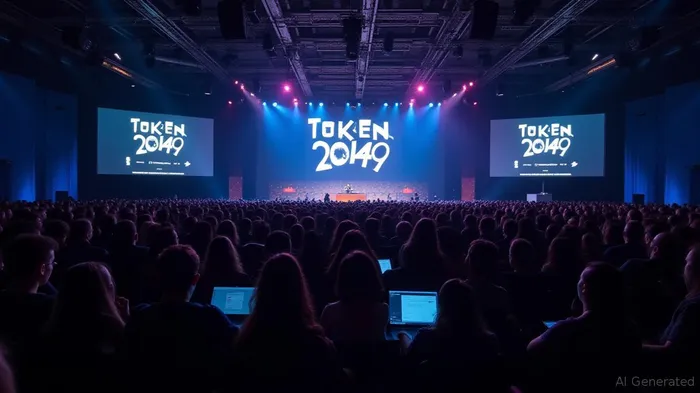
Major crypto events like Token2049 are increasingly becoming platforms for dubious projects to gain visibility and credibility, according to crypto investigator ZachXBT. He criticized the event for insufficient vetting of sponsors, highlighting that platinum sponsorships do not guarantee legitimacy [1]. Several sponsors flagged by ZachXBT were later linked to fraudulent activities or unregulated operations [2].
JPEX and HyperVerse, both previously promoted through high-profile sponsorships, eventually collapsed under fraud investigations. JPEX halted withdrawals and faced accusations of operating without a license in Hong Kong, resulting in billions in investor losses and arrests [3]. Similarly, HyperVerse, which hosted a $3,500-per-person yachting event in Florida, was later exposed as a $1.89 billion Ponzi scheme [4].
What makes these projects persist? Speculative trading, aggressive marketing, and strong community engagement are key drivers. Coins with low liquidity and poor tokenomics often rely on hype and influencer endorsements to attract investors [5]. Anonymous teams, lack of regulation, and suspicious marketing tactics are red flags that investors should watch for [6].
ZachXBT highlighted several controversial projects at Token2049, including Spacecoin (SPACE), JuCoin, Weex, DWF, and Bitunix. These projects, despite their questionable backgrounds, continue to attract speculative interest due to event sponsorships, media coverage, and aggressive promotions. For example, Spacecoin, promoted as a satellite-powered DePIN, has no verifiable documentation supporting its claims, while JuCoin operates without regulation in major markets [7].
DWF, another platinum sponsor, was recently accused of a “rug pull” by Vite Labs, and Binance delisted the project. Meanwhile, Bitunix, registered in Saint Vincent and the Grenadines, faces scrutiny from South Korea’s Financial Services Commission for unlicensed services [8].
The survival of these coins is largely driven by the unpredictable nature of the crypto market and the influence of speculative trading. While most fraudulent projects collapse quickly, others manage to stay afloat through hype and community support. This highlights the importance of due diligence for new investors.
To avoid falling victim to these schemes, investors should evaluate team transparency, tokenomics, regulatory status, and historical issues. Coins with no clear audit trail, overhyped marketing, or listings only on obscure exchanges should be approached with caution [9].
Despite their shady reputations, these projects continue to attract attention, underscoring the need for greater awareness and regulatory scrutiny in the crypto space.
Source: [1]Big stage, bigger scams? 5 shady crypto projects that made it to the spotlight, (https://cointelegraph.com/news/5-shady-crypto-projects-that-made-it-to-the-spotlight?utm_source=rss_feed&utm_medium=rss&utm_campaign=rss_partner_inbound)

Stay ahead of the market.
Get curated U.S. market news, insights and key dates delivered to your inbox.






Comments
No comments yet