
Why Today’s Rocket Launch Matters for Space Investors in 2026
 Aime Summary
Rocket launches are no longer just scientific milestones—they are shaping the future of technology, national security, and global connectivity. In the past week alone, two major launches from SpaceX have signaled strategic shifts in U.S. intelligence capabilities and commercial space infrastructure. At the same time, NASA’s moon rocket is being prepped for a historic crewed mission. For investors, understanding these developments—and their financial implications—is essential in 2026.
What Does Today’s Rocket Launch Mean for the U.S. Intelligence Sector?
On January 16, 2026, SpaceX launched the NROL-105 mission for the U.S. National Reconnaissance Office (NRO), delivering a new batch of reconnaissance satellites to orbit. This launch is part of a broader strategy by the NRO to move away from large, expensive satellites toward a proliferated architecture of smaller, more agile systems. The new satellites improve situational awareness by enabling more frequent revisits to key areas and faster delivery of intelligence.
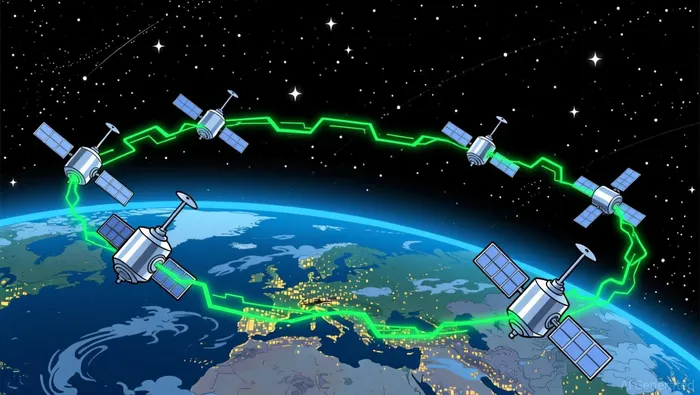
This shift reflects a growing trend in space-based national security: instead of relying on a few highly sophisticated satellites, the U.S. is building a resilient, distributed network that is harder to disable. This architecture not only enhances surveillance but also reduces the risk of a single-point failure—something that becomes increasingly relevant in the context of potential cyber or physical threats.
For investors, the significance lies in the growing partnership between government agencies and commercial space providers like SpaceX. The company’s Falcon 9 rocket has proven its reliability and cost-effectiveness, with the booster from this mission being recovered for future reuse. This approach reduces expenses and increases the frequency of launches, making it a sustainable model for future satellite deployment.
Why Is the U.S. Expanding Its Reconnaissance Satellite Network Now?
The U.S. government has long relied on space-based intelligence to monitor global threats, but recent geopolitical tensions and technological advancements have accelerated the need for a more adaptable system. The NRO’s proliferated satellite architecture is designed to address these evolving challenges by creating a more flexible and resilient intelligence-gathering network.
This strategy involves launching smaller satellites more frequently, ensuring that the system can continue to function even if some satellites are lost or damaged. It also allows for faster upgrades and the ability to adapt to new threats in real time. For instance, if a new surveillance technology becomes available, it can be integrated into the network more quickly than it could with larger, longer-lived satellites.
From an investment standpoint, this trend is likely to drive demand for satellite manufacturing, launch services, and ground control infrastructure. Companies like SpaceX, Maxar Technologies, and L3Harris TechnologiesLHX-- are already benefiting from increased spending on national security-related space programs.
What Recent Developments Signal a Major Shift in Space Infrastructure?
While the NRO mission highlights the military and intelligence applications of space, recent developments in commercial space infrastructure are equally important. On January 18, NASA moved its new moon rocket to the launch pad in preparation for a crewed Artemis mission, expected to launch in early February. This marks the first lunar fly-around by U.S. astronauts in over 50 years and is a key step in restoring American leadership in human space exploration.
Meanwhile, SpaceX is continuing to build out its Starship program infrastructure at Starbase and Cape Canaveral, with significant progress reported at Launch Complex 39A. These developments indicate that the company is preparing for more ambitious missions in 2026 and beyond, including potential crewed flights to the Moon and Mars. The expansion of Starship infrastructure also supports the deployment of larger and more advanced satellites, which could have implications for both commercial and military applications.
The FCC’s recent approval of 7,500 additional Starlink satellites further underscores the company’s long-term strategy to expand its global connectivity services. These satellites will provide direct-to-cell connectivity outside the U.S. and enhance existing coverage within the country, potentially opening up new revenue streams for SpaceX and its partners.
What Should Investors Watch for in the Near Term?
As the space sector continues to evolve, there are several key developments that investors should keep an eye on in the coming months. First, the Artemis program’s planned launch in early February could set the stage for a renewed focus on crewed space exploration, which may lead to increased government spending and private sector partnerships.
Second, SpaceX’s progress on Starship infrastructure and its upcoming launches will be critical to its long-term growth. The company’s ability to successfully test and deploy the Starship system will determine its competitiveness in the global launch market and its potential to support deep-space missions.
Finally, the continued expansion of satellite networks—both for national security and commercial purposes—will shape the demand for launch services and satellite manufacturing. Companies that can provide reliable, cost-effective solutions for satellite deployment and operations are likely to benefit from this trend.
Conclusion
The space sector is undergoing a significant transformation, driven by advances in satellite technology, national security needs, and the growing role of commercial providers. Rocket launches like the NROL-105 mission and NASA’s Artemis program are not just scientific milestones—they are indicators of a broader shift in how space is being used and what it can offer for the future. For investors, staying informed about these developments and understanding their implications is essential to making informed decisions in a rapidly evolving market.

Stay ahead of the market.
Get curated U.S. market news, insights and key dates delivered to your inbox.




Comments
No comments yet