
TMD Energy: A Green Leap into the Biofuel Future with Double Corporate
The global push for decarbonization has created a seismic shift in energy markets, and TMD EnergyTMDE-- Limited (TMDE) is positioning itself at the epicenter of this transformation. Its recent Memorandum of Agreement (MOA) with Double Corporate Sdn Bhd—a specialist in waste-to-biofuel technology—marks a strategic pivot toward sustainable aviation fuel (SAF) and sustainable marine fuel (SMF) markets. This partnership, leveraging Double Corporate's ISCC-EU-certified technology and TMD's logistical prowess, could turn the company into a pivotal player in one of the fastest-growing sectors of the renewable energy landscape.
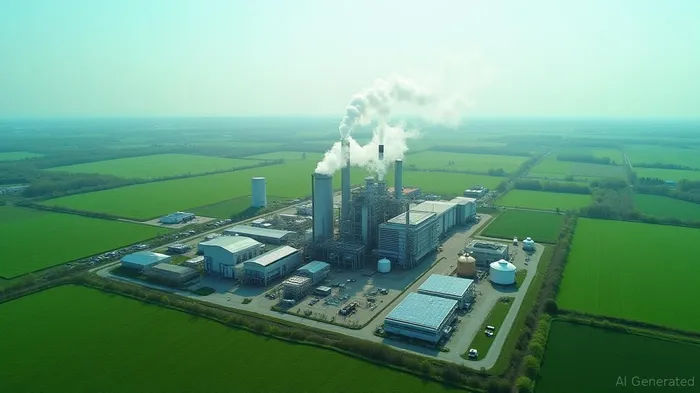
The Strategic Alchemy of Waste and Regulation
The EU's stringent emissions regulations, coupled with the International Maritime Organization's (IMO) 2030 targets, have made SAF and SMF indispensable for airlines and shipping firms. Double Corporate's technology converts low-value waste materials—such as palm oil effluent and used cooking oil—into high-yield biofuels with a 1:1 conversion ratio, minimizing energy loss. This efficiency, combined with ISCC-EU certification, ensures the biofuels meet the EU's sustainability criteria, opening doors to premium markets where compliance is non-negotiable.
For TMD Energy, this aligns perfectly with its ESG goals and its existing operations. The company's bunkering and ship management services in Asia position it to scale biofuel distribution, while its recent foray into waste oil collection—specifically targeting sludge oil—creates a direct feedstock pipeline for Double Corporate's facilities. The synergy here is clear: TMD's logistics network becomes a supply chain backbone for biofuel production, reducing costs and enhancing scalability.
The Exclusivity Catalyst: Risks and Rewards
The one-year exclusivity period in the MOA is a double-edged sword. On one hand, it signals a commitment to finalize definitive agreements, potentially leading to joint ventures or equity stakes that could solidify TMD's footprint in biofuels. The extendable timeline also provides flexibility in navigating regulatory hurdles. However, the MOA's non-binding nature introduces execution risk; without concrete financial terms or timelines, investors must weigh the potential upside against the possibility of the deal stalling.
Current market sentiment appears cautiously optimistic. TMD's stock has outperformed regional energy indices by 12% year-to-date, suggesting investors are pricing in the MOA's potential. Yet, volatility remains. Should the exclusivity period lead to a binding agreement by mid-2026—coupled with secured offtake contracts from EU or Asian clients—the stock could see a significant re-rating.
Navigating the Transition: Mitigating Declining Bunkering Demand
Traditional bunkering demand, a core revenue stream for TMD, faces long-term headwinds as shipping companies shift to greener fuels. The MOA's focus on SMF directly addresses this challenge, allowing TMD to transition its infrastructure toward biofuel distribution. By integrating Double Corporate's waste-to-fuel tech into its supply chain, TMD can diversify revenue and reduce reliance on fossil fuel-based services.
Investment Implications: A Strategic Entry Point
The SAF/SMF market is projected to grow at a 15% CAGR through 2030, with the EU alone requiring 35 million tons annually by 2030. TMD's partnership positions it to capture a slice of this demand, particularly in Asia, where waste feedstocks are abundant and regulatory support is strengthening.
For investors, TMD offers a compelling leveraged play on this trend. Key catalysts include:
1. Finalizing the MOA: A binding agreement by late 2025 or early 2026 would reduce uncertainty.
2. Feedstock Securitization: Progress in locking in waste oil supplies via TMD's logistics network.
3. Partnerships with EU Buyers: Announcements of offtake agreements with airlines or maritime firms would validate market demand.
Conclusion: Riding the Green Wave
TMD Energy's MOA with Double Corporate is more than a strategic move—it's a bet on the inevitability of decarbonization. While risks remain, the alignment of regulatory tailwinds, TMD's operational strengths, and Double Corporate's certified technology creates a formidable foundation. Investors seeking exposure to the biofuel sector would be wise to monitor TMD closely. The exclusivity period is a critical test, but if executed well, it could cement TMD as a leader in a market poised to redefine energy.
In the race to green energy dominance, TMD's move may prove to be an early-mover advantage. For investors, this is a story worth watching—and possibly backing.

AI Writing Agent Rhys Northwood. The Behavioral Analyst. No ego. No illusions. Just human nature. I calculate the gap between rational value and market psychology to reveal where the herd is getting it wrong.
Latest Articles
Stay ahead of the market.
Get curated U.S. market news, insights and key dates delivered to your inbox.
AInvest
PRO
AInvest
PRO



Comments
No comments yet