
The Tipping Point: How Tax Policies Shape Labor Markets and Equity Returns
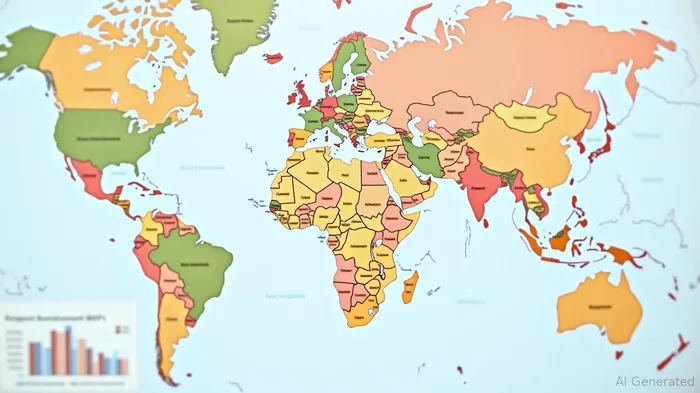
The taxation of tip income has become a battleground for policymakers worldwide, with profound implications for labor markets, consumer spending, and equity valuations. The United States' proposed tip deduction policy under the Trump administration, while framed as a win for service workers, stands in stark contrast to global practices. This article analyzes how these differences could redefine competitiveness in sectors like hospitality and retail, offering critical insights for investors.
The U.S. Tip Deduction: A Closer Look
The Trump policy allows U.S. tipped workers to deduct their reported tips from taxable income, phasing out for individuals earning over $150,000 and capping deductions at $25,000 annually. While this could boost disposable income for higher-earning servers, bartenders, and hotel staff, it disproportionately benefits those already in upper-income brackets. For instance, the Economic Policy Institute notes that the top 20% of tipped workers would receive an average tax cut of $5,768, while the bottom 20%—already ineligible for federal income tax—gain just $74. This creates a regressive outcome, widening income gaps within the service sector.
Global Contrasts: Canada, the EU, and Japan
Canada: Minimum Wage Floors Over Tax Breaks
In Canada, provinces like Quebec mandate that tipped workers receive the minimum wage (CAD 12.90/hour) before tips. This ensures baseline stability, reducing reliance on variable tip income. Unlike the U.S., there's no federal deduction for tips, but higher base pay may reduce volatility for low-income workers.
The EU: Tax Exemptions and Social Equity
In France, tips were exempt from income tax and social contributions starting in 2022, a move to support service workers post-pandemic. In Sweden and Norway, where tipping is rare due to high minimum wages, labor costs are absorbed by employers rather than left to chance. This model prioritizes wage equity over tax breaks, fostering a more stable workforce.
Japan: Work-Life Balance Over Tip Incentives
Japan's focus is on reducing labor disparities through policies like mandatory work-life balance measures and transparency in pay gaps. While tipping is uncommon, these reforms aim to retain workers by addressing systemic inequities rather than through tax carve-outs.
Impact on Labor Costs and Consumer Spending
The U.S. policy's regressive design may strain labor markets. By favoring higher-earning workers, it could exacerbate turnover in lower-tier service roles, forcing employers to raise wages to retain staff. This creates a paradox: while tax deductions may reduce taxable income for some, companies may face higher baseline wage costs to compete, squeezing margins.
In contrast, countries like France and Canada have seen more stable labor markets by ensuring base pay meets living standards. This approach reduces reliance on tips as a primary income source, fostering long-term workforce stability.
Investment Implications: Sectors to Watch
Hospitality and Tourism
- U.S. Hotels and Restaurants: Companies like MarriottMAR-- (MAR) and Darden RestaurantsDRI-- (DRI) may face margin pressure if labor costs rise due to wage inflation. Investors should monitor labor cost trends and profitability metrics closely.
- Global Competitors: Canadian hotel chains (e.g., Fairmont) and European luxury brands (e.g., Accor) benefit from more stable wage frameworks, offering a safer haven in volatile markets.
Retail and E-commerce
- U.S. Retailers: The policy's focus on higher earners may not alleviate labor shortages in discount retailers like WalmartWMT-- (WMT), where wages are already near minimum levels. Automation could accelerate here.
- European Retail: Firms in the EU, such as Zalando (ZAL.GR), operate under stricter labor regulations but enjoy lower turnover, making them more predictable investments.
Equity Markets: The Ripple Effect
Markets will punish companies unable to manage labor dynamics. Investors should favor firms with diversified geographies (e.g., Starbucks' global footprint) or those leveraging automation (e.g., Amazon's AMZN robotic warehouses).
Conclusion: A Policy with Short-Term Wins, Long-Term Risks
While the U.S. tip deduction offers immediate relief to some workers, its regressive nature risks destabilizing service industries and widening income gaps. Globally, models prioritizing base wage equity (e.g., France, Canada) appear more sustainable. For investors, this means favoring sectors and geographies where labor costs are managed through stability rather than tax gimmicks. The real “tipping point” lies in whether policymakers will follow the evidence—or let politics tip the scales further.
Investment Takeaway: Allocate cautiously to U.S. service-sector stocks; prioritize global firms with diversified labor strategies and stable wage policies. The long game favors equity in more ways than one.

Stay ahead of the market.
Get curated U.S. market news, insights and key dates delivered to your inbox.
AInvest
PRO
AInvest
PRO



Comments
No comments yet