
The Tipping Point: How Shifting Consumer Attitudes Are Redefining Hospitality's Revenue Models
The American tipping culture, once a sacrosanct ritual of gratitude, is now a battleground of consumer skepticism. Bankrate's latest survey reveals that 63% of U.S. adults hold at least one negative view about tipping—a 4% rise since 2024—marking a pivotal shift in how consumers perceive fairness, transparency, and worker dignity. For the hospitality sector, this data is not just a barometer of sentiment but a harbinger of existential risk. As businesses grapple with stagnant tip revenue, rising labor costs, and generational divides, the question isn't whether to adapt but how quickly they can pivot to survive.
The Data Behind the Disillusionment
The survey's findings underscore a growing disillusionment with the antiquated tipping system. Key takeaways include:
- 41% of respondents believe businesses should pay employees better instead of relying on tips, a 4% increase from .
- 38% are annoyed by pre-entered tip screens, with 27% reducing tips in such scenarios.
- Gen Z and millennials are far less likely to tip than older generations: Only 25% of Gen Z “always” tip at sit-down restaurants, versus 84% of boomers.
These numbers signal a cultural reckoning. Younger consumers, raised in an era of income inequality and viral labor advocacy, are rejecting a system they view as exploitative. Meanwhile, 16% of respondents would accept higher prices to eliminate tipping entirely—a sentiment that could push businesses toward fixed service charges or flat-rate pricing.
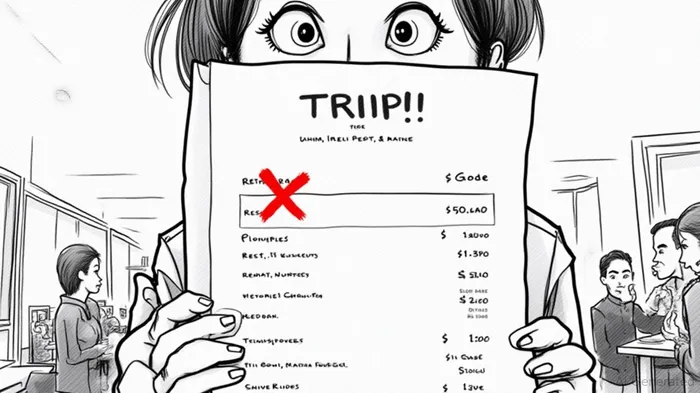
The Generational Divide: A Tipping Point for Workforce Dynamics
The survey's generational split is stark. While 77% of Midwesterners “always” tip at sit-down restaurants, only 25% of Gen Z do—the same as the national average for coffee shop baristas (18%). This divide isn't just about money; it reflects a broader rejection of opaque compensation structures. Younger workers in the hospitality sector are increasingly vocal about fair wages, while younger consumers are less willing to subsidize their employers' labor costs.
For businesses, this means two challenges:
1. Labor Costs: Relying on tips to supplement low wages is becoming riskier as younger workers demand stability.
2. Consumer Trust: Brands that cling to outdated tipping norms risk alienating the next generation of customers.
Companies like Marriott (MAR) and Chipotle (CMG), which have moved toward fixed service charges or higher base wages, may hold an edge. Their stock performance post-pandemic suggests investors are rewarding stability over dependency on volatile tip revenue.
Regional and Gendered Nuances: Navigating the Terrain
The survey also highlights regional and gendered differences:
- Midwesterners tip more frequently than their Southern or Western counterparts.
- Women are more likely to tip for services like haircuts (60% vs. 46% for men).
These insights offer strategic opportunities. Investors should scrutinize regional exposure: chains like Dunkin' (DNKN) or Panera Bread (PNRA) with strong Midwestern footprints may benefit from loyal tippers, while businesses in the West or South might need to innovate faster. Gender preferences also hint at niche markets—salon chains like Regis (RGS) could leverage women's tipping habits through loyalty programs or premium services.
The Investment Playbook: Adapting to the New Normal
The writing is on the wall: hospitality businesses must evolve or face margin erosion. Here's how investors can position themselves:
- Back Companies with Transparent Pricing Models:
- Look for firms adopting fixed service charges (e.g., Restaurant Brands International (QSR)).
Avoid legacy chains still relying heavily on tips, like Wynn Resorts (WYNN), which may struggle with declining tip revenue.
Prioritize Workforce Stability:
Invest in companies with unionized labor or higher base wages (e.g., Walt Disney (DIS)'s recent wage hikes for hospitality workers).
Monitor Regulatory Shifts:
The federal tipped minimum wage remains stuck at $2.13/hour, but states like California and New York have eliminated it. Track legislation in key markets—businesses in compliant states may see fewer labor disruptions.
Leverage Regional Strengths:
- Invest in Midwestern-focused brands while underweighting those in low-tipping regions.
Conclusion: The Tipping Culture Is Collapsing—Will the Industry Rise?
The decline of tipping isn't just a moral issue—it's an economic inevitability. Consumers are voting with their wallets, and businesses must respond with structural changes. For investors, the path forward is clear: favor companies that decouple their revenue models from customer generosity and prioritize worker stability. Those that cling to outdated practices risk becoming relics in a post-tipping economy.
As the data shows, the era of relying on tips to mask labor costs is ending. The next chapter belongs to those willing to adapt.

Stay ahead of the market.
Get curated U.S. market news, insights and key dates delivered to your inbox.
AInvest
PRO
AInvest
PRO



Comments
No comments yet