
Timeless Investing Principles in a Volatile Market: Rediscovering Endurance Amid Modern Uncertainty


 Aime Summary
The Enduring Wisdom of R.W. McNeel
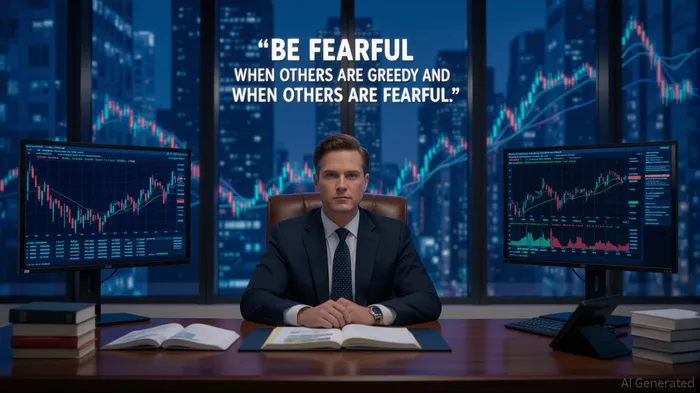
McNeel's treatise, published during the waning days of the Roaring Twenties, offered a blueprint for navigating market cycles through fundamental analysis and self-restraint. He argued that speculative success hinges not merely on technical knowledge but on the investor's ability to "resist emotional impulses" and maintain "independent thought" as McNeel wrote. This emphasis on temperament mirrors Warren Buffett's oft-repeated mantra: "Be fearful when others are greedy and greedy when others are fearful." The parallels are not coincidental. McNeel's assertion that "the real value of securities representing well-managed American industries is increasing all the time" echoes Buffett's belief in compounding and the long-term growth of durable businesses.
McNeel's warnings against emotional decision-making are particularly prescient today. He wrote that investors who lack "the power of independent thought and will" should avoid the stock market altogether, as "unreasoning instincts" often lead to ruin according to McNeel. This sentiment aligns with Buffett's admonition that "until you can manage your emotions, don't expect to manage money" as Buffett stated. In a world where algorithm-driven trading and social media hype can amplify market swings, the need for such discipline is acute.
Buffett's Modern Application of Timeless Principles
Warren Buffett's recent actions during the 2020–2025 market turbulence exemplify these principles in practice. As of 2025, Berkshire Hathaway holds a record $340–$382 billion in cash and short-term investments, a deliberate strategy to wait for "compelling opportunities" amid what Buffett describes as "rich" stock valuations as reported by Investopedia. This patience has led to strategic shifts, such as trimming overvalued positions in Apple while acquiring undervalued sectors like health insurance (UnitedHealth Group) and homebuilding (Lennar Corp, D.R. Horton) according to Investopedia.
 Buffett's approach also underscores the importance of diversification within concentration. While Apple once constituted over 30% of Berkshire's marketable equities portfolio, Buffett has balanced this with investments in operating subsidiaries, creating a "diversified total equity portfolio" that mitigates risk without sacrificing returns as Alpha Architect notes. This strategy reflects McNeel's emphasis on understanding market cycles and aligning one's portfolio with long-term fundamentals rather than short-term noise.
The Resurgence of Value Investing in Volatile Markets
The current market environment has amplified the appeal of value investing. Over the past five years, growth stocks-led by the "Magnificent Seven"-have underperformed as their valuations stretched to unsustainable levels according to American Century. In contrast, value stocks, with their lower price-to-earnings ratios and defensive characteristics, have shown resilience. Morningstar data reveals that more than half of active value managers outperformed the Russell 1000 Value Index between 2020 and 2025, a trend that aligns with historical patterns of value outperformance during economic stress as Dividend.com reports.
This shift is not merely academic. Defensive value sectors like utilities and consumer staples have provided downside protection during market corrections, while dividend yields have become a critical component of total returns according to American Century. As of April 30, 2025, the Russell 1000 Value Index had outperformed its growth counterpart, a reversal that underscores the market's recalibration toward risk-adjusted returns according to American Century.
Actionable Takeaways for Long-Term Wealth Creation
For investors navigating today's volatility, the lessons from McNeel and Buffett are clear:
1. Prioritize Emotional Discipline: Avoid impulsive decisions driven by market sentiment. As McNeel noted, "speculative success depends as much on the character of the speculator as on knowledge of how to win" as McNeel wrote.
2. Focus on Intrinsic Value: Seek companies with durable competitive advantages and strong fundamentals, even if their valuations appear rich. Buffett's shift from "cigar butt" stocks to high-quality businesses like Coca-Cola and Apple illustrates this evolution according to Investing.com.
3. Balance Patience with Opportunity: Maintain a cash buffer to capitalize on undervalued assets when they emerge. Buffett's $9.7 billion investment in Occidental Petroleum's OxyChem business exemplifies this strategy as Investopedia reports.
4. Diversify Thoughtfully: Combine concentrated positions in high-conviction stocks with a diversified portfolio of operating subsidiaries or defensive sectors to manage risk as Alpha Architect notes.
Conclusion
The volatility of the 2020s has not rendered traditional investing principles obsolete; rather, it has reaffirmed their relevance. R.W. McNeel's 1927 insights-rooted in emotional discipline, fundamental analysis, and long-term thinking-resonate powerfully in today's market. Warren Buffett's application of these principles, both in his investment decisions and his public philosophy, offers a roadmap for navigating uncertainty. As investors grapple with the next phase of market evolution, the enduring message is clear: Timeless strategies, when applied with patience and discipline, remain the most reliable path to long-term wealth creation.

Blending traditional trading wisdom with cutting-edge cryptocurrency insights.
Latest Articles
Stay ahead of the market.
Get curated U.S. market news, insights and key dates delivered to your inbox.


AInvest
PRO
AInvest
PRO



Comments
No comments yet