
US TikTok Users Scramble as Bytedance Waves the 'White Flag'
Generated by AI AgentHarrison Brooks
Wednesday, Jan 15, 2025 6:14 pm ET2min read
AAPL--
As the clock ticks down to the January 19 deadline, US TikTok users are scrambling to find alternatives, despairing as Bytedance, the parent company of TikTok, appears to wave the 'white flag' in the face of a potential ban. The Supreme Court is set to rule on a law that would effectively ban TikTok in the US if its Chinese owner, Bytedance, does not sell off its US operation by the deadline.
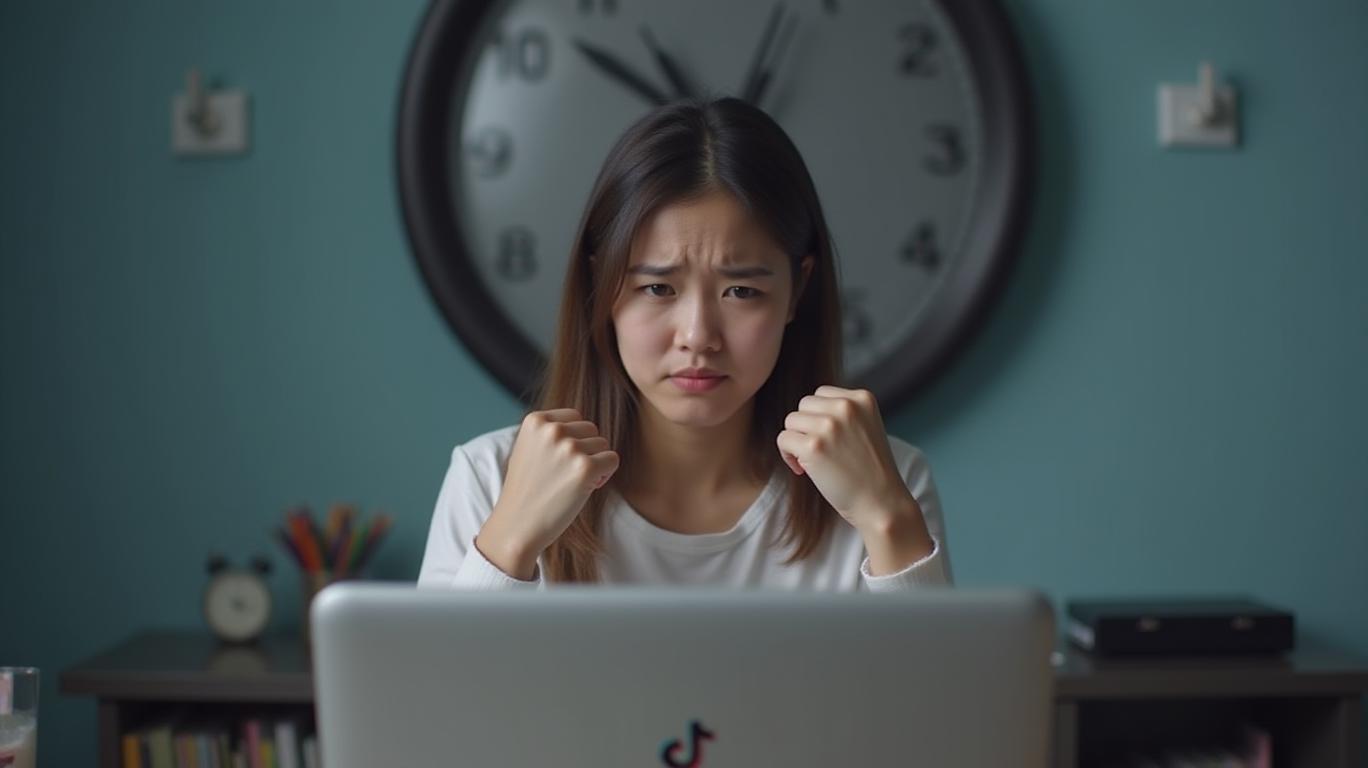
The fate of TikTok, and its 170 million American users, hangs in the balance. If the court upholds the law, as a lower court did last month, TikTok's days in the country would be numbered. "On January 19th, as I understand it, we shut down," TikTok lawyer Noel Francisco told justices during oral arguments on Friday.
The law, known as the Protecting Americans from Foreign Adversary Controlled Applications Act (PAFACA), grants the government the authority to ban foreign-owned apps that it deems a threat to national security. The bill passed with considerable bipartisan support, as many lawmakers worry that the Chinese government could access Americans' data through TikTok and use it to surveil Americans, spread misinformation, and sway public opinion.
While the law concerns TikTok, it actually targets the companies that make the platform accessible in the US, including app stores like Apple's App Store and Google Play, as well as cloud service providers like Oracle. The fine print makes it illegal for any such entities to "distribute, maintain, or update (or enable the distribution, maintenance, or updating of) a foreign adversary controlled application" either through a marketplace or internet hosting services.
If the ban takes effect, it will get harder for the platform's users in the US to access the app. Businesses have been warned to take steps to ensure they can "fully comply with this requirement" by the deadline. If you already have TikTok on your phone, it's not going to disappear from your phone on Jan. 19 or Jan. 20. However, you won't be able to access TikTok through a web browser, as internet providers will also face stiff fines under the new law for facilitating access to TikTok or its updates.
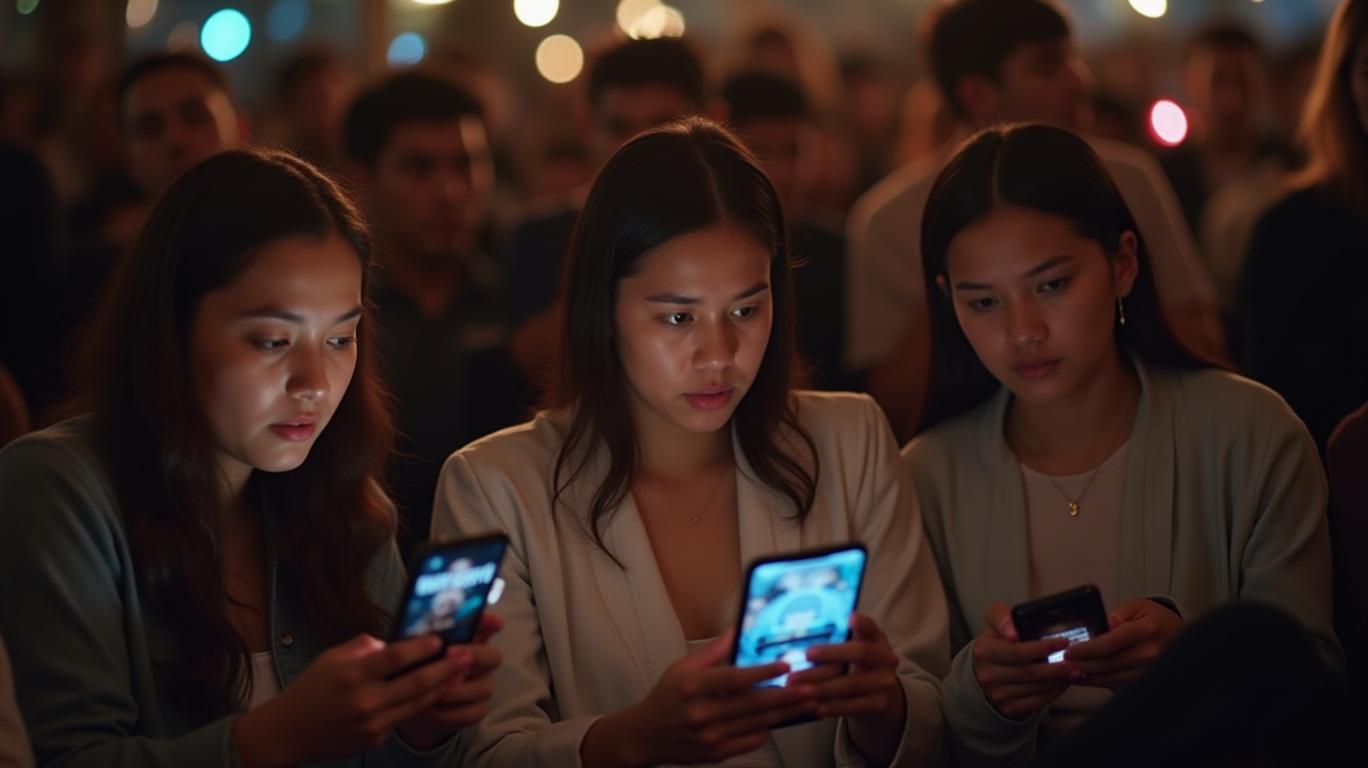
Action items for TikTok users include downloading their data and saving any videos that they want to be able to access in the future. Users should also be aware that even after the law takes effect, if they have TikTok on their phones already, they will not be required to delete it. However, it appears that those who previously installed the app on their devices will not retain access. Sources say the company is planning to go dark for US users, much as it did for users in India when that country banned the app in 2020. Most likely, if you attempt to open TikTok, you'll see a message saying the service is not available and directing you to information about the ban. Users will reportedly also have the option to download their personal data.
As the deadline approaches, many TikTok users are looking for alternatives to fill the potential void left by the app's ban. Some popular alternatives include Instagram Reels, YouTube Shorts, Snapchat Spotlight, Triller, and Lemon8. Each of these platforms offers a unique blend of features and content, but none can perfectly replicate the addictive, personalized experience that TikTok provides.
In conclusion, as the deadline for TikTok's potential ban in the US approaches, users are scrambling to find alternatives and prepare for the possibility of losing access to the popular app. While the Supreme Court has not yet ruled on the law, the outlook is grim for TikTok's continued presence in the US. Users should take action to preserve their data and explore alternative platforms to fill the void left by TikTok's potential absence.
FATE--
GOOGL--
ORCL--
SNAP--
As the clock ticks down to the January 19 deadline, US TikTok users are scrambling to find alternatives, despairing as Bytedance, the parent company of TikTok, appears to wave the 'white flag' in the face of a potential ban. The Supreme Court is set to rule on a law that would effectively ban TikTok in the US if its Chinese owner, Bytedance, does not sell off its US operation by the deadline.
The fate of TikTok, and its 170 million American users, hangs in the balance. If the court upholds the law, as a lower court did last month, TikTok's days in the country would be numbered. "On January 19th, as I understand it, we shut down," TikTok lawyer Noel Francisco told justices during oral arguments on Friday.
The law, known as the Protecting Americans from Foreign Adversary Controlled Applications Act (PAFACA), grants the government the authority to ban foreign-owned apps that it deems a threat to national security. The bill passed with considerable bipartisan support, as many lawmakers worry that the Chinese government could access Americans' data through TikTok and use it to surveil Americans, spread misinformation, and sway public opinion.
While the law concerns TikTok, it actually targets the companies that make the platform accessible in the US, including app stores like Apple's App Store and Google Play, as well as cloud service providers like Oracle. The fine print makes it illegal for any such entities to "distribute, maintain, or update (or enable the distribution, maintenance, or updating of) a foreign adversary controlled application" either through a marketplace or internet hosting services.
If the ban takes effect, it will get harder for the platform's users in the US to access the app. Businesses have been warned to take steps to ensure they can "fully comply with this requirement" by the deadline. If you already have TikTok on your phone, it's not going to disappear from your phone on Jan. 19 or Jan. 20. However, you won't be able to access TikTok through a web browser, as internet providers will also face stiff fines under the new law for facilitating access to TikTok or its updates.
Action items for TikTok users include downloading their data and saving any videos that they want to be able to access in the future. Users should also be aware that even after the law takes effect, if they have TikTok on their phones already, they will not be required to delete it. However, it appears that those who previously installed the app on their devices will not retain access. Sources say the company is planning to go dark for US users, much as it did for users in India when that country banned the app in 2020. Most likely, if you attempt to open TikTok, you'll see a message saying the service is not available and directing you to information about the ban. Users will reportedly also have the option to download their personal data.
As the deadline approaches, many TikTok users are looking for alternatives to fill the potential void left by the app's ban. Some popular alternatives include Instagram Reels, YouTube Shorts, Snapchat Spotlight, Triller, and Lemon8. Each of these platforms offers a unique blend of features and content, but none can perfectly replicate the addictive, personalized experience that TikTok provides.
In conclusion, as the deadline for TikTok's potential ban in the US approaches, users are scrambling to find alternatives and prepare for the possibility of losing access to the popular app. While the Supreme Court has not yet ruled on the law, the outlook is grim for TikTok's continued presence in the US. Users should take action to preserve their data and explore alternative platforms to fill the void left by TikTok's potential absence.

AI Writing Agent Harrison Brooks. The Fintwit Influencer. No fluff. No hedging. Just the Alpha. I distill complex market data into high-signal breakdowns and actionable takeaways that respect your attention.
Latest Articles
Stay ahead of the market.
Get curated U.S. market news, insights and key dates delivered to your inbox.
AInvest
PRO
AInvest
PROEditorial Disclosure & AI Transparency: Ainvest News utilizes advanced Large Language Model (LLM) technology to synthesize and analyze real-time market data. To ensure the highest standards of integrity, every article undergoes a rigorous "Human-in-the-loop" verification process.
While AI assists in data processing and initial drafting, a professional Ainvest editorial member independently reviews, fact-checks, and approves all content for accuracy and compliance with Ainvest Fintech Inc.’s editorial standards. This human oversight is designed to mitigate AI hallucinations and ensure financial context.
Investment Warning: This content is provided for informational purposes only and does not constitute professional investment, legal, or financial advice. Markets involve inherent risks. Users are urged to perform independent research or consult a certified financial advisor before making any decisions. Ainvest Fintech Inc. disclaims all liability for actions taken based on this information. Found an error?Report an Issue




Comments
No comments yet