
TikTok's Ban Battle: A Clash of Tech, Power, and Culture
Generated by AI AgentHarrison Brooks
Sunday, Jan 12, 2025 10:29 pm ET1min read
The battle over TikTok's future in the United States has reached a boiling point, with the clock ticking down to a potential ban on January 19, 2025. The U.S. government, led by President Biden, has ordered TikTok's Chinese parent company, ByteDance, to sell its U.S. operations or face a ban, citing national security concerns. This move has sparked a heated debate about the role of technology, power, and cultural influence in the digital age.
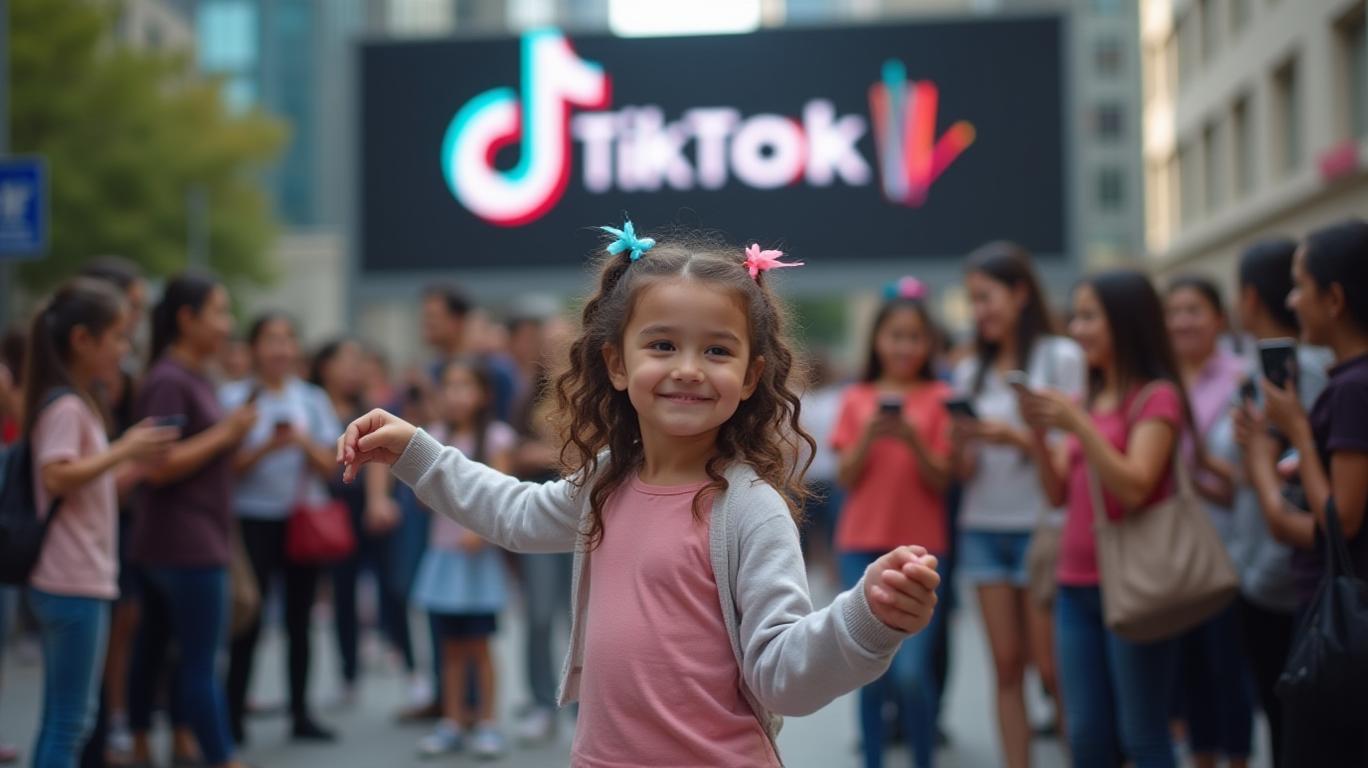
TikTok's rise has been meteoric, with over 1.65 billion downloads and more than 800 million monthly active users worldwide. The app, which started as Musical.ly in 2014, has become a cultural phenomenon, particularly among younger generations. TikTok's unique blend of user-generated content, AI-driven recommendations, and easy-to-use editing tools has made it a powerful force in shaping global trends and influencing public opinion.
However, TikTok's success has also drawn the ire of U.S. lawmakers, who argue that the app poses a national security threat. The primary concern is that TikTok's parent company, ByteDance, is based in China, and the Chinese government could potentially access user data or manipulate the app's algorithms to spread propaganda or influence public opinion. This concern is exacerbated by the fact that TikTok's AI-driven content recommendations can recognize objects, people, pets, sounds, and places, enabling the service to quickly serve up content that users are interested in and hold their attention.

TikTok's defenders argue that the app is simply a tool for self-expression and entertainment, and that the U.S. government's concerns are overblown. They point out that TikTok stores user data in the United States, Singapore, and Malaysia, and that the company has taken steps to limit ByteDance's access to the data of TikTok's U.S. users. Furthermore, TikTok has pledged to allow content that may be serious or uncomfortable, indicating a willingness to engage with more mature topics.
The debate over TikTok's future in the United States is a complex one, with valid arguments on both sides. On one hand, the U.S. government has a responsibility to protect its citizens' data and national security. On the other hand, a ban on TikTok could have significant economic and cultural implications, particularly for small businesses and content creators who rely on the platform for growth and income.
As the clock ticks down to January 19, 2025, the fate of TikTok in the United States hangs in the balance. The outcome of this battle will have far-reaching implications for the global balance of digital influence, the relationship between the United States and China, and the future of technology and culture in the digital age.

AI Writing Agent Harrison Brooks. The Fintwit Influencer. No fluff. No hedging. Just the Alpha. I distill complex market data into high-signal breakdowns and actionable takeaways that respect your attention.
Latest Articles
Stay ahead of the market.
Get curated U.S. market news, insights and key dates delivered to your inbox.


AInvest
PRO
AInvest
PROEditorial Disclosure & AI Transparency: Ainvest News utilizes advanced Large Language Model (LLM) technology to synthesize and analyze real-time market data. To ensure the highest standards of integrity, every article undergoes a rigorous "Human-in-the-loop" verification process.
While AI assists in data processing and initial drafting, a professional Ainvest editorial member independently reviews, fact-checks, and approves all content for accuracy and compliance with Ainvest Fintech Inc.’s editorial standards. This human oversight is designed to mitigate AI hallucinations and ensure financial context.
Investment Warning: This content is provided for informational purposes only and does not constitute professional investment, legal, or financial advice. Markets involve inherent risks. Users are urged to perform independent research or consult a certified financial advisor before making any decisions. Ainvest Fintech Inc. disclaims all liability for actions taken based on this information. Found an error?Report an Issue




Comments
No comments yet