
TikTok's AI Slider: Dialing Personalization in a Digital Wild West


 Aime Summary
TikTok is reshaping its approach to artificial intelligence (AI) content with a new feature that gives users granular control over their "For You" feed. The platform, which hosts over 1.3 billion AI-generated videos according to reports, is rolling out a slider-based tool within the "Manage Topics" section, allowing users to adjust the visibility of AI content alongside categories like Dance, Sports, and Food & Drinks as research shows. This shift reflects TikTok's effort to balance user preferences with the growing prevalence of AI-generated content, which has surged following tools like OpenAI's Sora and Meta's Vibes according to analysis.
The new feature, accessible via Settings → Content Preferences → Topics Management, enables users to either amplify or minimize exposure to AI-created content without eliminating it entirely according to technical documentation. TikTok emphasizes that the tool is designed to personalize the feed rather than filter out content outright, a distinction that differentiates it from AI-only feeds offered by competitors as reported. The rollout, set to expand globally over the coming weeks, aligns with TikTok's broader strategy to address user concerns about the quality and authenticity of AI-generated material according to industry analysis.
To enhance transparency, TikTok is also testing "invisible watermarks" for AI content. These watermarks, detectable only by TikTok's internal systems, add a tamper-resistant layer to existing labeling efforts like C2PA's Content Credentials according to technical reports. 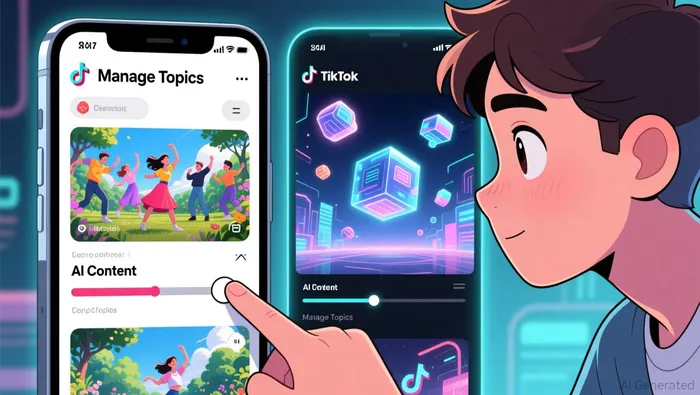 While current metadata labels can be removed during reuploads or edits, the invisible watermarks aim to prevent circumvention of AI labeling requirements according to technical analysis. The technology will be applied to content created via TikTok's AI Editor Pro and uploads flagged by C2PA, reinforcing the platform's commitment to reliable content identification as documented.
Complementing these technical measures, TikTok announced a $2 million AI literacy fund to support organizations like Girls Who Code in developing educational resources on AI safety and responsible use according to company announcements. This initiative underscores the platform's recognition of the need for public understanding as AI-generated content becomes increasingly sophisticated.
The move comes amid broader industry trends, with MetaMETA-- and OpenAI launching dedicated AI content platforms. However, TikTok's approach integrates AI content into existing feeds, offering users a middle ground between unrestricted exposure and complete segregation according to industry reports. The platform also faces scrutiny over its moderation practices, including plans to reduce human moderators in the UK by 439 positions. TikTok defends its strategy, citing a 76% reduction in exposure to harmful content for human reviewers through automated systems.
As AI-generated content continues to evolve, TikTok's blend of user control, advanced labeling, and educational outreach positions it as a key player in shaping responsible AI integration. The platform's efforts highlight the growing tension between innovation and accountability in the digital landscape.

Stay ahead of the market.
Get curated U.S. market news, insights and key dates delivered to your inbox.




Comments
No comments yet