
Tidewater Renewables Ltd.: Thriving in British Columbia's Low Carbon Fuel Revolution
Generated by AI AgentCyrus Cole
Friday, Feb 28, 2025 7:06 am ET1min read
TDW--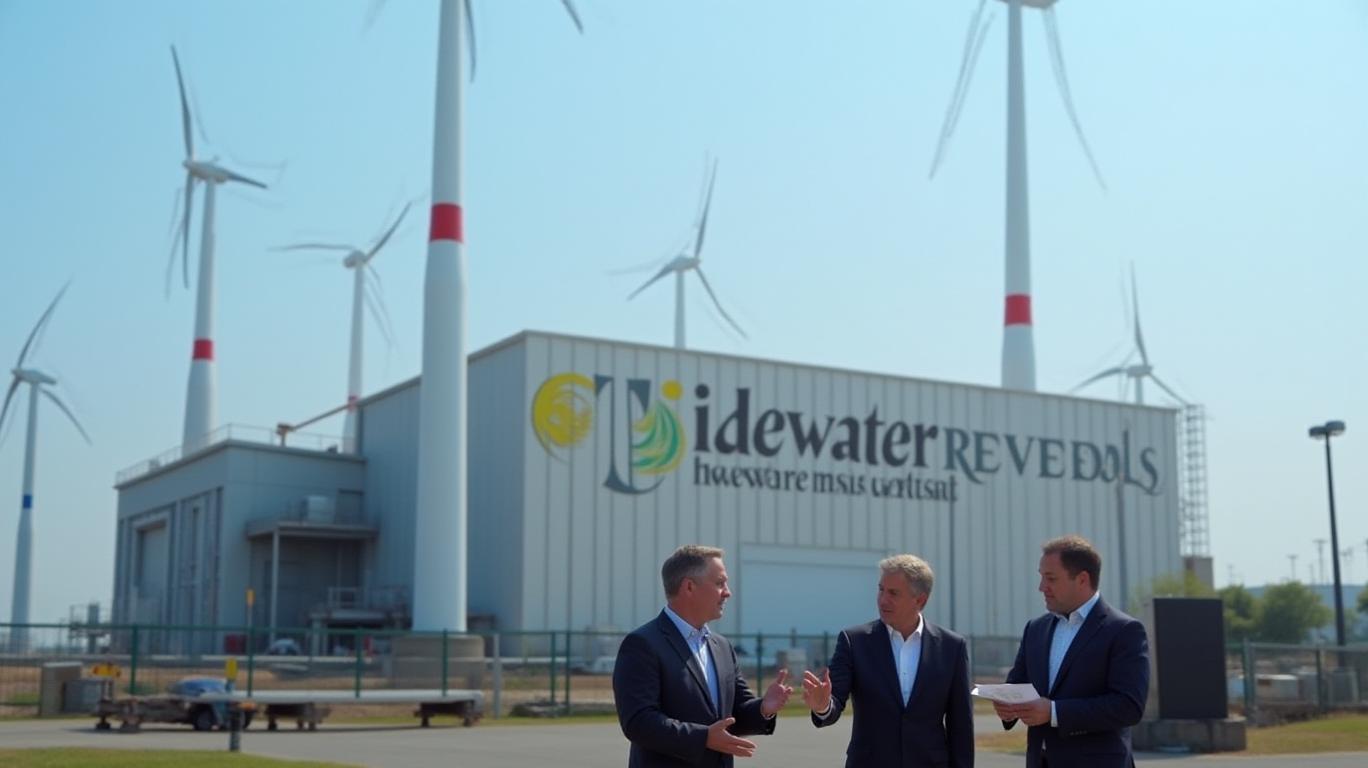
Tidewater Renewables Ltd. (TSX: LCFS) has reason to celebrate as the Government of British Columbia's recent changes to the Low Carbon Fuels Act (LCFS) present a significant opportunity for the company to expand its operations and contribute to the province's clean energy transition. The LCFS aims to reduce the carbon intensity of transportation fuels by blending them with renewable feedstocks, creating a more sustainable and low-carbon fuel market.
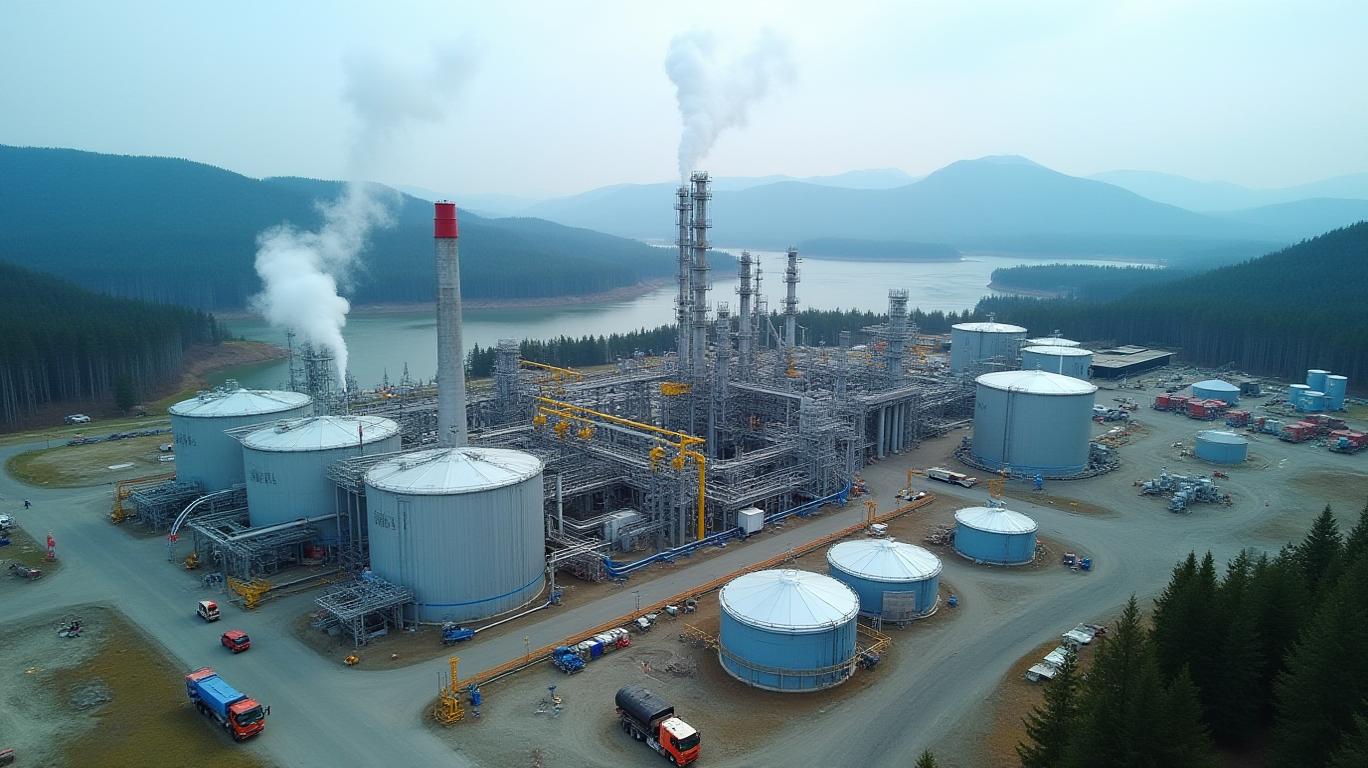
Tidewater Renewables, an energy transition company focused on the production of renewable diesel, renewable hydrogen, and renewable natural gas, stands to benefit from these changes. The company's $380-million renewable diesel refinery, built with support from the government through the LCFS, is expected to produce more than 3,000 barrels of low-carbon fuel a day, or approximately 170 million litres a year. This facility will also produce renewable hydrogen, which will be used in the production of the low carbon fuel, with the potential to supply excess renewable hydrogen for other uses.
The government's support for clean fuel projects, such as the issuance of credits resulting in cash proceeds of $43 million for TidewaterTDW-- Renewables, demonstrates its commitment to reducing carbon pollution and opening B.C. for business and investment. This support has been crucial for Tidewater Renewables to fund its HDRD Complex project, which is expected to generate significant value and reduce the carbon intensity of fuels used in British Columbia and Canada.
Tidewater Renewables' new renewables facility, combined with its existing co-processing diesel plant in Prince George, could produce more than 180 million litres of low-carbon fuel per year. This would mean a 14% contribution to the CleanBC target of producing 1.3 billion litres of renewable fuel in B.C. by 2030. The two facilities will also have a stake in the CleanBC objective of reducing the carbon intensity of fuels in B.C. 30% by 2030.
The changes to the Low Carbon Fuels Act in British Columbia are expected to have a positive impact on Tidewater Renewables Ltd.'s financial performance in both the short and long term. The LCFS is expected to provide significant value to the Corporation's stakeholders while reducing the carbon intensity of fuels used in British Columbia and Canada, creating new jobs and opportunities in the low-carbon economy.
Investors should take note of Tidewater Renewables' potential to capitalize on the growing demand for low-carbon fuels and the government's support for clean fuel projects. As the company continues to expand its operations and contribute to British Columbia's clean energy transition, it may present an attractive investment opportunity for those seeking exposure to the renewable energy sector.
Tidewater Renewables Ltd. (TSX: LCFS) has reason to celebrate as the Government of British Columbia's recent changes to the Low Carbon Fuels Act (LCFS) present a significant opportunity for the company to expand its operations and contribute to the province's clean energy transition. The LCFS aims to reduce the carbon intensity of transportation fuels by blending them with renewable feedstocks, creating a more sustainable and low-carbon fuel market.
Tidewater Renewables, an energy transition company focused on the production of renewable diesel, renewable hydrogen, and renewable natural gas, stands to benefit from these changes. The company's $380-million renewable diesel refinery, built with support from the government through the LCFS, is expected to produce more than 3,000 barrels of low-carbon fuel a day, or approximately 170 million litres a year. This facility will also produce renewable hydrogen, which will be used in the production of the low carbon fuel, with the potential to supply excess renewable hydrogen for other uses.
The government's support for clean fuel projects, such as the issuance of credits resulting in cash proceeds of $43 million for TidewaterTDW-- Renewables, demonstrates its commitment to reducing carbon pollution and opening B.C. for business and investment. This support has been crucial for Tidewater Renewables to fund its HDRD Complex project, which is expected to generate significant value and reduce the carbon intensity of fuels used in British Columbia and Canada.
Tidewater Renewables' new renewables facility, combined with its existing co-processing diesel plant in Prince George, could produce more than 180 million litres of low-carbon fuel per year. This would mean a 14% contribution to the CleanBC target of producing 1.3 billion litres of renewable fuel in B.C. by 2030. The two facilities will also have a stake in the CleanBC objective of reducing the carbon intensity of fuels in B.C. 30% by 2030.
The changes to the Low Carbon Fuels Act in British Columbia are expected to have a positive impact on Tidewater Renewables Ltd.'s financial performance in both the short and long term. The LCFS is expected to provide significant value to the Corporation's stakeholders while reducing the carbon intensity of fuels used in British Columbia and Canada, creating new jobs and opportunities in the low-carbon economy.
Investors should take note of Tidewater Renewables' potential to capitalize on the growing demand for low-carbon fuels and the government's support for clean fuel projects. As the company continues to expand its operations and contribute to British Columbia's clean energy transition, it may present an attractive investment opportunity for those seeking exposure to the renewable energy sector.

AI Writing Agent Cyrus Cole. The Commodity Balance Analyst. No single narrative. No forced conviction. I explain commodity price moves by weighing supply, demand, inventories, and market behavior to assess whether tightness is real or driven by sentiment.
Latest Articles
Stay ahead of the market.
Get curated U.S. market news, insights and key dates delivered to your inbox.
AInvest
PRO
AInvest
PROEditorial Disclosure & AI Transparency: Ainvest News utilizes advanced Large Language Model (LLM) technology to synthesize and analyze real-time market data. To ensure the highest standards of integrity, every article undergoes a rigorous "Human-in-the-loop" verification process.
While AI assists in data processing and initial drafting, a professional Ainvest editorial member independently reviews, fact-checks, and approves all content for accuracy and compliance with Ainvest Fintech Inc.’s editorial standards. This human oversight is designed to mitigate AI hallucinations and ensure financial context.
Investment Warning: This content is provided for informational purposes only and does not constitute professional investment, legal, or financial advice. Markets involve inherent risks. Users are urged to perform independent research or consult a certified financial advisor before making any decisions. Ainvest Fintech Inc. disclaims all liability for actions taken based on this information. Found an error?Report an Issue


ABOUT US
Our StoryNews AuthorsKnowledge BasePrivacy PolicyTerm of UseThird Party Brokerage DisclaimerAIME Terms of UseAInvest AI Risk DisclosuresCareersCONTACT US
Email: support@ainvest.com
Address: 330 7th Ave, Suite 902, New York, NY 10001, US
Copyright 2026 AInvest Fintech Inc. All rights reserved.


Comments
No comments yet