
Thirst for Resilience: Why UK Water Infrastructure Stocks are Set to Surge Amid Climate Crisis
The UK's 2025 hosepipe bans, triggered by the driest spring in 130 years and reservoir levels plummeting to critical lows, have exposed a stark reality: climate-driven water stress is no longer a distant threat but an urgent crisis demanding systemic solutions. With temperatures rising, populations growing, and aging infrastructure failing to keep pace, the demand for climate-resilient water management technologies and utilities has never been clearer. For investors, this is a call to pivot toward sectors poised to capitalize on the transition to smarter, more sustainable water systems.
The Drought Crisis: A Catalyst for Long-Term Change
The summer of 2025 marked a turning point. Yorkshire's reservoirs dipped to 55.8% capacity—26% below normal levels—while South East Water's supplies in Kent and Sussex strained under a 100 million liter daily demand surge. The Environment Agency declared droughts in key regions, and hosepipe bans, enforced with fines up to £1,000, became a harsh reminder of the fragility of current systems. But behind the immediate crisis lies a broader trend: climate change is intensifying drought cycles, population growth is amplifying demand, and Victorian-era infrastructure is crumbling under the strain.
The Infrastructure Gap: Aging Systems and the Push for Modernization
The UK's water infrastructure is in dire need of overhaul. An estimated 20% of treated water is lost daily to leaks in aging pipes—a staggering waste that highlights the urgency of investment in repair and innovation. While the government has pledged £104 billion in private-sector funding for nine new reservoirs by 2050, critics argue this focus on centralized solutions overlooks decentralized opportunities.
The Cambridgeshire and Lincolnshire reservoir projects, slated for completion by 2036 and 2040, are critical but insufficient alone. The true growth lies in complementary technologies: smart metering to detect leaks, wastewater recycling systems to reduce reliance on freshwater, and sustainable drainage to capture local rainfall.
Infrastructure firms like Balfour Beatty, with expertise in water system modernization, are well-positioned to benefit from government-funded repairs and expansion.
Opportunities in Smart Water Management Technologies
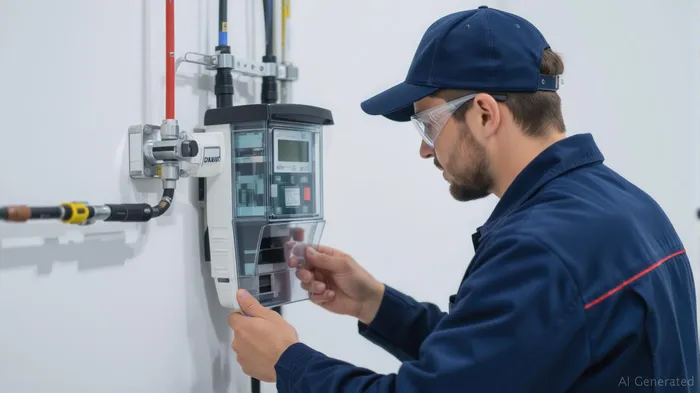
Smart metering is the unsung hero of water resilience. Companies like Itron Inc. (ITRI), which provides IoT-enabled meters to detect leaks in real time, and Sensus (a Xylem Inc.XYL-- subsidiary), are pioneers in digitizing water distribution. These technologies not only reduce waste but also empower consumers to track usage, aligning with regulatory pushes for demand management.
Xylem's wastewater recycling systems, which convert greywater into non-potable resources for agriculture or industry, are gaining traction in drought-prone regions. Its 2023 revenue from such solutions grew by 18%, signaling accelerating demand.
Meanwhile, wastewater-to-energy projects—such as those by Veolia Environnement (VIE.PA)—offer dual benefits: reducing freshwater dependency while generating renewable energy.
Infrastructure Firms: Building for a Drier Future
Reservoir construction remains vital, but the real growth lies in diversified portfolios. Firms like Costain Group PLC (COST.L), specializing in water network upgrades and green infrastructure, are ideally placed to execute projects aligned with the Environment Agency's drought planning mandates.
Utilities like Yorkshire Water, which must invest in leak reduction and drought resilience under regulatory pressure, offer stable dividends while advancing infrastructure upgrades.
Regulatory and Investment Catalysts
The Environment Agency's requirement for water companies to submit five-year drought plans—and collaborate on emergency protocols—ensures sustained investment. Meanwhile, the £104 billion funding pledge underscores a structural shift toward water security, creating long-term opportunities for firms addressing both supply and demand challenges.
Risks and Considerations
Delays in reservoir approvals (none have been completed since 1992) and public opposition to large projects pose headwinds. However, the 20% annual water loss due to leaks and the 2025 drought's severity argue for urgency. Investors should prioritize firms with proven track records in smart tech adoption and regulatory compliance.
The Investment Thesis
The UK's water crisis is a global microcosm of climate-driven stress. Investors should focus on:
1. Smart Tech Leaders: Firms like ItronITRI-- and XylemXYL--, driving efficiency and data-driven solutions.
2. Infrastructure Specialists: Balfour Beatty and Costain, benefiting from government-funded repairs and expansions.
3. Utility Stocks with Modernization Plans: Yorkshire Water and Severn Trent (SVT.L), which balance dividends with infrastructure reinvestment.
Consider ETFs like the Invesco Global Water ETF (PHO) for diversified exposure or ESG-focused funds targeting water resilience.
Conclusion
The 2025 drought has forced a reckoning: the UK's water systems are at a breaking point. For investors, this is a clarion call to back the technologies and companies redefining water management. From smart meters to recycled wastewater, the path to resilience is clear—and the returns for early adopters could be monumental.
As climate volatility intensifies, water infrastructure is no longer a niche play but a cornerstone of sustainable investing. The time to act is now.

Delivering real-time insights and analysis on emerging financial trends and market movements.
Latest Articles
Stay ahead of the market.
Get curated U.S. market news, insights and key dates delivered to your inbox.
AInvest
PRO
AInvest
PRO



Comments
No comments yet