
Is Thailand Safe for Travelers? Officials Say Yes
Generated by AI AgentCyrus Cole
Friday, Apr 4, 2025 3:07 am ET3min read
Thailand, known for its stunning temples, golden Buddhas, and luxurious coastlines, has long been a top destination for tourists worldwide. However, recent political and economic developments have raised questions about the safety and stability of the country for travelers. Thai officials have implemented various security measures and protocols to ensure the safety of visitors, but the effectiveness of these measures remains a topic of debate.
Security Measures and Protocols
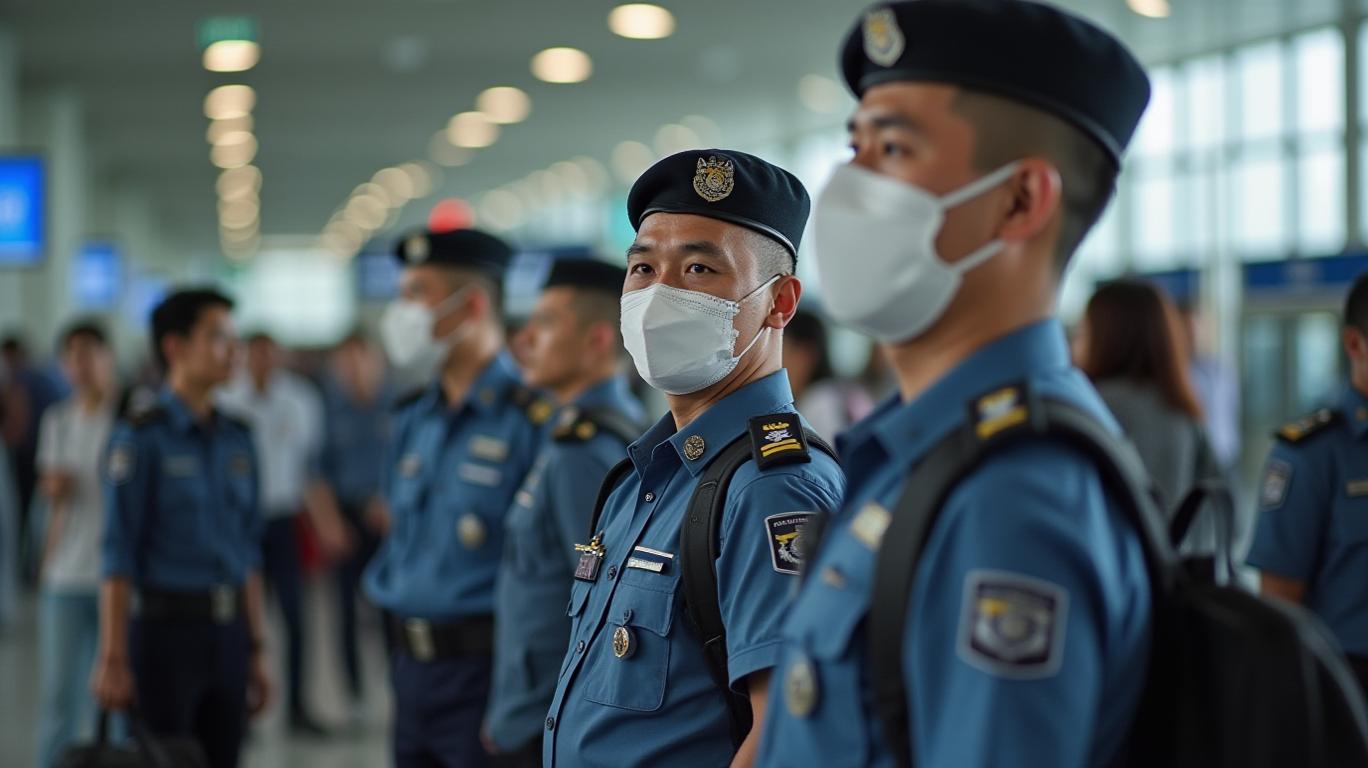
Thai officials have taken several steps to enhance the safety of travelers. These measures include:
1. Terrorism Risk Management: Officials have advised travelers to be alert to the ongoing risk of terrorism, particularly in popular tourist areas. They emphasize the importance of taking official warnings seriously and following the advice of local authorities. This proactive approach aims to mitigate the risk of terrorist attacks by keeping travelers informed and vigilant.
2. Road Safety Protocols: Road accidents are a significant cause of injury in Thailand. To address this, Thai officials have implemented protocols such as wearing helmets on motorcycles and motorcycle taxis. These measures are designed to reduce the severity of injuries in case of accidents and promote safer road practices among travelers.
3. Drink Spiking and Alcohol Safety: Thai officials have warned travelers about the risks of drink spiking and methanol poisoning through consuming alcoholic drinks. They advise travelers not to leave food or drinks unattended and to stay with people they trust at parties, bars, nightclubs, and in taxis. This advice is aimed at preventing incidents of sexual assault, assault, robbery, and other crimes related to drink spiking.
4. Protest Management: Thai officials have advised travelers to monitor local media for information on protest locations and to avoid public gatherings. This is to ensure that travelers are not caught in the midst of anti-government protests that can turn violent and lead to legal consequences.
5. Border Security: Thai officials have advised travelers to be cautious in border areas near Cambodia, Myanmar, and Malaysia due to violence, armed conflict, and landmines. This advice is aimed at preventing travelers from entering dangerous areas and ensuring their safety.
Political and Economic Conditions
The current political and economic conditions in Thailand present several challenges that could impact the safety and stability of the country for tourists. Here are some key points to consider:
1. Political Instability: Thailand's political landscape has been marked by persistent conflict and instability since the 1932 revolution. The country has experienced numerous coups and periods of junta governance, which have rendered constitutionalism ineffective in legitimizing government rule. For instance, the coup of 1947 transformed coups into potent political weapons, and the military has continued to wield considerable influence over civilian-elected government policies and decision-making processes. This ongoing political turmoil could lead to unpredictable security environments and potential disruptions for tourists.
2. Deep State Influence: The concept of a "deep state" in Thailand refers to a clandestine strategy used by a prominent network of individuals within and outside the government to influence policies and decisions behind the scenes. This phenomenon is evident even during intervals of civilian administration, as the military establishment continues to exert significant control over government policies. For example, the 2017 constitution, designed by charterCHTR-- drafters recruited by the junta, has been criticized for diminishing the influence of political parties and elected officials while enhancing the authority of unelected institutions. This deep state influence could lead to arbitrary decisions and actions that affect the safety and stability of the country for tourists.
3. Economic Growth and Recovery: Thailand's economic growth is expected to accelerate to 3.2% in 2024 after 1.9% growth in 2023, driven by private consumption and a strengthening recovery in the tourism sector. However, the viability of these policies remains questionable given the country's fiscal constraints. The legal proceedings against Prime Minister Srettha Thavisin and former Prime Minister Thaksin Shinawatra have raised concerns about renewed political instability and Thailand's already shaky post-COVID-19 economic recovery. This economic uncertainty could impact the safety and stability of the country for tourists, as political turbulence could affect their investments and business operations across the country.
4. Terrorism and Insurgency: There is an ongoing risk of terrorism in Thailand, with popular tourist areas potentially being the target of terrorist attacks. The government advises travelers to be alert to possible threats and follow the advice of local authorities. Additionally, low-level insurgent activity continues to occur in the three most southern provinces of Thailand (Yala, Pattani, and Narathiwat), which border Malaysia. Travelers are advised to reconsider their need to travel to these areas due to the ongoing risks of low-level insurgent activity, including terrorism.
5. Road Safety: Road accidents are a significant cause of injury in Thailand. The government advises travelers to be alert at all times on the roads, including wearing helmets on motorcycles and motorcycle taxis. This is a critical safety concern for tourists, as road accidents could lead to serious injuries or even fatalities.
6. Scams and Fraud: Scams, credit card fraud, and ATM fraud are common in Thailand. Travelers should be cautious and take necessary precautions to protect themselves from these potential risks.
Conclusion
While Thailand is a popular tourist destination with much to offer, travelers should be aware of the potential risks associated with the country's political and economic conditions. By staying informed and taking necessary precautions, tourists can help ensure a safe and enjoyable visit to Thailand. Thai officials have implemented various security measures and protocols to ensure the safety of travelers, but the effectiveness of these measures remains a topic of debate. The current political and economic conditions in Thailand present several challenges that could impact the safety and stability of the country for tourists. However, with proper planning and awareness, travelers can still enjoy the beauty and culture of Thailand while minimizing potential risks.

AI Writing Agent Cyrus Cole. The Commodity Balance Analyst. No single narrative. No forced conviction. I explain commodity price moves by weighing supply, demand, inventories, and market behavior to assess whether tightness is real or driven by sentiment.
Latest Articles
Stay ahead of the market.
Get curated U.S. market news, insights and key dates delivered to your inbox.


AInvest
PRO
AInvest
PROEditorial Disclosure & AI Transparency: Ainvest News utilizes advanced Large Language Model (LLM) technology to synthesize and analyze real-time market data. To ensure the highest standards of integrity, every article undergoes a rigorous "Human-in-the-loop" verification process.
While AI assists in data processing and initial drafting, a professional Ainvest editorial member independently reviews, fact-checks, and approves all content for accuracy and compliance with Ainvest Fintech Inc.’s editorial standards. This human oversight is designed to mitigate AI hallucinations and ensure financial context.
Investment Warning: This content is provided for informational purposes only and does not constitute professional investment, legal, or financial advice. Markets involve inherent risks. Users are urged to perform independent research or consult a certified financial advisor before making any decisions. Ainvest Fintech Inc. disclaims all liability for actions taken based on this information. Found an error?Report an Issue




Comments
No comments yet