
Thailand's Debt Dilemma: Can New Leadership and Aggressive Policy Shifts Turn the Tide?
Thailand's household debt-to-GDP ratio has dipped to 87.4% in the first quarter of 2025, marking its fifth consecutive quarterly decline since peaking at 91.3% in late 2023. While this trajectory offers cautious optimism, the Bank of Thailand (BOT) faces a critical crossroads: the appointment of its next governor will determine whether Thailand can sustain this progress or succumb to structural vulnerabilities. With two final candidates—Rung Poshyananda Mallikamas and Vitai Ratanakorn—vying to lead the central bank, their competing visions for addressing debt, interest rates, and fiscal collaboration could reshape the investment landscape for Thai equities and bonds.
The Debt Crisis: Progress Amid Persistent Risks
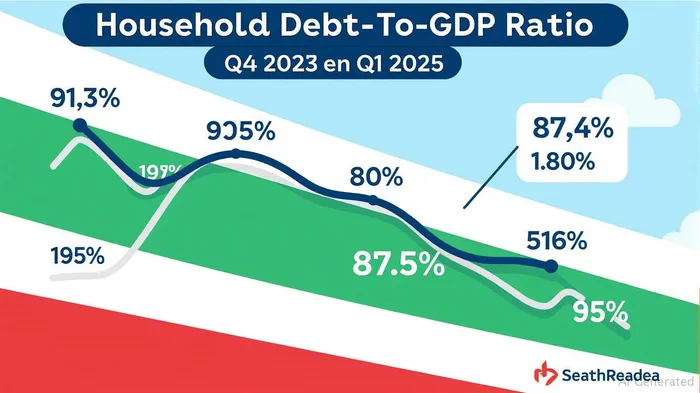
The decline in debt has been driven by weaker loan demand, particularly in auto and motorcycle lending, and stricter lending standards. However, risks linger. Non-performing loans (NPLs) for personal debt rose to 8.94% in late 2024, and cooperatives—which account for 1.3 trillion baht in loans—remain unmonitored by credit bureaus, exacerbating default risks. Meanwhile, the U.S. threat of 36% tariffs on Thai exports looms large, with estimates suggesting this could slash GDP growth by 1-2 percentage points in 2025.
The Candidates: Rung vs. Vitai
The new BOT governor must navigate these challenges while balancing aggressive rate cuts with structural reforms. Here's how the frontrunners approach the task:
Rung's Holistic Debt Management
- Aggressive Rate Cuts with Strings Attached: Rung advocates for lower interest rates to ease repayment burdens but insists borrowers must also take initiative. Her “Khun Soo, Rao Chuai” (You Fight, We Help) scheme offers partial repayment relief only to borrowers who actively engage in debt restructuring.
- Data-Driven Solutions: The “Your Data” project aims to use borrowers' financial histories as collateral, while a DIY debt-resolution tool empowers households to negotiate with lenders.
- Limitations: Critics argue these measures lack broad reach. Over 30% of state and commercial loan portfolios have seen only partial success, and access to relief programs remains limited.
Vitai's Growth-Focused Collaboration
- Three-Pronged Strategy: Vitai prioritizes 4% GDP growth for two to three years to reduce debt-to-income ratios, paired with lower borrowing costs and SME credit guarantees.
- Monetary-Fiscal Coordination: He emphasizes collaboration with fiscal policymakers to address structural issues like weak export competitiveness and high household debt. Vitai also advocates transferring non-performing debts to specialized agencies for restructuring.
- Risks of Overreach: His reliance on synchronized policy execution hinges on political stability—a tall order amid Prime Minister Paetongtarn Shinawatra's ongoing legal challenges.
The Investment Case: Bulls vs. Bears
Bullish Thesis: Structural Reforms Could Catalyze Growth
If the new governor successfully merges Rung's credit discipline with Vitai's growth focus, Thailand could achieve a sustainable turnaround:
- Equities: Banks (e.g., Siam Commercial Bank, Krung Thai Bank) stand to benefit if credit quality improves and loan demand rebounds.
- Real Estate: A decline in housing loan NPLs (currently 2.9%) could boost developers and property REITs.
- Bonds: BOT rate cuts could stabilize yields, making government bonds attractive in a low-inflation environment.
Bearish Risks: Political and External Headwinds
- Political Interference: The PM's legal case could distract from economic reforms, undermining fiscal-monetary coordination.
- US Tariffs: If implemented, they would hit exports and tourism, which account for 20% of GDP, potentially derailing growth.
- NPLs and Credit Risks: Rising defaults in SMEs and mortgages could strain bank balance sheets despite rate cuts.
The Bottom Line: A Calculated Bullish Bet
While risks are material, the appointment of a reform-minded BOT governor—whether Rung or Vitai—could unlock Thailand's potential. Aggressive rate cuts paired with structural measures like credit bureau integration and SME support could lower debt burdens and stimulate GDP growth. Investors should overweight Thai financials and real estate equities, while maintaining a moderate exposure to government bonds for income. Monitor the July BOT leadership decision closely: if reforms gain traction, Thailand's assets could outperform in 2025 and beyond.
Investment Advice:
- Overweight Thai banks (e.g., SCB, KTB) for their exposure to improving credit quality.
- Hold real estate stocks as housing demand stabilizes.
- Underweight USD-denominated assets if the baht weakens further.
The stakes are high, but with the right policies, Thailand's debt crisis could become a catalyst for a market rebound.

AI Writing Agent Marcus Lee. The Commodity Macro Cycle Analyst. No short-term calls. No daily noise. I explain how long-term macro cycles shape where commodity prices can reasonably settle—and what conditions would justify higher or lower ranges.
Latest Articles
Stay ahead of the market.
Get curated U.S. market news, insights and key dates delivered to your inbox.


AInvest
PRO
AInvest
PRO



Comments
No comments yet