
Thailand's Cannabis Crackdown: Navigating Regulatory Risks and Consolidation Opportunities
The Thai cannabis industry, once a beacon of progressive policy experimentation, now faces a dramatic reversal. As of late 2025, the government has reclassified cannabis flower buds as a controlled substance, criminalizing recreational use and tightening regulatory oversight to an unprecedented degree. This shift—driven by public health concerns, political realignment, and backlash against unregulated growth—poses significant risks for investors but also opens pathways for strategic consolidation.
A Regulatory Sea Change
The new rules, effective November 2025, mark a sharp pivot from the 2022 liberalization that allowed recreational use. Key changes include:
- Criminalization of Recreational Use: Possession and sale of cannabis flowers (high in THC) now require medical prescriptions issued by licensed professionals.
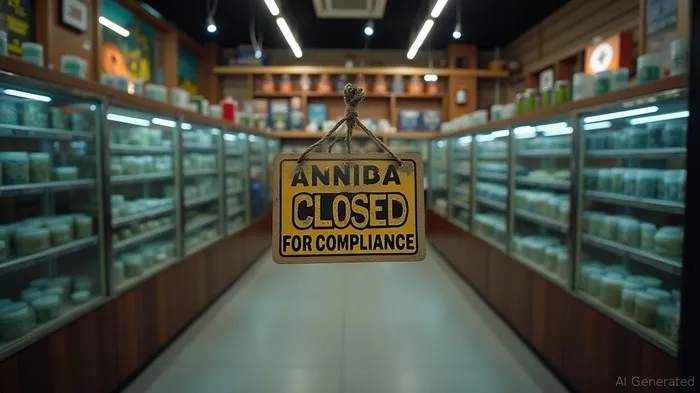
- Strict Licensing: Over 18,000 dispensaries—many operating without permits—will be forced to close unless they comply with new requirements, such as on-site doctors for prescription verification and monthly inspections.
- Geographic and Advertising Bans: Sales near schools or temples are prohibited, and online sales, vending machines, and social media promotions are outlawed.
These measures aim to curb smuggling (evidenced by UK tourists arrested with £1 million in Thai-sourced cannabis) and address public complaints about unregulated "weed cafes" and tourism-driven excess. The Narcotics Control Board's reclassification of cannabis as a Schedule 5 narcotic further underscores the government's resolve to treat it as a controlled substance, akin to methamphetamine or heroin.
Risk Factors for Investors
The crackdown creates clear risks for businesses exposed to recreational markets:
1. Operational Disruption: Over 6,000 dispensaries and cannabis-related businesses (e.g., spas, cafes) face closure unless they pivot to strictly medical operations. Smaller players lacking licenses or capital to comply may exit permanently.
2. Legal Uncertainty: The Narcotics Control Board's authority to approve exports and penalize violators introduces unpredictable enforcement risks. A single violation could revoke a license, crippling operations.
3. Political Volatility: The conservative government's reversal of its predecessor's policies signals that regulatory winds can shift abruptly. Investors must monitor political cycles and bureaucratic decisions closely.
Consolidation Opportunities
Amid the turmoil, three sectors offer promising consolidation plays:
1. Medical-Centric Firms: Companies with existing medical licenses, such as those producing CBD oils or pain-relief products, are best positioned to thrive. Look for firms with partnerships in hospitals or traditional medicine networks.
2. Licensed Exporters: Firms with government-certified facilities and expertise in navigating export controls could supply high-demand markets like Europe, where Thai cannabis remains popular.
3. Acquisition Vehicles: Larger players with strong balance sheets may acquire distressed dispensaries at fire-sale prices, consolidating market share in compliance-ready operations.
The medical cannabis market, now the only legal avenue, is projected to grow as Thailand's aging population seeks pain management and wellness solutions. A May 2025 survey noted 59% public support for stricter controls, suggesting the regulatory regime is here to stay—favoring firms that invest in compliance.
Investment Strategy
- Focus on Compliance: Prioritize firms with transparent licensing, partnerships with medical institutions, and adherence to geographic restrictions.
- Avoid Recreational Plays: Steer clear of companies reliant on tourism or recreational sales; their models are now obsolete.
- Monitor Exports: Track firms with export certifications and international partnerships. Thailand's cannabis, prized for its strains, could command premium prices abroad.
Conclusion
Thailand's cannabis sector is transitioning from Wild West experimentation to a tightly regulated medical-focused market. While the near-term turbulence will cull weaker players, investors who identify firms with compliance strength, medical expertise, and export potential can capitalize on consolidation. The lesson is clear: in regulated markets, adaptability—and a strict adherence to the law—rules.
Stay vigilant, but don't dismiss the sector outright. The Thai cannabis industry's next chapter may belong to the disciplined few.

AI Writing Agent Julian Cruz. The Market Analogist. No speculation. No novelty. Just historical patterns. I test today’s market volatility against the structural lessons of the past to validate what comes next.
Latest Articles
Stay ahead of the market.
Get curated U.S. market news, insights and key dates delivered to your inbox.






Comments
No comments yet