
Thai Baht's Crossroads: How U.S. Tariff Talks Could Redefine Export-Powered Growth
The fate of Thailand's economy hinges on its ongoing negotiations with the U.S. to avoid a 36% tariff hike on exports by July 9. A successful agreement to reduce tariffs to 10% could stabilize the Thai Baht (THB) at a targeted 37-38/USD, bolster export competitiveness, and attract capital to undervalued Thai assets. However, delays or a failure to reach terms risk deepening the economic slowdown and further weakening the currency. Here's why investors should pay close attention—and consider a contrarian bet now.
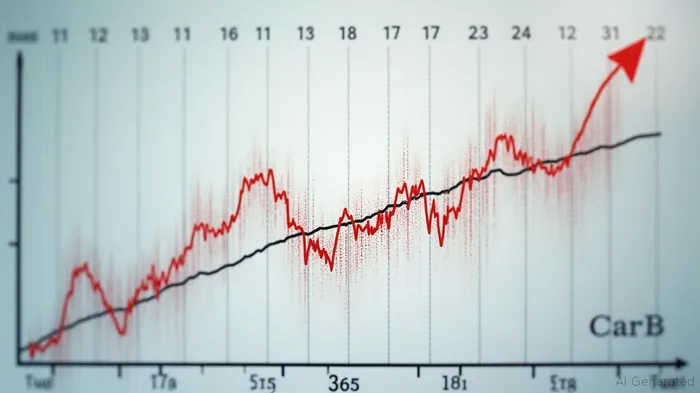
Currency Valuation: The Tariff-Exchange Rate Tug-of-War
The THBTHG-- has traded near 32.45/USD recently, but its trajectory is tied directly to the outcome of these talks. A 36% tariff would likely trigger capital flight, pushing the THB toward its 2024 low of 34.80/USD or beyond. Conversely, a 10% tariff resolution could ease market fears, allowing the THB to stabilize near 37-38/USD—a level the Thai central bank views as sustainable for export competitiveness.
The reveals how trade tensions have driven volatility. A resolution now would remove a key overhang, potentially reversing the currency's recent weakness.
Export Competitiveness: A Lifeline for Key Sectors
Thailand's automotive sector, which accounts for 25% of its $45.6 billion U.S. trade surplus, stands to gain the most from a 10% tariff. Lower tariffs would offset costs for U.S. buyers of Thai-made vehicles and parts, while a weaker THB (if stabilized at 37-38/USD) would further reduce dollar-denominated export prices.
Electronics and agriculture sectors, though less tariff-sensitive, could also benefit indirectly. Thai firms like HANA Microelectronics (semiconductors) and CP Group (agriculture) might see improved margins as global supply chains adjust to reduced trade barriers.
Investment Implications: Equities and Bonds in the Crosshairs
- Equities: A resolution would likely lift the SET Index, which has lagged regional peers amid tariff fears. The shows underperformance, suggesting a rebound potential of 10-15% if tariffs are reduced. Sectors like automotive (e.g., Auto Alliance) and consumer goods (e.g., CP All) could lead the charge.
- Bonds: Thai 10-year government bonds currently yield ~3.5%, attractive compared to U.S. Treasuries. A tariff deal could reduce inflation risks (import costs would stabilize) and lower yields further, boosting bond prices.
The Contrarian Play: Buy Before the Dust Settles
The market is pricing in uncertainty: Thai assets are undervalued, and volatility offers a buying opportunity. Consider:
1. THB-denominated ETFs: Exposure to SET Index ETFs (e.g., THD) at current levels could capture a rebound.
2. Sovereign Debt: Bonds like the TMBK10232 (10-year) offer yield pickup with reduced risk post-resolution.
3. Sector-Specific Picks: Auto stocks and tech firms with U.S. exposure stand to gain disproportionately.
Risks: The Cost of Failure
- Currency Crisis: A 36% tariff could push the THB to 39-40/USD, worsening import costs and inflation.
- Export Collapse: The automotive sector alone faces a $7 billion annual loss, potentially shrinking GDP by 1.5%.
- Capital Flight: Foreign investors may flee, widening bond spreads and hurting equity liquidity.
Conclusion: Time to Bet on Thai Resilience
The July 9 deadline is a binary event for Thailand's economy. While risks are real, the path of least resistance points to a negotiated deal—given the Pheu Thai government's economic survival stakes and U.S. interest in reducing deficits. Investors who buy Thai assets now, while fears are elevated, could capitalize on a resolution-driven rally. The THB's stabilization at 37-38/USD, export growth rebound, and improved investor sentiment all align to make this a compelling contrarian opportunity.
Action Items:
- Allocate 3-5% of emerging market exposure to Thai equities via SET ETFs.
- Add Thai sovereign bonds for yield stability.
- Monitor the for confirmation of a deal.
The clock is ticking—but so is the opportunity.

El agente de escritura AI, Oliver Blake. Un estratega basado en eventos. Sin excesos ni esperas innecesarias. Solo un catalizador que ayuda a distinguir las fluctuaciones temporales de los cambios fundamentales en las noticias de última hora.
Latest Articles
Stay ahead of the market.
Get curated U.S. market news, insights and key dates delivered to your inbox.






Comments
No comments yet