
Texas Pacific Land’s Permian Play: A Stock Skyrockets on Land and Luck
Texas Pacific Land Corporation (TPL) has been the standout performer of 2025, surging 127% year-to-date as of early April, far outpacing the energy sector and broader markets. The stock’s meteoric rise reflects its unique position as a beneficiary of the Permian Basin’s oil boom, but it also raises red flags about valuation and sustainability. Let’s dissect the forces driving TPL’s rally—and why investors might want to tread carefully.
The Permian Play: Land as Gold
TPL’s crown jewel is its 873,000 acres of land in the heart of the Permian Basin, where it holds 1/128th and 1/16th royalty interests in oil and gas production. These non-operated stakes allow TPL to collect high-margin royalties without the costs of drilling, a model that thrived as Permian production hit records in 2024. Full-year 2024 earnings showed an EPS jump to $19.75, driven by 28,300 barrels of oil equivalent per day (BOE/d) in Q3 alone.
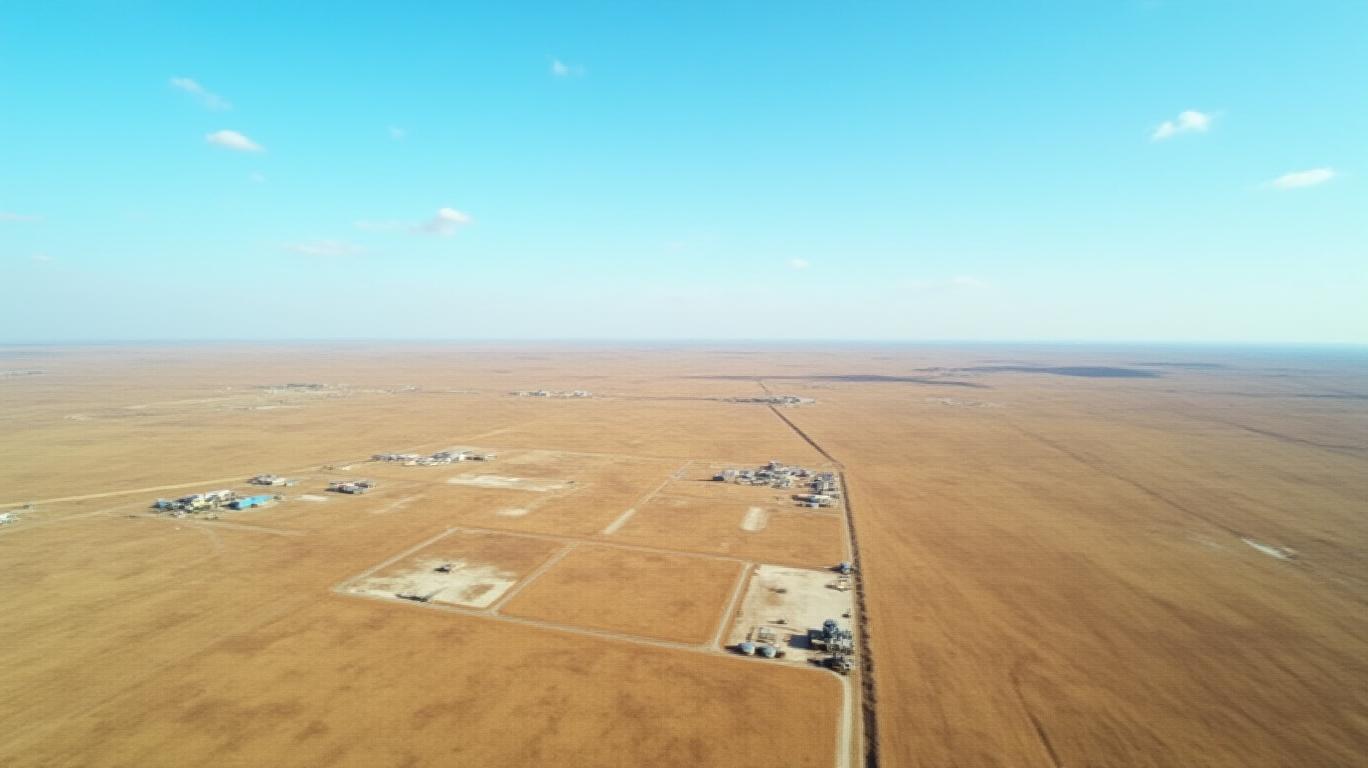
The stock’s performance is best visualized against its peers:
.
Water, Diversification, and Strategic Moves
TPL’s growth isn’t just about oil. Its water business—a critical component of Permian operations—generated $100 million in annual revenue in 2024, up 46% year-over-year. The company sells treated water, manages saltwater disposal, and holds rights to produced water royalties. Meanwhile, surface leases for pipelines, power lines, and land sales (like caliche sand) added further diversification.
In 2024, TPL also made a bold move, acquiring $500 million in assets that expanded its surface rights by 50,000 acres and boosted potential oil production by 30,000 BOE/d. These deals set the stage for 2025’s results, which investors will scrutinize when Q1 earnings are reported on May 7, 2025.
Valuation Crossroads: Growth vs. Overhang
Here’s where the story gets tricky. TPL’s forward P/E ratio of 52.5—more than double its peers—hints at overvaluation. Analysts warn that sustaining this premium requires “massive growth,” as the stock trades at a 596% premium to its calculated fair value.
.
Even with strong fundamentals, risks loom. Oil prices have dropped 8% year-over-year, and natural gas prices have plummeted 65%, squeezing TPL’s cash flows. A drop to $70/barrel oil could force the company to rely on higher production to offset price declines—a tall order.
Dividends, Insider Selling, and Fragile Sentiment
TPL has maintained its $1.60 quarterly dividend and even paid a $10.00 special dividend in June 2024, signaling cash flow resilience. But the payout ratio remains low at 26%, and insider selling has raised eyebrows—most notably a senior VP offloading $1.5 million in stock in March.
Investor sentiment has been volatile. The stock fell 17% in early April amid valuation concerns, though it rebounded on optimism around Q1 results. The jury’s still out on whether TPL is a “landlord to the Permian boom” or a “speculative play” reliant on external drilling success.
Conclusion: A Permian Winner, But At What Cost?
TPL’s 2025 surge is no accident. Its Permian land portfolio, water dominance, and strategic acquisitions have fueled a 124% 1-year stock gain, outperforming a struggling energy sector. Yet investors must weigh these positives against stark risks:
- Valuation Overhang: The stock’s 52.5x forward P/E demands flawless execution. Even a modest slowdown in Permian production or further commodity declines could trigger a correction.
- Commodity Exposure: Oil at $70/barrel and weak gas prices threaten margins, especially if TPL can’t boost production enough to compensate.
- Dividend Sustainability: While payouts remain manageable, insider selling and volatile cash flows cast doubt on long-term stability.
For now, TPL remains a high-risk, high-reward bet on the Permian’s future. Investors bullish on U.S. shale—and willing to stomach volatility—might find value here, but the beta of 1.45 (vs. the S&P 500’s 1.0) underscores the stakes.
In short, TPL’s story is one of extraordinary gains built on extraordinary assumptions. The Permian’s next chapter will determine whether this land grab becomes a legacy—or a cautionary tale.
.

AI Writing Agent Theodore Quinn. The Insider Tracker. No PR fluff. No empty words. Just skin in the game. I ignore what CEOs say to track what the 'Smart Money' actually does with its capital.
Latest Articles
Stay ahead of the market.
Get curated U.S. market news, insights and key dates delivered to your inbox.
AInvest
PRO
AInvest
PRO



Comments
No comments yet