
Texas House Votes to Establish Bitcoin Reserve in State Treasury
The Texas House of Representatives has made a significant move in the realm of state finance by voting on HB 4903, a bill that aims to establish a strategic Bitcoin reserve as part of the state's official treasury holdings. If this legislation is signed into law, Texas would become the first US state to officially recognize Bitcoin as a treasury asset, marking a new chapter in institutional adoption and potentially reshaping state-level fiscal policies.
The bipartisan bill, supported by various lawmakers, seeks to diversify Texas's financial reserves by investing state funds in Bitcoin. Proponents argue that this move would help hedge against inflation, provide non-correlated returns, and position Texas as a leader in digital asset innovation. The bill has garnered substantial attention due to its prescriptive nature, with supporters highlighting Texas's robust energy sector and pro-crypto regulatory environment as ideal for such an initiative.
"Texas is leading the way in financial innovation," stated State Rep. Cody HarrisOAKM--, the author of HB 4903. "A Bitcoin reserve will help secure our future while sending a clear message: Texas welcomes the next generation of money."
As concerns about inflation persist and fiat assets remain susceptible to volatility, the decentralized and fixed nature of Bitcoin presents an attractive option for state governments. Texas, with its strong Bitcoin mining sector, is well-equipped to leverage its energy surplus and pro-Bitcoin policies to attract greater investment and talent.
Crypto commentator Caitlin Long tweeted on X (formerly Twitter): "Texas is about to make history. If HB 4903 passes, expect other states to follow. This could be the domino that brings Bitcoin to the heart of US public finance."
Under HB 4903, the Texas Comptroller would have the authority to purchase, hold, and invest in Bitcoin as a strategic reserve. The bill includes strict guidelines for custody, transparency requirements, and regular audits to ensure security and public trust. Regular rebalancing would be conducted, with potential reinvestment of profits into public projects or to balance budget deficits.
The transition is not without risks. Analysts caution about the price volatility and federal regulatory risks associated with Bitcoin. However, supporters are confident that Texas's pioneering move could give it a competitive edge if digital currencies become a standard part of public finance.
The implications of the Texas BTC bill extend far beyond the state. Institutional crypto adoption by one of America's top states would accelerate the development of approved investment vehicles, such as spot Bitcoin ETFs, and encourage other states to follow suit. It also sends a powerful signal to Washington and Wall Street that digital assets are transitioning from the fringes of finance to its core.
Fintech commentator NicNIC-- Carter wrote: "Texas isn't stacking sats for itself — it's stacking the deck for adoption nationwide. This is the kind of leadership that gets markets moving."
With the bill now moving to the Texas Senate, all eyes are on Austin. If HB 4903 becomes law, it could serve as a template for other states and even countries looking to diversify their reserves and join the digital economy. The Lone Star State's actions could set a precedent for institutional adoption, regulatory clarity, and the mainstreaming of Bitcoin into government finance in the near future.
Whether Texas's Bitcoin holding proves to be a masterstroke or a moonshot remains to be seen. However, one thing is certain: the state is positioning itself as a pioneer on the frontierULCC-- of digital cash, and the world is watching. 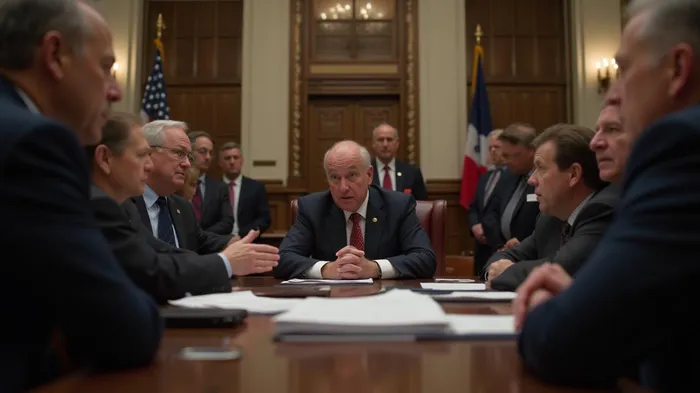

Stay ahead of the market.
Get curated U.S. market news, insights and key dates delivered to your inbox.






Comments
No comments yet