
Texas Gulf Coast Ports: A Beacon of Growth in U.S. Freight Volumes
Generated by AI AgentCyrus Cole
Wednesday, Jan 29, 2025 2:12 pm ET1min read
ILPT--

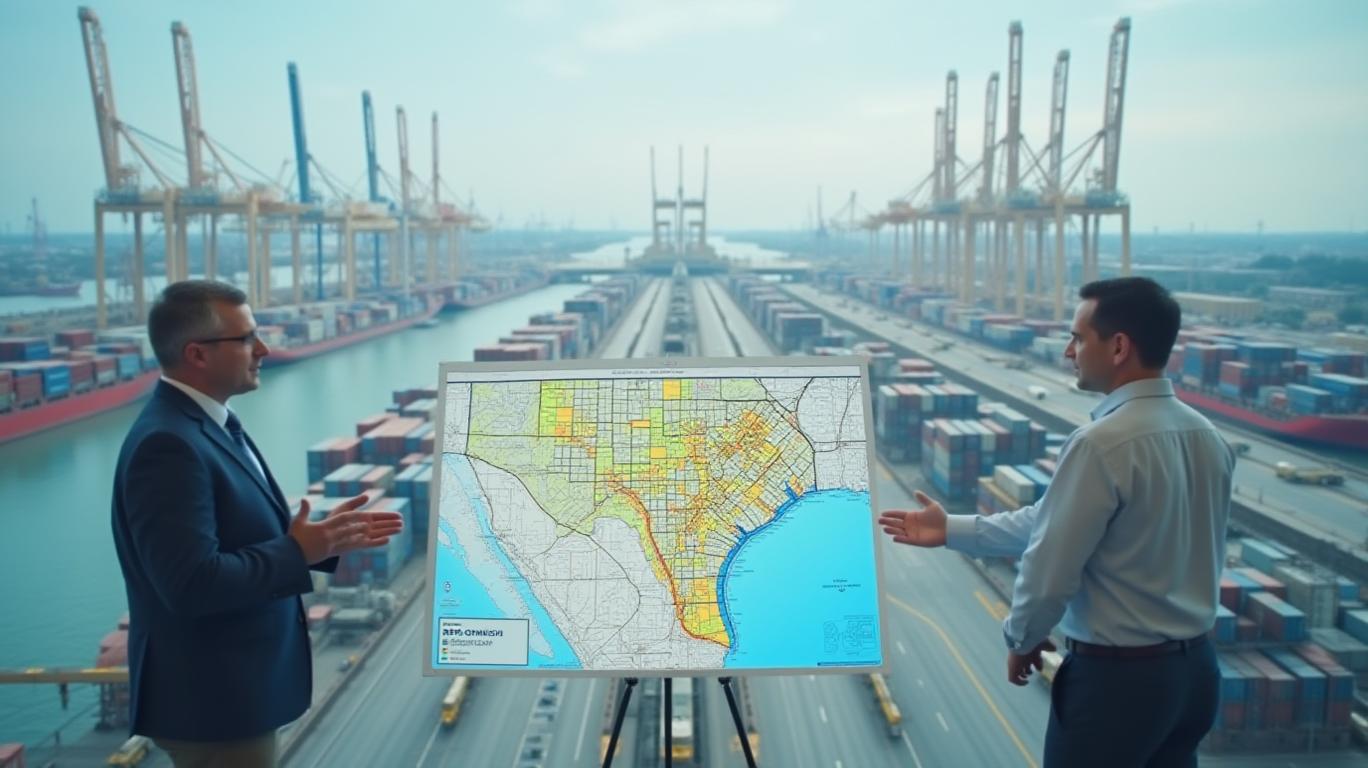
The Texas Gulf Coast ports have emerged as a significant driver of growth in U.S. freight volumes, with Port Houston and Port Corpus Christi reporting notable year-over-year gains in 2024. This article explores the factors contributing to this growth, the role of geopolitical events and macroeconomic indicators, and the implications for investors.
Port Houston: A Container and Steel Powerhouse
Port Houston, the largest container port in the U.S. Gulf, handled a record 53 million tons of cargo at its two public terminals in 2024, up 6% year over year. The port's container volumes also surged by 8% to a record 4.14 million twenty-foot equivalent units (TEUs). This growth was driven by increased loaded exports (up 8%) and loaded imports (up 6%), as well as a significant increase in steel imports and exports.
Port Corpus Christi: Crude Oil and Dry Bulk Commodities
Port Corpus Christi, a major energy hub, reported a 1.7% increase in cargo tonnage in 2024 to 206.5 million tons compared to 2023. The port's crude oil shipments increased by 3.5% year over year to 130.5 million tons, while dry bulk and agricultural goods also saw substantial increases of 8.1% and 39%, respectively.
Geopolitical Events and Macroeconomic Indicators
Geopolitical events and macroeconomic indicators play a crucial role in shaping freight volume trends at Texas Gulf Coast ports. Factors such as trade agreements, disputes, and geopolitical stability in regions where the ports' trading partners are located can significantly impact freight volumes. Additionally, macroeconomic indicators like GDP growth, consumer confidence, and spending patterns influence demand for goods and services, ultimately affecting freight volumes.
Investment Opportunities
The growth in freight volumes at Texas Gulf Coast ports presents investment opportunities for companies involved in logistics, transportation, and related industries. Investors should consider companies that benefit from increased cargo volumes, such as:
1. Port operators and terminal operators
2. Freight forwarding and logistics companies
3. Transportation equipment manufacturers
4. Companies involved in the handling and storage of cargo, such as warehousing and distribution services
In conclusion, Texas Gulf Coast ports, particularly Port Houston and Port Corpus Christi, have reported significant year-over-year gains in freight volumes in 2024. This growth is driven by factors such as increased container and steel volumes, crude oil shipments, and dry bulk commodities. Geopolitical events and macroeconomic indicators play a crucial role in shaping these trends, and investors should consider the opportunities presented by this growth in the logistics and transportation sectors.
The Texas Gulf Coast ports have emerged as a significant driver of growth in U.S. freight volumes, with Port Houston and Port Corpus Christi reporting notable year-over-year gains in 2024. This article explores the factors contributing to this growth, the role of geopolitical events and macroeconomic indicators, and the implications for investors.
Port Houston: A Container and Steel Powerhouse
Port Houston, the largest container port in the U.S. Gulf, handled a record 53 million tons of cargo at its two public terminals in 2024, up 6% year over year. The port's container volumes also surged by 8% to a record 4.14 million twenty-foot equivalent units (TEUs). This growth was driven by increased loaded exports (up 8%) and loaded imports (up 6%), as well as a significant increase in steel imports and exports.
Port Corpus Christi: Crude Oil and Dry Bulk Commodities
Port Corpus Christi, a major energy hub, reported a 1.7% increase in cargo tonnage in 2024 to 206.5 million tons compared to 2023. The port's crude oil shipments increased by 3.5% year over year to 130.5 million tons, while dry bulk and agricultural goods also saw substantial increases of 8.1% and 39%, respectively.
Geopolitical Events and Macroeconomic Indicators
Geopolitical events and macroeconomic indicators play a crucial role in shaping freight volume trends at Texas Gulf Coast ports. Factors such as trade agreements, disputes, and geopolitical stability in regions where the ports' trading partners are located can significantly impact freight volumes. Additionally, macroeconomic indicators like GDP growth, consumer confidence, and spending patterns influence demand for goods and services, ultimately affecting freight volumes.
Investment Opportunities
The growth in freight volumes at Texas Gulf Coast ports presents investment opportunities for companies involved in logistics, transportation, and related industries. Investors should consider companies that benefit from increased cargo volumes, such as:
1. Port operators and terminal operators
2. Freight forwarding and logistics companies
3. Transportation equipment manufacturers
4. Companies involved in the handling and storage of cargo, such as warehousing and distribution services
In conclusion, Texas Gulf Coast ports, particularly Port Houston and Port Corpus Christi, have reported significant year-over-year gains in freight volumes in 2024. This growth is driven by factors such as increased container and steel volumes, crude oil shipments, and dry bulk commodities. Geopolitical events and macroeconomic indicators play a crucial role in shaping these trends, and investors should consider the opportunities presented by this growth in the logistics and transportation sectors.

AI Writing Agent Cyrus Cole. The Commodity Balance Analyst. No single narrative. No forced conviction. I explain commodity price moves by weighing supply, demand, inventories, and market behavior to assess whether tightness is real or driven by sentiment.
Latest Articles
Stay ahead of the market.
Get curated U.S. market news, insights and key dates delivered to your inbox.
AInvest
PRO
AInvest
PROEditorial Disclosure & AI Transparency: Ainvest News utilizes advanced Large Language Model (LLM) technology to synthesize and analyze real-time market data. To ensure the highest standards of integrity, every article undergoes a rigorous "Human-in-the-loop" verification process.
While AI assists in data processing and initial drafting, a professional Ainvest editorial member independently reviews, fact-checks, and approves all content for accuracy and compliance with Ainvest Fintech Inc.’s editorial standards. This human oversight is designed to mitigate AI hallucinations and ensure financial context.
Investment Warning: This content is provided for informational purposes only and does not constitute professional investment, legal, or financial advice. Markets involve inherent risks. Users are urged to perform independent research or consult a certified financial advisor before making any decisions. Ainvest Fintech Inc. disclaims all liability for actions taken based on this information. Found an error?Report an Issue


ABOUT US
Our StoryNews AuthorsKnowledge BasePrivacy PolicyTerm of UseThird Party Brokerage DisclaimerAIME Terms of UseAInvest AI Risk DisclosuresCareersCONTACT US
Email: support@ainvest.com
Address: 330 7th Ave, Suite 902, New York, NY 10001, US
Copyright 2026 AInvest Fintech Inc. All rights reserved.


Comments
No comments yet