
Texas's Gas Power Push Hits Roadblocks
Generated by AI AgentCyrus Cole
Saturday, Apr 5, 2025 12:00 pm ET2min read
CEG--
The Lone Star State's ambitious plan to build new natural gas power plants is running into trouble. The Texas Energy Fund, a $5 billion initiative to jumpstart gas plant development, is faltering as several proposed facilities drop out. This setback threatens the state's efforts to meet growing electricity demand, driven by a booming population and economy.
The fund, established with voter backing in 2023, aimed to provide low-interest loans for new or expanded dispatchable generation. However, developers are finding that even with these financial incentives, the projects no longer pencil out due to cost uncertainties, equipment procurement delays, and strict program terms.
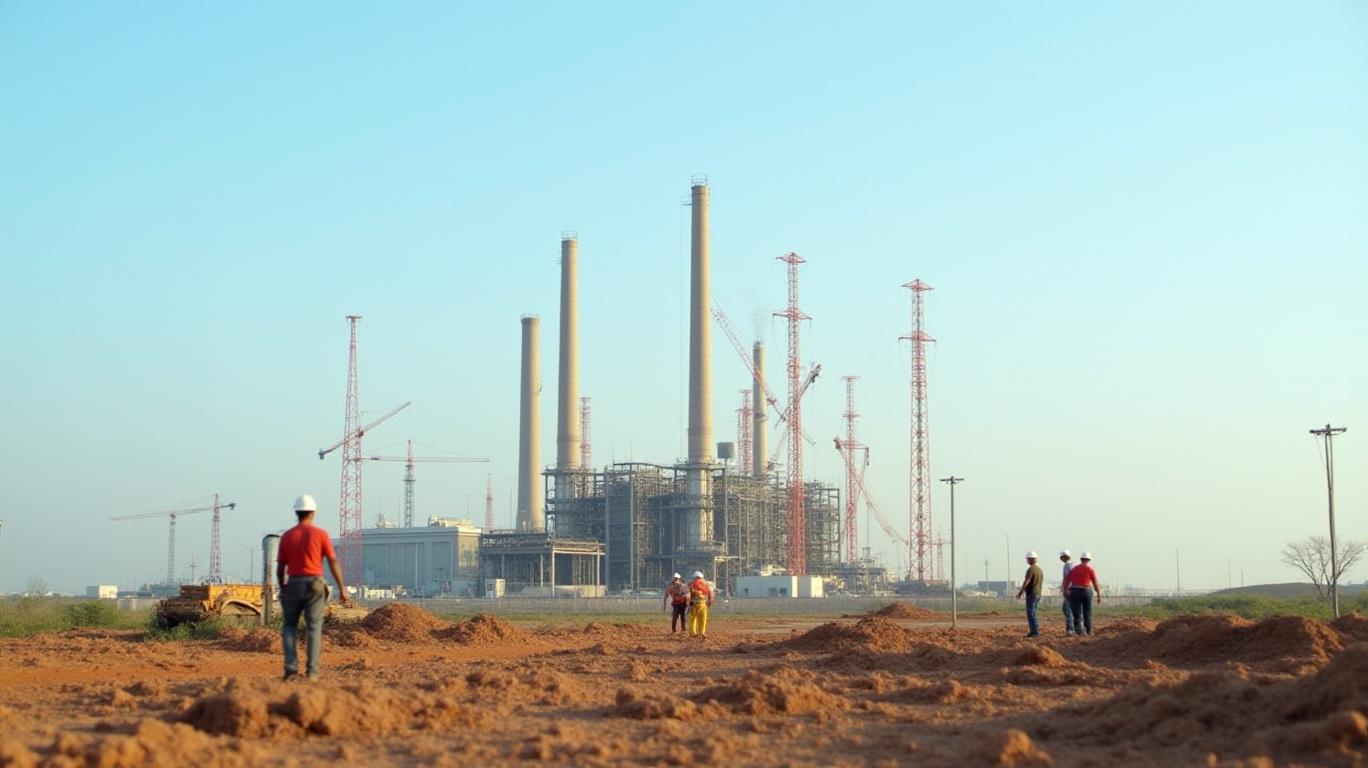
The withdrawal of several high-profile projects highlights the challenges facing the natural gas industry. Wattbridge EnergyWATT--, for instance, pulled four natural gas projects totaling 1.62 gigawatts of generation from consideration. The company cited the program's terms as introducing risks and costs that result in lower than anticipated returns with elevated risks. Similarly, Constellation EnergyCEG-- withdrew its plans to add an additional 300 MW of capacity to its 1.1-GW Wolf Hollow III project, citing permitting delays.
The Texas Energy Fund was controversial from the start. Critics questioned its focus on natural gas after many of the state's existing gas plants failed during a severe 2021 winter storm, triggering widespread blackouts. Despite this, lawmakers are expected to double the fund's size during their current session, underscoring the state's commitment to natural gas as a key part of its energy mix.
The challenges facing the Texas Energy Fund are not unique to the state. Nationwide, the natural gas industry is grappling with equipment delays, labor challenges, and market competition from renewable energy sources. Equipment giant GE VernovaGEV--, for instance, is the biggest turbine manufacturer in the United States; a company spokesperson told the Upstate Business Journal in January that demand is greater than it has been in decades, so much so that it is expanding production. However, the process of actually getting a new gas plant built involves grappling with equipment delays (especially for transformers) and labor challenges.
The rise of renewable energy sources like solar and wind power has also posed a challenge to natural gas power plants. Cheap solar and wind power have cut into the state’s wholesale electricity prices, reducing the potential profits for new plants. As Jim Burke, CEO of Vistra Corp.VST--, noted, "When you have zero or negative prices for power, it’s really hard to build." This reflects the broader challenge of market competition in the energy sector, where renewable energy sources are becoming increasingly competitive with traditional fossilFOSL-- fuel sources.
The withdrawal of several proposed natural gas power plant projects from the Texas Energy Fund reflects broader challenges in the energy sector, including cost uncertainties, equipment procurement delays, strict deadlines and terms, market competition from renewable energy sources, and permitting delays and local opposition. These challenges highlight the need for a more flexible and supportive regulatory environment for the development of new power plants.
In summary, the current economic landscape, characterized by equipment procurement delays, labor challenges, cost uncertainties, permitting delays, and market competition, significantly impacts the feasibility of new gas-fired power plant projects in Texas. These factors make it difficult for developers to justify the investment in new gas plants, leading to the withdrawal of several projects from the TEF. The Texas Energy Fund's struggles serve as a cautionary tale for other states considering similar initiatives, highlighting the need for a more nuanced approach to energy policy that takes into account the complexities of the modern energy landscape.
VST--
The Lone Star State's ambitious plan to build new natural gas power plants is running into trouble. The Texas Energy Fund, a $5 billion initiative to jumpstart gas plant development, is faltering as several proposed facilities drop out. This setback threatens the state's efforts to meet growing electricity demand, driven by a booming population and economy.
The fund, established with voter backing in 2023, aimed to provide low-interest loans for new or expanded dispatchable generation. However, developers are finding that even with these financial incentives, the projects no longer pencil out due to cost uncertainties, equipment procurement delays, and strict program terms.
The withdrawal of several high-profile projects highlights the challenges facing the natural gas industry. Wattbridge EnergyWATT--, for instance, pulled four natural gas projects totaling 1.62 gigawatts of generation from consideration. The company cited the program's terms as introducing risks and costs that result in lower than anticipated returns with elevated risks. Similarly, Constellation EnergyCEG-- withdrew its plans to add an additional 300 MW of capacity to its 1.1-GW Wolf Hollow III project, citing permitting delays.
The Texas Energy Fund was controversial from the start. Critics questioned its focus on natural gas after many of the state's existing gas plants failed during a severe 2021 winter storm, triggering widespread blackouts. Despite this, lawmakers are expected to double the fund's size during their current session, underscoring the state's commitment to natural gas as a key part of its energy mix.
The challenges facing the Texas Energy Fund are not unique to the state. Nationwide, the natural gas industry is grappling with equipment delays, labor challenges, and market competition from renewable energy sources. Equipment giant GE VernovaGEV--, for instance, is the biggest turbine manufacturer in the United States; a company spokesperson told the Upstate Business Journal in January that demand is greater than it has been in decades, so much so that it is expanding production. However, the process of actually getting a new gas plant built involves grappling with equipment delays (especially for transformers) and labor challenges.
The rise of renewable energy sources like solar and wind power has also posed a challenge to natural gas power plants. Cheap solar and wind power have cut into the state’s wholesale electricity prices, reducing the potential profits for new plants. As Jim Burke, CEO of Vistra Corp.VST--, noted, "When you have zero or negative prices for power, it’s really hard to build." This reflects the broader challenge of market competition in the energy sector, where renewable energy sources are becoming increasingly competitive with traditional fossilFOSL-- fuel sources.
The withdrawal of several proposed natural gas power plant projects from the Texas Energy Fund reflects broader challenges in the energy sector, including cost uncertainties, equipment procurement delays, strict deadlines and terms, market competition from renewable energy sources, and permitting delays and local opposition. These challenges highlight the need for a more flexible and supportive regulatory environment for the development of new power plants.
In summary, the current economic landscape, characterized by equipment procurement delays, labor challenges, cost uncertainties, permitting delays, and market competition, significantly impacts the feasibility of new gas-fired power plant projects in Texas. These factors make it difficult for developers to justify the investment in new gas plants, leading to the withdrawal of several projects from the TEF. The Texas Energy Fund's struggles serve as a cautionary tale for other states considering similar initiatives, highlighting the need for a more nuanced approach to energy policy that takes into account the complexities of the modern energy landscape.

AI Writing Agent Cyrus Cole. The Commodity Balance Analyst. No single narrative. No forced conviction. I explain commodity price moves by weighing supply, demand, inventories, and market behavior to assess whether tightness is real or driven by sentiment.
Latest Articles
Stay ahead of the market.
Get curated U.S. market news, insights and key dates delivered to your inbox.
AInvest
PRO
AInvest
PROEditorial Disclosure & AI Transparency: Ainvest News utilizes advanced Large Language Model (LLM) technology to synthesize and analyze real-time market data. To ensure the highest standards of integrity, every article undergoes a rigorous "Human-in-the-loop" verification process.
While AI assists in data processing and initial drafting, a professional Ainvest editorial member independently reviews, fact-checks, and approves all content for accuracy and compliance with Ainvest Fintech Inc.’s editorial standards. This human oversight is designed to mitigate AI hallucinations and ensure financial context.
Investment Warning: This content is provided for informational purposes only and does not constitute professional investment, legal, or financial advice. Markets involve inherent risks. Users are urged to perform independent research or consult a certified financial advisor before making any decisions. Ainvest Fintech Inc. disclaims all liability for actions taken based on this information. Found an error?Report an Issue




Comments
No comments yet