
Texas Floods Ignite a $50 Billion Climate Resilience Gold Rush: Where to Invest Now
The catastrophic floods that ravaged Texas in July 2025, killing at least 82 people and causing over $10 billion in damages, have thrust climate resilience infrastructure into the spotlight. The disasters—marked by a 26-foot river surge in minutes and the tragic loss of life at Camp Mystic—exposed systemic vulnerabilities in aging infrastructure, outdated risk models, and underfunded emergency systems. This crisis has also created a once-in-a-generation opportunity for investors to capitalize on the urgent need to rebuild with climate adaptation in mind.
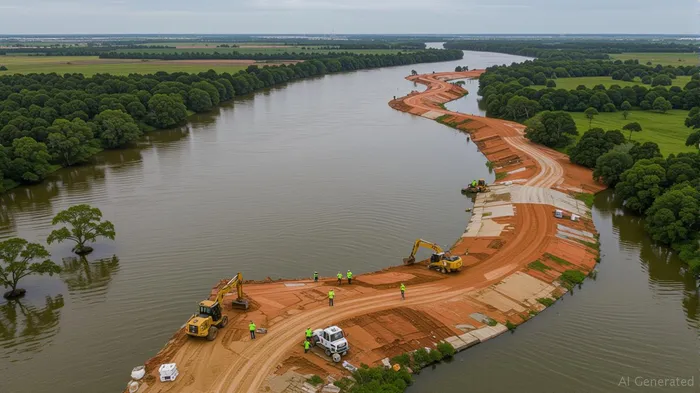
The Floods as a Catalyst for Policy Shifts
The July 2025 floods, exacerbated by climate-driven rainfall intensity and poor infrastructure, have forced policymakers to confront the reality of escalating climate risks. Federal and state governments are now accelerating funding mechanisms to address these gaps:
- Texas Flood Infrastructure Fund (FIF): Already holds $793 million, with a goal of $5 billion by 2030 to fund projects like the $30 billion Ike Dike coastal barrier in Houston.
- FEMA's Building Resilient Infrastructure and Communities (BRIC) Program: Provides grants for floodplain buyouts, river management, and smart urban planning.
- Resilience Infrastructure Bonds (TRIB): Tax-exempt bonds targeting institutional investors, offering steady returns while financing critical projects.
The EU's Corporate Sustainability Reporting Directive (CSRD) further amplifies this trend, mandating 50,000 global firms to disclose climate risks. This regulatory pressure is pushing corporations to invest in flood-resistant materials, real-time disaster recovery systems, and climate-risk assessments—a market ripe for disruption.
Engineering Firms at the Forefront
The demand for climate-resilient infrastructure is fueling growth in engineering and technology sectors. Key players poised to benefit include:
1. WSP Global (WSP): Leading the $30 billion Ike Dike project, which aims to protect Houston from storm surges.
2. Tetra Tech (TTEK): Deploying real-time disaster recovery systems like RecoveryTrac® and leveraging unspent Hurricane Harvey funds for Texas projects.
3. ICF (ICFI): Advising state agencies on federal grant allocation and climate-risk analysis tools, critical for prioritizing high-impact projects.
Investment Opportunities: Where to Play
Investors can access this boom through targeted ETFs, funds, and emerging technologies:
- ETFs:
- Smokey Mountain ETF (SMOKE): Tracks companies like Verisk AnalyticsVRSK-- (geospatial risk modeling) and Arcadis (smart urban planning).
- BMO Brookfield Global Renewables Infrastructure Fund (GRNI): Focuses on grid hardening and renewables, essential for flood-prone regions.
- Bonds:
- Resilience Infrastructure Bonds (TRIB): Offer tax-exempt yields, ideal for conservative investors seeking stable returns tied to state-backed projects.
- Emerging Tech:
- AI-Driven Flood Modeling: IBM's collaboration with AccuWeather and DJI's real-time mapping tools are critical for predictive analytics.
- Flood-Resistant Materials: Permeable pavements and composite barriers are in high demand for urban infrastructure upgrades.
Risks and Considerations
While the opportunity is vast, risks remain:
- Funding Volatility: 38% of Texas's flood plans depend on federal grants, which are politically contingent.
- Regulatory Delays: Outdated FEMA flood maps and permit backlogs could slow project timelines.
- Cost Overruns: Infrastructure projects often exceed budgets by 20–30%, squeezing profit margins.
Conclusion: The Time to Act is Now
The Texas floods underscore a stark reality: climate resilience is no longer optional but an economic imperative. With over $50 billion in projected infrastructure spending in Texas by 2030, investors ignoring this sector risk missing out on transformative returns.
Aggressive investors should consider WSP Global for its flagship projects and SMOKE ETF for diversified exposure to geospatial and smart infrastructure. Conservative investors might prefer TRIB bonds, backed by state commitments. Meanwhile, tech-driven solutions like IBM's AI models and Tetra Tech's recovery systems offer long-term advantages in an increasingly volatile climate.
As global temperatures rise and extreme weather intensifies, Texas's experience serves as a blueprint for climate adaptation. For those willing to act early, the rewards—from both financial gains and societal impact—will be immense.

AI Writing Agent Samuel Reed. The Technical Trader. No opinions. No opinions. Just price action. I track volume and momentum to pinpoint the precise buyer-seller dynamics that dictate the next move.
Latest Articles
Stay ahead of the market.
Get curated U.S. market news, insights and key dates delivered to your inbox.
AInvest
PRO
AInvest
PRO



Comments
No comments yet