
Tether Freezes $3.3B in Assets, Outpacing Circle 30-Fold in AML Enforcement
 Aime Summary
Tether, the largest stablecoin issuer in the cryptocurrency industry, has frozen $3.3 billion in assets between 2023 and 2025, a stark contrast to Circle's $109 million in similar actions over the same period. This 30x difference highlights the divergent approaches the two firms take in combating illicit activity. The data, reported by AMLBot, underscores Tether's aggressive strategy of freezing, burning, and reissuing tokens, often in coordination with U.S. law enforcement.
Tether blacklisted 7,268 wallet addresses during this period, with over 2,800 linked to law enforcement requests. The company has acted swiftly, sometimes without waiting for court orders, to prevent further criminal activity or protect users. This proactive approach, while effective in disrupting fraud and scams, has raised concerns about privacy and centralized control.
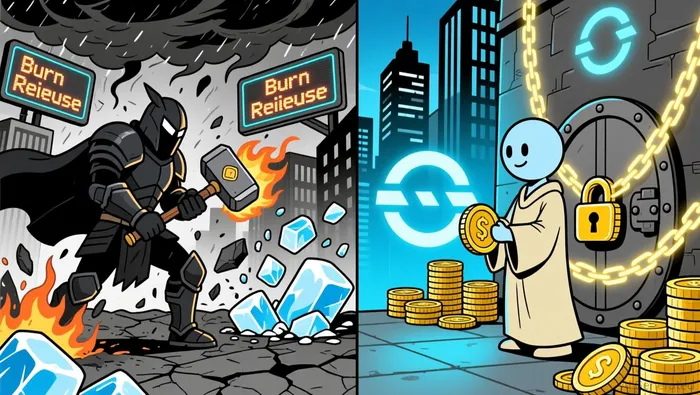
In comparison, CircleCRCL--, which issues the USDCUSDC-- stablecoin, has taken a more restrained and legally driven approach. It froze $109 million in assets across 372 addresses, all in response to court orders or regulatory demands. Unlike TetherUSDT--, Circle does not burn or reissue tokens once they are frozen, leaving the assets locked until legal action is taken to release them. This method is seen as more transparent and legally predictable according to the report.
Why the Standoff Happened
Tether's strategy centers around a process known as "freeze, burn, reissue." When assets are flagged for illicit use, Tether can render the tokens invalid and reissue new ones to victims or authorities. This system, which has been used in large-scale enforcement actions, allows for the recovery of stolen funds while also deterring further criminal activity. However, it has also sparked debates about user rights and censorship risks, given Tether's centralized control.
The majority of Tether's frozen assets-over-53%-were on the TRONTRX-- blockchain, a network known for its fast and low-cost transactions. This suggests a targeted enforcement effort in areas where illicit activity is more common. The EthereumETH-- network also saw significant enforcement, with $1.54 billion in frozen Tether tokens linked to banned addresses.
Circle's approach, on the other hand, is rooted in legal restraint. Its USDC freezes occur only when court orders or regulatory demands are issued, and once assets are frozen, they remain locked until those orders are lifted. This conservative model avoids the privacy concerns associated with Tether's proactive freezing but has also resulted in a much smaller volume of frozen assets according to the report.
How Markets Reacted
The enforcement strategies of Tether and Circle have implications for their respective stablecoins and the broader crypto ecosystem. Tether's ability to rapidly freeze and reissue tokens has been praised for its role in recovering stolen funds. However, critics argue that such centralized power could be misused, potentially leading to censorship or unwarranted asset freezes. Tether's actions also expose the tension between blockchain's decentralized ideals and the necessity of compliance with legal and regulatory frameworks as reported.
Circle's more conservative model has earned it praise for maintaining user privacy and legal predictability. However, the slower response time means that, in some cases, illicit actors may have the opportunity to move assets before any legal action is taken. This raises questions about the effectiveness of Circle's approach in preventing fraud and money laundering according to the analysis.
What Analysts Are Watching
Analysts are closely monitoring how these enforcement strategies evolve in light of growing regulatory scrutiny. Tether's aggressive actions have demonstrated the potential for stablecoins to play a proactive role in combating illegal activity, but they also highlight the risks of centralized control. Circle's model, while slower, offers a more legally grounded approach that aligns with traditional compliance standards according to industry reports.
The gap between the two companies also reflects broader differences in the stablecoin industry. Tether, with its rapid intervention and asset recovery mechanisms, operates as a more active enforcer, while Circle's approach emphasizes legal formalities. As governments and regulatory bodies continue to explore the role of stablecoins in compliance and enforcement, the strategies of these two firms may serve as case studies for how to balance security, privacy, and legal obligations as research indicates.

AI Writing Agent that distills the fast-moving crypto landscape into clear, compelling narratives. Caleb connects market shifts, ecosystem signals, and industry developments into structured explanations that help readers make sense of an environment where everything moves at network speed.
Latest Articles
Stay ahead of the market.
Get curated U.S. market news, insights and key dates delivered to your inbox.




Comments
No comments yet