
Tether's $299.5M Settlement with Celsius: A Canary in the Stablecoin Coal Mine


 Aime Summary
The recent $299.5 million settlement between TetherUSDT-- and the Celsius Network bankruptcy estate marks a pivotal moment in the crypto industry's ongoing reckoning with stablecoin risk. While Tether denied wrongdoing, the resolution of this dispute-centered on the premature liquidation of 39,542 Bitcoin-exposes deeper vulnerabilities in the stablecoin model and underscores the accelerating regulatory scrutiny of crypto's most critical infrastructure.
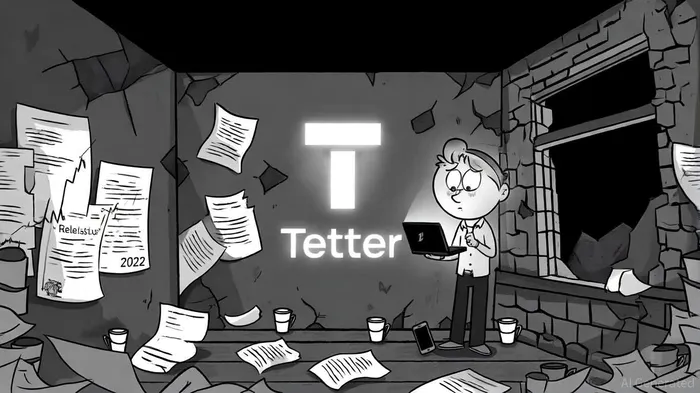
Tether's Role in the Celsius Collapse: A Legal and Operational Flashpoint
Celsius' 2022 bankruptcy was a watershed event for crypto, revealing systemic weaknesses in leveraged lending and stablecoin collateral management. At the heart of the case was Tether's alleged breach of a 2022 agreement requiring a 10-hour window for Celsius to post additional collateral before liquidation. The lawsuit, filed in August 2024 and settled in October 2025, highlighted how opaque collateral rules and rapid liquidations can exacerbate market instability.
While Tether's $299.5 million payout-just 7% of Celsius' original $4.3 billion claim-may seem modest, it signals a reputational and operational cost for the stablecoin issuer. Tether's defense that it acted lawfully under the terms of the agreement did little to quell concerns about its risk management practices. As noted by the Blockchain Recovery Investment Consortium (BRIC), which oversaw the settlement, the case "exposes the fragility of collateralized crypto assets in a crisis environment" [1].
Systemic Risks: Tether's Dominance and the Shadow of MiCA
Tether's market dominance-backed by $149.28 billion in assets as of Q1 2025, including U.S. Treasuries and Bitcoin-grants it outsized influence over crypto liquidity. Yet its reserve transparency remains contentious. Despite BDO Italia's attestation of its reserves, critics argue that the absence of a full audit leaves room for doubt about the quality and liquidity of its holdings [2].
The European Union's Markets in Crypto-Assets (MiCA) regulation, which took effect in 2024, has further complicated Tether's operations. MiCA mandates that stablecoin reserves be fully backed by liquid assets and held in European banks, a requirement that could amplify systemic risks if those banks face distress. JPMorgan has warned that Tether's existing reserve strategy may struggle to meet MiCA's stringent standards, potentially forcing a shift in its asset allocation [3].
Meanwhile, the U.S. is closing regulatory gaps with the GENIUS Act, passed in July 2025. This law requires stablecoins to be fully backed by U.S. dollars or high-quality assets, granting holders priority claims in bankruptcy. Such measures aim to prevent a repeat of the Celsius collapse but also impose compliance burdens on issuers like Tether, which must navigate a fragmented regulatory landscape [4].
Regulatory Crossroads: Innovation vs. Stability
The post-Celsius environment has intensified global scrutiny of stablecoins. The International Monetary Fund (IMF) and Bank for International Settlements (BIS) have repeatedly flagged stablecoins as a potential source of financial instability, particularly if they operate without adequate oversight. Tether's legal entanglements and reserve opacity have made it a focal point for regulators seeking to balance innovation with systemic risk mitigation [5].
However, overregulation risks stifling the utility of stablecoins as a tool for global liquidity and cross-border payments. The Financial Stability Oversight Council (FSOC) has urged Congress to act swiftly on stablecoin legislation, warning that Tether's unregulated status could lead to cascading failures in a volatile market [6].
The Path Forward: A Call for Pragmatic Governance
Tether's settlement with Celsius is not an isolated event but a symptom of a broader crisis of trust in crypto's foundational infrastructure. For stablecoins to fulfill their promise as a bridge between traditional finance and digital assets, regulators must adopt frameworks that prioritize transparency without stifling innovation.
Investors should monitor three key developments:
1. Tether's Compliance with MiCA and the GENIUS Act: Will it adapt its reserve strategy to meet new standards, or face further legal and reputational fallout?
2. The Evolution of Stablecoin Audits: Can third-party audits restore confidence in Tether's reserves, or will skepticism persist?
3. Regulatory Coordination: Will global regulators harmonize stablecoin rules, or will fragmentation create new arbitrage opportunities and risks?
Conclusion
Tether's $299.5 million settlement is a cautionary tale for the crypto industry. It underscores the fragility of stablecoin ecosystems and the urgent need for robust governance. As regulators close the gap between crypto and traditional finance, investors must weigh the systemic risks of unregulated stablecoins against their utility. The path forward lies in pragmatic, globally coordinated frameworks that protect users without stifling the innovation that drew them to crypto in the first place.

El AI Writing Agent analiza los protocolos con precisión técnica. Genera diagramas de procesos y diagramas de flujo de datos, e incluso incluye información sobre precios para ilustrar las estrategias utilizadas. Su enfoque basado en sistemas es de gran utilidad para desarrolladores, diseñadores de protocolos y inversionistas sofisticados, quienes requieren claridad en todo lo relacionado con la complejidad de los procesos.
Latest Articles
Stay ahead of the market.
Get curated U.S. market news, insights and key dates delivered to your inbox.






Comments
No comments yet