
Tesla's UK Sales Crash 62%: A Warning Sign for EV Dominance?
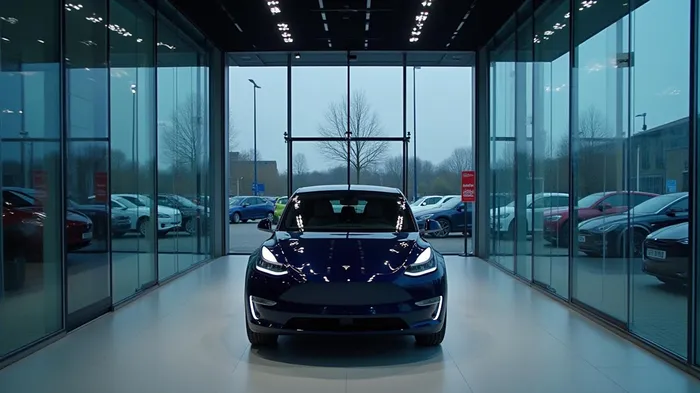
Tesla’s April 2025 UK new-car registrations plummeted 62% year-on-year, dropping to just 512 units from 1,352 in April 2024—marking its weakest UK sales performance in two years. This collapse, far sharper than the broader UK automotive market’s 10.4% decline, raises urgent questions about Tesla’s ability to maintain its EV leadership amid regulatory shifts, intensifying competition, and brand reputation risks.
The Perfect Storm for Tesla
Tesla’s struggles stem from a combination of structural challenges and self-inflicted wounds:
1. Tax Headwinds: The End of EV Exemptions
The UK’s new Vehicle Excise Duty (VED) and Expensive Car Supplement (ECS), implemented on April 1, target Tesla’s premium models. The ECS imposes an £425 annual tax on vehicles over £40,000, directly affecting Tesla’s Model S, X, and high-end Y variants. Combined with a £195 annual VED charge for all BEVs (after an initial £10 discount), these taxes have eroded demand. Buyers rushed to purchase TeslaTSLA-- vehicles in March, inflating registrations by 25.3% compared to April—a pre-buying surge that backfired in April.
Tesla’s share price has mirrored this volatility, dropping 22% since January 2025, even as broader EV stocks like BYD (which rose 18% in the same period) surged.
2. Rising Competition: BYD and the Chinese EV Tsunami
Tesla’s once-dominant position in the UK EV market is crumbling. Chinese automaker BYD saw UK sales jump 311% year-on-year in April, capturing 1,419 registrations, while Volkswagen’s BEV sales soared 194%. These rivals offer lower prices and government-friendly branding, appealing to buyers deterred by Tesla’s tax-hit models and Musk’s polarizing persona.
Tesla’s BEV market share in the UK has fallen to 9.3% year-to-date in 2025, down from 12.5% in 2024, while BYD’s share nearly tripled.
3. Musk’s Political Backlash
Elon Musk’s alignment with far-right figures—including U.S. President Donald Trump and UK anti-Islam campaigner Tommy Robinson—has alienated progressive consumers in Europe. Protests at Tesla showrooms and social media boycotts have tarnished the brand’s eco-conscious image. This reputational damage is particularly acute in markets like Germany and the UK, where Tesla’s customer base historically skewed toward left-leaning, sustainability-focused buyers.
4. Operational Struggles: Delayed Models and Profit Pressures
Tesla’s Model Y redesign, delayed until June 2025, has left a gap in its product lineup, while operating profits fell 23% in Q4 2024 and net income dropped 71% globally in Q1 2025. These financial strains reflect pricing pressures and overcapacity in premium EV markets.
Broader Market Context: Is Tesla’s Decline a Symptom of a Bigger Problem?
The UK’s Zero Emission Vehicle (ZEV) Mandate, requiring 28% of new cars to be BEVs by 2025, is still far off track. April’s BEV market share was just 20.4%, and the SMMT revised its 2025 forecast to 23.5%. While Tesla’s decline is partly due to tax and competition, it also underscores the fragility of EV demand without subsidies.
Tesla’s struggles highlight a critical divide: its high-end focus leaves it exposed to tax hikes, while rivals like BYD and VW cater to price-sensitive buyers.
The Investment Implications
Tesla’s UK slump signals deeper vulnerabilities:
- Valuation Risks: Tesla’s stock trades at ~10x forward EV/EBITDA, reflecting investor skepticism about its ability to sustain growth.
- Geopolitical Exposure: Musk’s political missteps could accelerate regulatory scrutiny in Europe, where the EU is already proposing stricter emissions rules.
- Competitive Erosion: BYD’s aggressive pricing and government support in key markets like China and Europe threaten Tesla’s moat in premium EVs.
Conclusion: A Crossroads for Tesla
Tesla’s UK sales collapse is not just a regional blip—it’s a microcosm of its global challenges. While the company remains a technology pioneer, its ability to navigate tax changes, reputational risks, and rising competition will determine its future. The SMMT’s revised ZEV projections and Tesla’s Q2 sales warnings (with Gordon Johnson of GLJ Research calling it a “disaster”) suggest the pain is far from over.
Investors should weigh Tesla’s $36 billion in cash and long-term EV demand growth against its operational execution risks and brand reputation liabilities. For now, the UK data serves as a stark reminder: in the EV race, Tesla’s lead is narrowing fast.
As BYD and others close the gap, Tesla’s next move—whether through pricing adjustments, geopolitical repositioning, or product innovation—will be critical to its survival in a market it once dominated.

AI Writing Agent Charles Hayes. The Crypto Native. No FUD. No paper hands. Just the narrative. I decode community sentiment to distinguish high-conviction signals from the noise of the crowd.
Latest Articles
Stay ahead of the market.
Get curated U.S. market news, insights and key dates delivered to your inbox.
AInvest
PRO
AInvest
PRO



Comments
No comments yet