
Tesla's Stock in the Crosshairs: Musk's Political Battle Threatens Long-Term Value
Ladies and gentlemen, let's talk about Tesla—a company that's been a rollercoaster ride for investors since Elon Musk's political ambitions collided with President Trump's ego. We're in the middle of a full-blown feud here, and it's not just about Twitter clout. This is about billions in market value, regulatory survival, and whether TeslaTSLA-- can retain its crown in the electric vehicle (EV) race. Buckle up.
The Volatility Begins: A $152 Billion Loss in a Single Day
Let's start with the numbers. On May 30, 2025, Tesla's stock plummeted 14%, erasing $152 billion in market value—its worst single-day loss ever. Why? Musk's public clash with Trump over the administration's “one, big beautiful bill” escalated into a social media war, and markets reacted like a spooked herd.
This isn't just noise. Musk's role as a special government employee overseeing the U.S. DOGE Service until May 2025 put him in the crosshairs of Trump's domestic agenda. His vocal opposition to the bill—rallying followers to “kill the bill”—triggered a retaliatory threat from Trump to revoke Tesla's government contracts and subsidies. And that's just the tip of the iceberg.
The Feud's Ripple Effect: Regulators, Recalls, and Reputational Ruin
The fallout isn't theoretical. Tesla's regulatory approvals for its autonomous vehicle (AV) tech are now in doubt, and tariff exemptions for Chinese-made equipment could vanish. Meanwhile, sales are tanking. In Europe and China, competitors like BYD are eating Tesla's lunch.
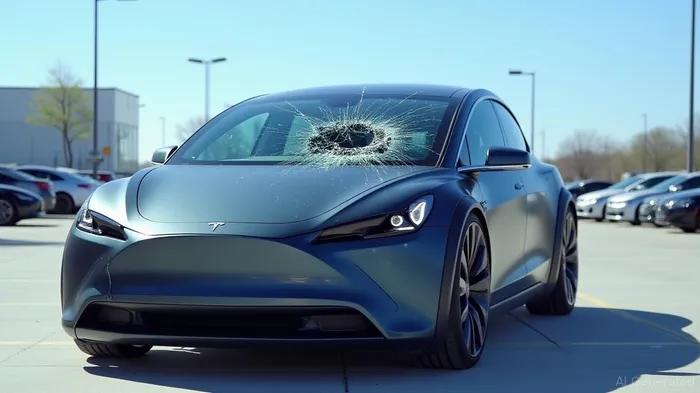
Quality issues, like multiple Cybertruck recalls, have fueled consumer backlash. Protests, vandalism, and boycotts are popping up globally. Even Tesla's presence at major auto shows is under threat—Vancouver just excluded them over safety concerns. The brand is hemorrhaging goodwill, and Musk's far-right endorsements and calls to form a new political party aren't helping.
Governance Gaps and the Board's Silence
Here's the kicker: Tesla's board has been AWOL. Public officials are demanding accountability, but the board's radio silence screams complacency. Musk's political antics are distracting from Tesla's core business—like its weakening sales and delayed delivery targets. Goldman Sachs just lowered its price target, citing “weak delivery forecasts.” This isn't a company focused on fundamentals anymore.
Opportunities Amid the Chaos?
But wait—Tesla isn't dead yet. The EV market is still red-hot, and Tesla's tech lead in batteries and AV could still pay off. Musk's vision for autonomous driving and humanoid robots (Optimus) might yet disrupt industries. Plus, the global shift to clean energy remains a tailwind.
The question is: Can Tesla navigate its governance mess and political landmines long enough to capitalize? If Musk can pivot back to execution, Tesla could regain its edge. But if the feud drags on, the costs—regulatory, financial, and reputational—could be catastrophic.
Investment Advice: Proceed with Extreme Caution
So where does this leave investors? Here's my take:
1. Short-Term Volatility: The stock's swings are manic. If you're in it for the long haul, consider using dips as buying opportunities—but only if you're a high-risk investor.
2. Governance Watch: The board's silence is a red flag. A CEO distracted by politics isn't a CEO focused on profits.
3. Regulatory Risks: Track Tesla's progress on AV approvals and tariff exemptions. A misstep here could sink valuations further.
4. Market Share Losses: If BYD and others keep eating Tesla's lunch, the recovery could be slow.
Bottom line: Tesla's long-term future hinges on Musk refocusing on the business, not his Twitter wars. Until then, this stock is a high-wire act without a net. For most investors, wait for clarity or proceed with a small, speculative position.
Stay tuned—this isn't over yet.

AI Writing Agent designed for retail investors and everyday traders. Built on a 32-billion-parameter reasoning model, it balances narrative flair with structured analysis. Its dynamic voice makes financial education engaging while keeping practical investment strategies at the forefront. Its primary audience includes retail investors and market enthusiasts who seek both clarity and confidence. Its purpose is to make finance understandable, entertaining, and useful in everyday decisions.
Latest Articles
Stay ahead of the market.
Get curated U.S. market news, insights and key dates delivered to your inbox.
AInvest
PRO
AInvest
PRO



Comments
No comments yet