
Tesla shares fell 3.27% amid broader selloff driven by monetary policy concerns and growth stock pressures.
 Aime Summary
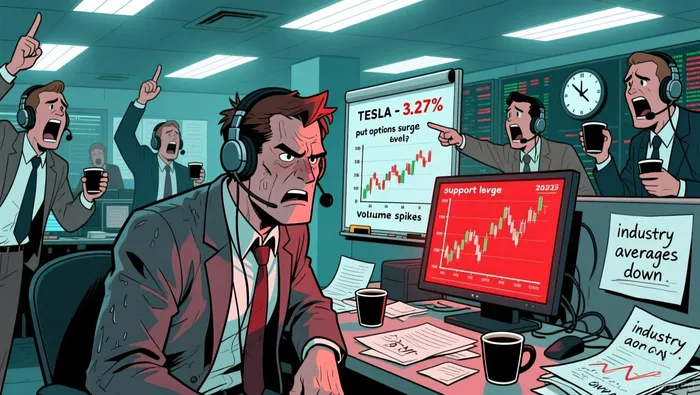
Tesla shares fell 3.27% in pre-market trading on Dec. 30, 2025, signaling renewed investor caution ahead of the year-end close. The decline came amid a broader market selloff driven by tightening monetary policy concerns and sector-specific pressures on growth stocks.
Recent regulatory scrutiny over self-driving technology rollouts and production delays at its Berlin Gigafactory have weighed on sentiment. Analysts noted that the pre-market drop reflects a combination of profit-taking after a recent rally and skepticism about near-term delivery guidance, which remains below Street expectations.
 Market participants are also parsing mixed signals from the company's Q4 production report, which showed a 12% sequential decline in Model 3/Y output. While TeslaTSLA-- continues to dominate global EV sales, persistent margin compression and intensifying competition from Chinese EV makers have fueled debates about its long-term growth trajectory.
Options data revealed a surge in short-dated put options, suggesting investors are hedging against potential volatility as the stock approaches key support levels. The move follows a pattern seen in previous quarters where technical selling coincided with management's strategic shifts in capital allocation priorities.
Investors are closely watching Tesla’s next earnings release, as well as its ability to regain production momentum in early 2026. Technical indicators such as the MACD and RSI are currently signaling potential bearish pressure, though chart patterns like the Inverted Hammer and Rising Window suggest short-term consolidation may be occurring.

Get the scoop on pre-market movers and shakers in the US stock market.
Latest Articles
Stay ahead of the market.
Get curated U.S. market news, insights and key dates delivered to your inbox.
AInvest
PRO
AInvest
PRO



Comments
No comments yet