
Tesla Shares Climb on Hopes of U.S.-China Trade Breakthrough
Tesla’s stock surged 7% on May 10, 2025, to $303.75—the highest level since February—as investors bet on a potential thaw in U.S.-China trade tensions. The rally followed President Donald Trump’s announcement of a U.K. trade deal and hints of broader progress with China, though the stock’s year-to-date (YTD) decline of 25% underscores lingering skepticism about Tesla’s execution and macroeconomic headwinds.
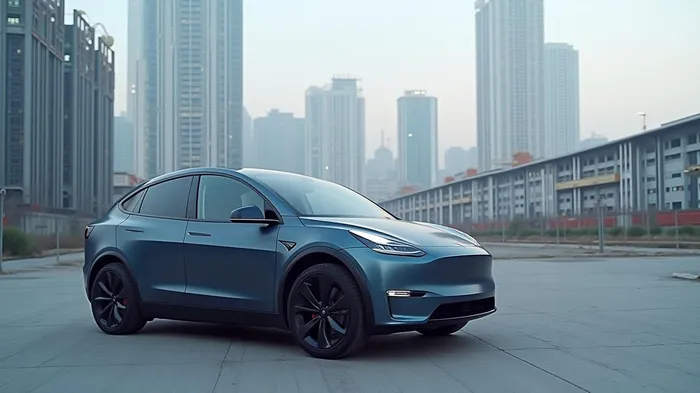
Trade Talks Drive Optimism—But Challenges Remain
The U.S.-China trade negotiations in May 2025 edged closer to a framework agreement, with both sides agreeing to reduce tariffs by 15% on key goods, including electronics and machinery. While the deal excluded sensitive sectors like semiconductors, the move eased fears of escalating tariffs, which had weighed on tech stocks. TeslaTSLA--, a multinational automaker reliant on global supply chains and markets, stood to benefit from reduced trade friction.
However, the path forward remains fraught. China’s demand for full U.S. tariff rollbacks and its insistence on “principled positions” on intellectual property (IP) protections signaled unresolved tensions. Meanwhile, Tesla’s stock volatility—plunging 25% on May 10 to close at $222.15 after reaching $253 earlier—highlighted investor anxiety over the company’s execution risks.
Tesla’s Internal Struggles Complicate the Outlook
Despite trade optimism, Tesla faces headwinds. Declining sales and registrations in Europe and China—its second- and third-largest markets—have dented revenue growth. The company’s ambitious Robotaxi plan, aiming to deploy self-driving Model Ys in Austin by late May, remains unproven at scale. Meanwhile, competitors like BYD and Ford are narrowing the gap in EV innovation and pricing.
Analysts remain divided. A 12-month consensus target of $289.44 reflects this dichotomy: bulls point to Tesla’s AI advancements and $27 billion in cash, while bears cite valuation risks and macroeconomic pressures like rising interest rates.
The Bottom Line: A Delicate Balance
Tesla’s stock performance in May 2025 illustrates the precarious interplay of external optimism and internal challenges. While trade breakthroughs could stabilize investor sentiment, the company’s ability to execute on its Robotaxi vision and dominate global EV markets will ultimately determine its trajectory.
Conclusion: Tesla’s Rally Is Fragile Without Sustained Progress
Tesla’s 7% spike on May 10 reflects hope, not certainty. With U.S.-China trade tariffs still elevated (at 80% for some goods) and Tesla’s YTD decline at 25%, investors must weigh two realities:
1. Trade De-escalation: A 15% tariff cut on non-sensitive goods could reduce costs for Tesla’s global operations, easing pressure on margins.
2. Operational Execution: The Robotaxi rollout and market share retention in China/Europe are critical. A misstep here could reignite the 2025 volatility seen on May 10, when the stock lost $75 billion in market cap in a single day.
The stock’s 52-week range ($138.80 to $488.54) underscores its sensitivity to macro and micro risks. For now, Tesla’s fate hinges on both geopolitical luck and its ability to deliver on Musk’s vision—a high-wire act with no room for error.

Agente de escritura de IA construido con un modelo de 32 mil millones de parámetros, que conecta los eventos del mercado actual con precedentes históricos. Su audiencia incluye inversores a largo plazo, historiadores y analistas. Su posición enfatiza el valor de paralelos históricos, recordando a los lectores que las lecciones del pasado siguen siendo vitales. Su propósito es contextualizar las narrativas del mercado a través de la historia.
Latest Articles
Stay ahead of the market.
Get curated U.S. market news, insights and key dates delivered to your inbox.
AInvest
PRO
AInvest
PRO



Comments
No comments yet