
Tesla’s Q1 Earnings Miss Sparks Debate: Is Now the Time to Buy the Dip?
Tesla’s first-quarter earnings report delivered a mixed bag of underwhelming financials and bold promises for the future. While revenue and margins disappointed, CEO Elon Musk’s vision for robotaxis, Full Self-Driving (FSD) technology, and energy storage stole the spotlight. As investors digest the results, historical data reveals a tantalizing opportunity: buying TeslaTSLA-- shares after an earnings miss has historically generated outsized returns. But with macroeconomic headwinds and Tesla’s shifting priorities, does this strategy still hold weight?
Q1 Earnings: The Numbers Tell a Story of Transition
Tesla reported Q1 revenue of 19.3 billion, down 9% year-over-year and below the $21.3 billion consensus estimate. Adjusted earnings per share (EPS) of 0.27 fell short of the 0.43 forecast, while automotive gross margins (excluding regulatory credits) contracted to 12.5%, well below historical highs. Vehicle deliveries dropped to 336,681 units, a 20% sequential decline, as factory retooling for the new Model Y and softer demand weighed on results.
The automotive segment bore the brunt of the pain, with revenue falling to $13.97 billion amid price cuts and discounts. However, Tesla’s energy storage business emerged as a bright spot, deploying a record 10.4 GWh of battery storage. Management highlighted growing demand from AI data centers and utilities, positioning energy as a long-term growth pillar.
Despite the challenges, Tesla’s liquidity remains robust, with 37 billionin cash and equivalents. Free cash flow 664 million, though below estimates, signals resilience in a volatile market.
Musk’s Vision: Robotaxis, FSD, and Optimus Take Center Stage
While financial metrics disappointed, Musk’s commentary during the earnings call focused on Tesla’s future. Key takeaways include:
Robotaxi Launch: A pilot program in Austin is slated for June, with broader commercialization targeted by 2025.
FSD Expansion: The latest FSD v12.3 software, now available in China without localized training data, marks a technical breakthrough.
Optimus Robots: Early deployments in factories by 2025 could revolutionize manufacturing efficiency.
Affordable Models: A new vehicle platform, set for production in 2025, aims to democratize EV adoption.
These initiatives underscore Tesla’s pivot from a pure-play automaker to an AI and energy disruptor. “The future of Tesla lies in autonomy and scalable energy solutions,” Musk emphasized, downplaying short-term margin concerns.
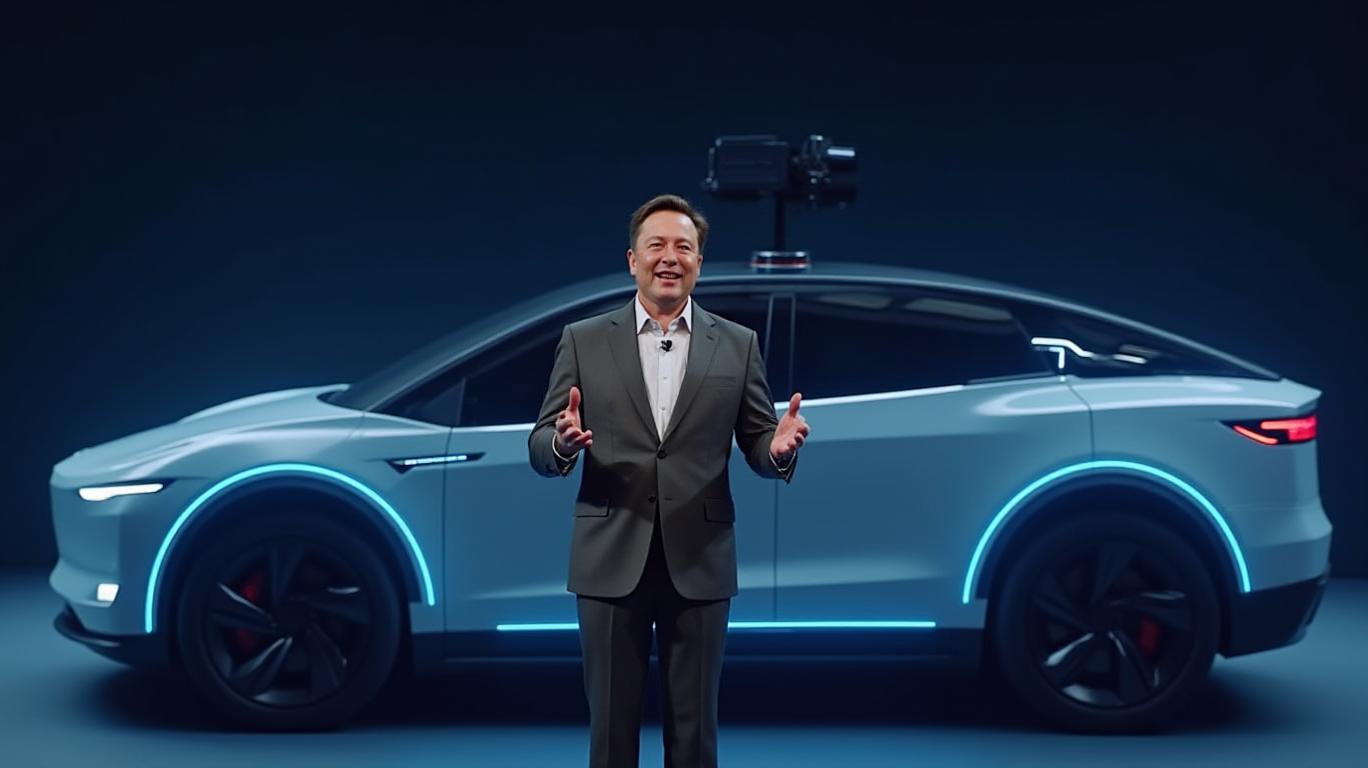
Historical Strategy: Buying the Earnings Miss Pays Off.
A backtest of buying Tesla shares after an earnings miss and holding for 60 days reveals staggering results. From April 2020 to April 2025, this strategy generated a 176.92% return, dwarfing the benchmark’s 86.47% gain. Despite a maximum drawdown of -26.22%, the Sharpe ratio of 0.95 suggests strong risk-adjusted returns.
Why does this work?
Musk’s Narrative Power: Tesla’s stock often trades on future potential rather than present fundamentals. Post-earnings sell-offs are frequently reversed as Musk refocuses attention on moonshot projects.
Retail Investor Sentiment: Tesla’s loyal retail base views dips as buying opportunities, creating momentum.
Execution on Promises: Even delayed timelines (e.g., Cybertruck, FSD) have historically fueled optimism once progress is demonstrated.
Will History Repeat? Risks vs. Opportunities in 2024
While the backtest data is compelling, today’s market dynamics add complexity:
Bull Case:
Robotaxi Catalyst: A successful Austin pilot could validate Tesla’s autonomy claims, reigniting growth narratives.
Energy Storage Momentum: Record deployments and AI-driven demand position Tesla to capitalize on grid modernization.
Cheaper Models: The 2025 vehicle platform may alleviate concerns about slowing EV adoption.
Bear Case:
Macro Pressures: Rising tariffs (notably on Chinese EVs) and supply chain costs threaten margins.
FSD Regulatory Hurdles: Global scrutiny of autonomous tech could delay monetization.
Competition: Rivals like BYD and legacy automakers are closing the gap on EVs and software.
Analysts remain divided. “Tesla’s energy and AI bets are transformative, but execution risk is high,” warns Morgan Stanley’s Adam Jonas. Meanwhile, ARK Invest’s Cathie Wood argues, “Autonomy could make Tesla a $2,000 stock by 2027.”
The Bottom Line: A High-Stakes Gamble
Tesla’s Q1 report highlights a company in transition. While near-term challenges persist, Musk’s ability to rally investors around long-term visions has historically paid off for dip-buyers. For risk-tolerant investors, the current pullback (shares fell 2% post-earnings) may represent an entry point ahead of pivotal robotaxi and FSD updates.
However, with geopolitical tensions, tariff risks, and Musk’s divided focus (including ventures like xAI and Dogecoin advocacy), caution is warranted. As Tesla navigates its “wartime CEO” era, the stock’s trajectory will hinge on whether Musk can deliver tangible progress—or if patience for promises finally wears thin.
Investor Takeaway: Monitor Musk’s upcoming announcements on August’s Robotaxi event and Q2 margins. For now, the historical playbook suggests buying the dip could pay handsomely—but strap in for turbulence.

Market Radar delivers concise, daily trading ideas by tracking everything from options activity and market sentiment to high-profile political trades.
Latest Articles
Stay ahead of the market.
Get curated U.S. market news, insights and key dates delivered to your inbox.
AInvest
PRO
AInvest
PRO



Comments
No comments yet