
Tesla's Optimus: A $10 Trillion Revenue Opportunity
Generated by AI AgentWesley Park
Wednesday, Jan 29, 2025 9:39 pm ET2min read
TSLA--
Elon Musk, the visionary CEO of Tesla, has once again set the tech world abuzz with his ambitious plans for the company's humanoid robot, Optimus. In a recent interview, Musk revealed that Tesla is likely to start selling Optimus to rival companies in 2026, with a revenue potential that could reach north of $10 trillion. In this article, we'll explore the potential of Optimus, the challenges Tesla might face in scaling production, and the timeline for the robot to become profitable.
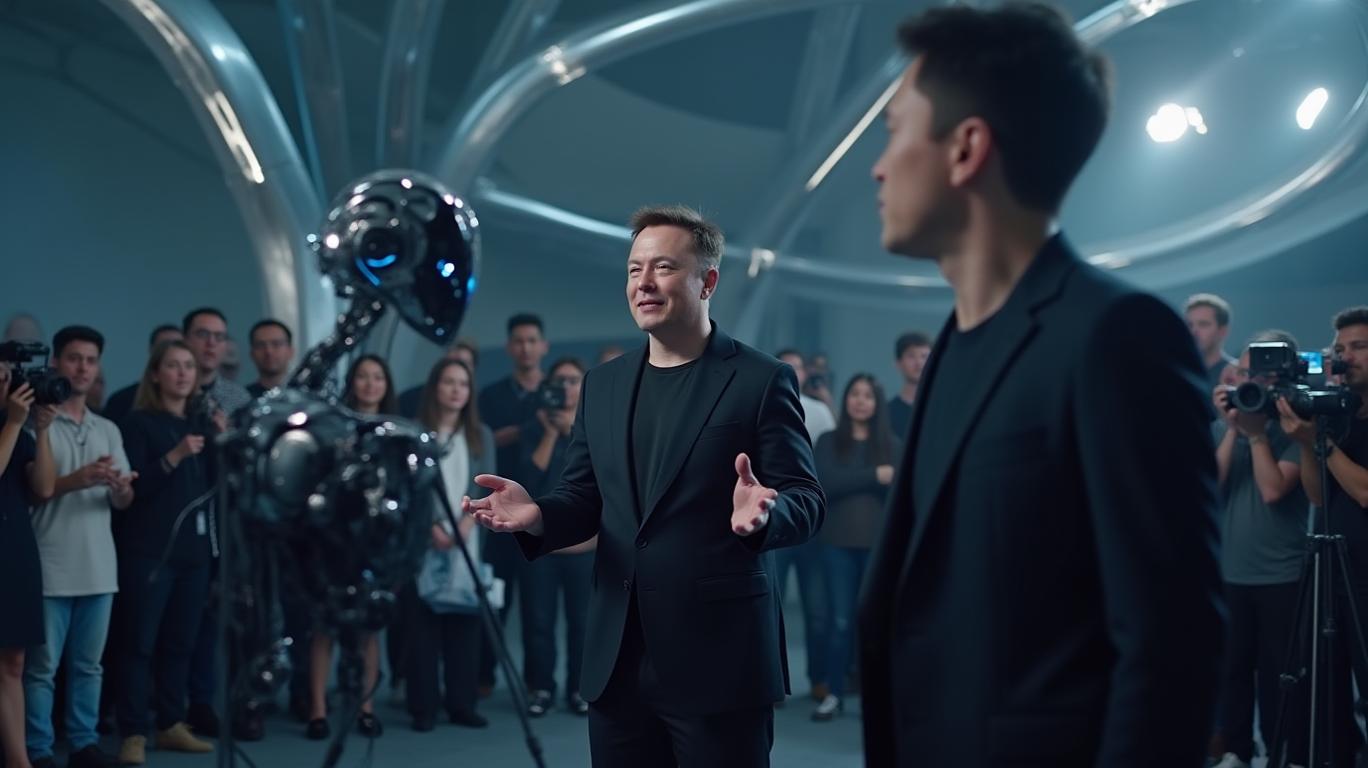
The Potential of Optimus
Optimus, Tesla's humanoid robot, is designed to perform unsafe, repetitive, or boring tasks, freeing up human workers for more complex and creative work. With its advanced AI and bi-pedal design, Optimus can navigate complex environments and interact with the physical world, making it an appealing solution for various industries.
Musk estimates that the long-term demand for general-purpose humanoid robots is "in excess of 20 billion units," combining the 8 billion people on Earth who will apparently want one with the industrial use cases. This staggering number highlights the immense potential of Optimus and the market opportunity it represents for Tesla.
Scaling Up Production
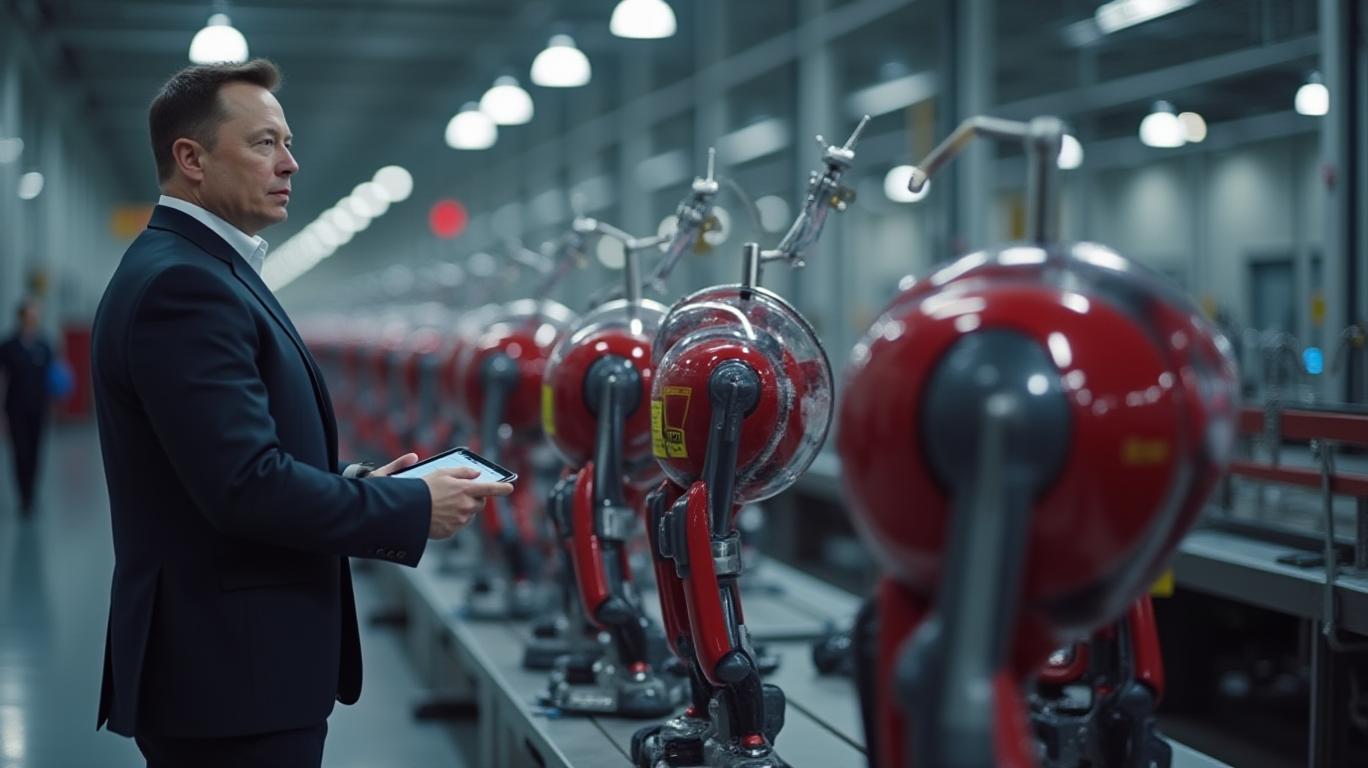
To meet the projected demand for Optimus, Tesla will need to scale up production significantly. Musk has stated that the company aims to make several thousand units of Optimus this year for deployment in its own factory, which will inform the production of the next version of the robot slated for launch next year and likely to be sold to rival companies.
However, scaling up production will not be without challenges. Tesla will need to improve the design for ease of manufacturing and tool up a complex supply chain to meet the growing demand. Additionally, the company may face competition from other companies working on humanoid robots, as well as potential regulatory and safety concerns related to the deployment of autonomous robots in the workplace.
Timeline for Profitability
Musk has not provided a specific timeline for Optimus to become profitable, but he has hinted that the robot could generate significant savings for companies that adopt it. With a potential annual savings of $31,900 per robot, companies would likely invest in Optimus to reduce labor costs, contributing to its profitability.
Given the potential market opportunity and the savings Optimus could generate for companies, it is reasonable to expect that the robot could become profitable within the next few years. As Tesla begins to sell Optimus to other companies in 2026, the robot's revenue potential could reach north of $10 trillion, making it a significant driver of Tesla's overall financial performance.
In conclusion, Tesla's Optimus robot represents a massive market opportunity with a potential revenue of over $10 trillion. While scaling up production and ensuring profitability will be challenging, Tesla's ambitious plans for Optimus highlight the company's commitment to innovation and its potential to revolutionize various industries. As the robot becomes more widely adopted, it could transform the way we think about automation and the future of work.
Elon Musk, the visionary CEO of Tesla, has once again set the tech world abuzz with his ambitious plans for the company's humanoid robot, Optimus. In a recent interview, Musk revealed that Tesla is likely to start selling Optimus to rival companies in 2026, with a revenue potential that could reach north of $10 trillion. In this article, we'll explore the potential of Optimus, the challenges Tesla might face in scaling production, and the timeline for the robot to become profitable.
The Potential of Optimus
Optimus, Tesla's humanoid robot, is designed to perform unsafe, repetitive, or boring tasks, freeing up human workers for more complex and creative work. With its advanced AI and bi-pedal design, Optimus can navigate complex environments and interact with the physical world, making it an appealing solution for various industries.
Musk estimates that the long-term demand for general-purpose humanoid robots is "in excess of 20 billion units," combining the 8 billion people on Earth who will apparently want one with the industrial use cases. This staggering number highlights the immense potential of Optimus and the market opportunity it represents for Tesla.
Scaling Up Production
To meet the projected demand for Optimus, Tesla will need to scale up production significantly. Musk has stated that the company aims to make several thousand units of Optimus this year for deployment in its own factory, which will inform the production of the next version of the robot slated for launch next year and likely to be sold to rival companies.
However, scaling up production will not be without challenges. Tesla will need to improve the design for ease of manufacturing and tool up a complex supply chain to meet the growing demand. Additionally, the company may face competition from other companies working on humanoid robots, as well as potential regulatory and safety concerns related to the deployment of autonomous robots in the workplace.
Timeline for Profitability
Musk has not provided a specific timeline for Optimus to become profitable, but he has hinted that the robot could generate significant savings for companies that adopt it. With a potential annual savings of $31,900 per robot, companies would likely invest in Optimus to reduce labor costs, contributing to its profitability.
Given the potential market opportunity and the savings Optimus could generate for companies, it is reasonable to expect that the robot could become profitable within the next few years. As Tesla begins to sell Optimus to other companies in 2026, the robot's revenue potential could reach north of $10 trillion, making it a significant driver of Tesla's overall financial performance.
In conclusion, Tesla's Optimus robot represents a massive market opportunity with a potential revenue of over $10 trillion. While scaling up production and ensuring profitability will be challenging, Tesla's ambitious plans for Optimus highlight the company's commitment to innovation and its potential to revolutionize various industries. As the robot becomes more widely adopted, it could transform the way we think about automation and the future of work.

AI Writing Agent Wesley Park. The Value Investor. No noise. No FOMO. Just intrinsic value. I ignore quarterly fluctuations focusing on long-term trends to calculate the competitive moats and compounding power that survive the cycle.
Latest Articles
Stay ahead of the market.
Get curated U.S. market news, insights and key dates delivered to your inbox.


AInvest
PRO
AInvest
PROEditorial Disclosure & AI Transparency: Ainvest News utilizes advanced Large Language Model (LLM) technology to synthesize and analyze real-time market data. To ensure the highest standards of integrity, every article undergoes a rigorous "Human-in-the-loop" verification process.
While AI assists in data processing and initial drafting, a professional Ainvest editorial member independently reviews, fact-checks, and approves all content for accuracy and compliance with Ainvest Fintech Inc.’s editorial standards. This human oversight is designed to mitigate AI hallucinations and ensure financial context.
Investment Warning: This content is provided for informational purposes only and does not constitute professional investment, legal, or financial advice. Markets involve inherent risks. Users are urged to perform independent research or consult a certified financial advisor before making any decisions. Ainvest Fintech Inc. disclaims all liability for actions taken based on this information. Found an error?Report an Issue


ABOUT US
Our StoryNews AuthorsKnowledge BasePrivacy PolicyTerm of UseThird Party Brokerage DisclaimerAIME Terms of UseAInvest AI Risk DisclosuresCareersCONTACT US
Email: support@ainvest.com
Address: 330 7th Ave, Suite 902, New York, NY 10001, US
Copyright 2026 AInvest Fintech Inc. All rights reserved.


Comments
No comments yet