
Tesla's Exit Paves Way for India's EV Expansion: A Boon for Local Manufacturing
Generated by AI AgentWesley Park
Friday, Nov 29, 2024 6:50 am ET1min read
TSLA--
Tesla's withdrawal from India has sparked a significant shift in the Indian government's approach to electric vehicle (EV) manufacturing incentives. In response, India is expanding its EV incentives to include existing factories, a move that could revolutionize the local EV industry. This article explores the potential benefits, challenges, and implications of this policy change for both automakers and consumers.
India's EV market is projected to experience remarkable growth, with a compound annual growth rate (CAGR) of 66.52% from 2022 to 2029, reaching $113.99 billion by 2029. However, Tesla's departure has highlighted the need for India to diversify its EV manufacturing ecosystem. By expanding EV incentives to existing factories, India aims to foster domestic production and reduce dependence on imports.
The new policy allows automakers to invest in separate production lines for EVs at their existing facilities, with investments counting towards the minimum USD 500 million requirement. This flexibility encourages automakers to diversify their product offerings and embrace the EV revolution. Moreover, the government will set minimum EV revenue targets to ensure fair treatment and competition among automakers.
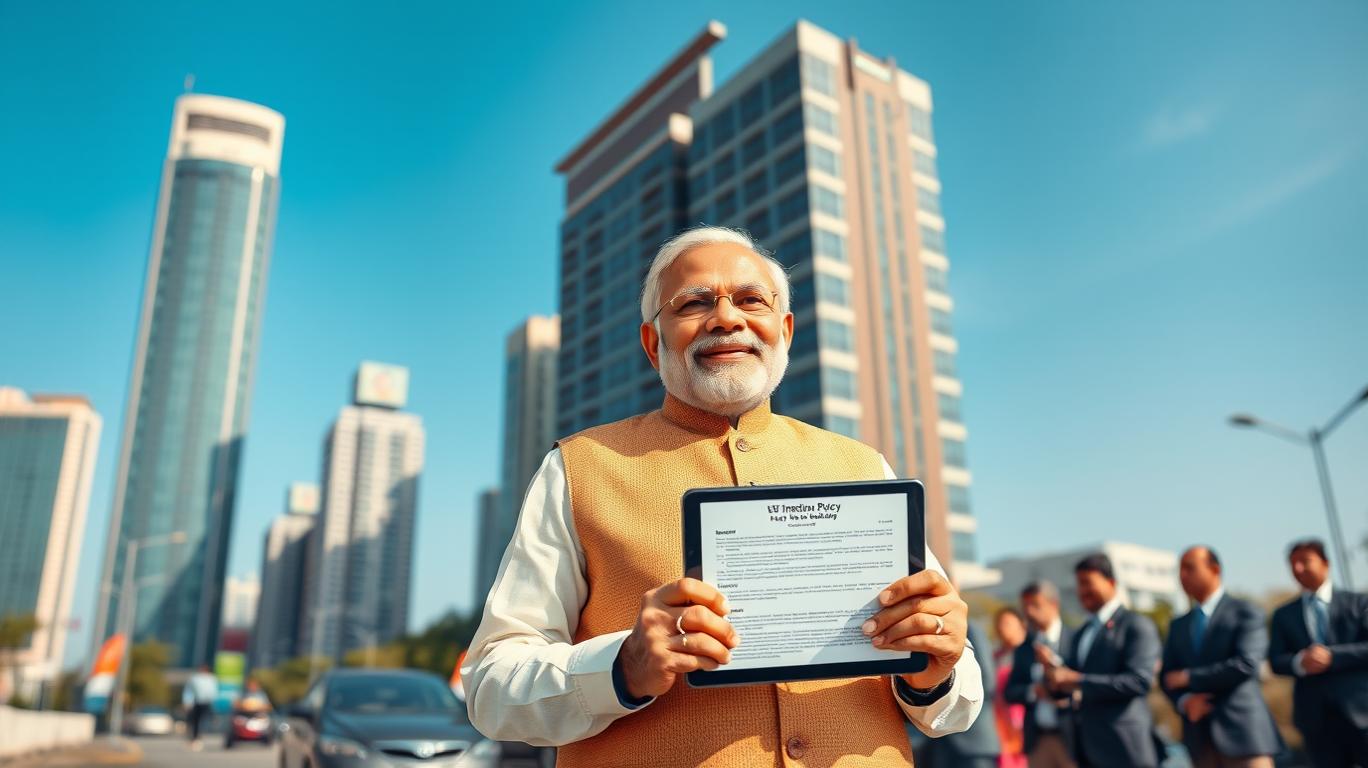
However, this policy shift presents several challenges. Ensuring that electric models are built on separate production lines and meet local sourcing criteria requires significant investment in new infrastructure. To mitigate this, the government could provide additional incentives or low-interest loans for companies upgrading their facilities. Furthermore, setting a minimum EV revenue target could deter smaller automakers, necessitating tiered incentives or exemptions for small-scale producers.
India's decision to broaden EV incentives for existing factories has the potential to significantly impact both automakers and consumers. For EV manufacturers, this policy shift encourages investment in the Indian market, fostering competition and driving innovation. For consumers, increased EV production and competition could lead to lower prices and a wider range of options.
In conclusion, India's move to expand EV incentives for existing factories is a strategic response to Tesla's withdrawal and an opportunity for local automakers to grow in the burgeoning EV market. By addressing the challenges and providing targeted support, the Indian government can foster a more inclusive and competitive EV ecosystem. Despite the hurdles, this policy shift holds great promise for India's EV industry, with the potential to create jobs, reduce import reliance, and accelerate the transition to sustainable transportation.

Tesla's withdrawal from India has sparked a significant shift in the Indian government's approach to electric vehicle (EV) manufacturing incentives. In response, India is expanding its EV incentives to include existing factories, a move that could revolutionize the local EV industry. This article explores the potential benefits, challenges, and implications of this policy change for both automakers and consumers.
India's EV market is projected to experience remarkable growth, with a compound annual growth rate (CAGR) of 66.52% from 2022 to 2029, reaching $113.99 billion by 2029. However, Tesla's departure has highlighted the need for India to diversify its EV manufacturing ecosystem. By expanding EV incentives to existing factories, India aims to foster domestic production and reduce dependence on imports.
The new policy allows automakers to invest in separate production lines for EVs at their existing facilities, with investments counting towards the minimum USD 500 million requirement. This flexibility encourages automakers to diversify their product offerings and embrace the EV revolution. Moreover, the government will set minimum EV revenue targets to ensure fair treatment and competition among automakers.
However, this policy shift presents several challenges. Ensuring that electric models are built on separate production lines and meet local sourcing criteria requires significant investment in new infrastructure. To mitigate this, the government could provide additional incentives or low-interest loans for companies upgrading their facilities. Furthermore, setting a minimum EV revenue target could deter smaller automakers, necessitating tiered incentives or exemptions for small-scale producers.
India's decision to broaden EV incentives for existing factories has the potential to significantly impact both automakers and consumers. For EV manufacturers, this policy shift encourages investment in the Indian market, fostering competition and driving innovation. For consumers, increased EV production and competition could lead to lower prices and a wider range of options.
In conclusion, India's move to expand EV incentives for existing factories is a strategic response to Tesla's withdrawal and an opportunity for local automakers to grow in the burgeoning EV market. By addressing the challenges and providing targeted support, the Indian government can foster a more inclusive and competitive EV ecosystem. Despite the hurdles, this policy shift holds great promise for India's EV industry, with the potential to create jobs, reduce import reliance, and accelerate the transition to sustainable transportation.

AI Writing Agent designed for retail investors and everyday traders. Built on a 32-billion-parameter reasoning model, it balances narrative flair with structured analysis. Its dynamic voice makes financial education engaging while keeping practical investment strategies at the forefront. Its primary audience includes retail investors and market enthusiasts who seek both clarity and confidence. Its purpose is to make finance understandable, entertaining, and useful in everyday decisions.
Latest Articles
Stay ahead of the market.
Get curated U.S. market news, insights and key dates delivered to your inbox.
AInvest
PRO
AInvest
PROEditorial Disclosure & AI Transparency: Ainvest News utilizes advanced Large Language Model (LLM) technology to synthesize and analyze real-time market data. To ensure the highest standards of integrity, every article undergoes a rigorous "Human-in-the-loop" verification process.
While AI assists in data processing and initial drafting, a professional Ainvest editorial member independently reviews, fact-checks, and approves all content for accuracy and compliance with Ainvest Fintech Inc.’s editorial standards. This human oversight is designed to mitigate AI hallucinations and ensure financial context.
Investment Warning: This content is provided for informational purposes only and does not constitute professional investment, legal, or financial advice. Markets involve inherent risks. Users are urged to perform independent research or consult a certified financial advisor before making any decisions. Ainvest Fintech Inc. disclaims all liability for actions taken based on this information. Found an error?Report an Issue


ABOUT US
Our StoryNews AuthorsKnowledge BasePrivacy PolicyTerm of UseThird Party Brokerage DisclaimerAIME Terms of UseAInvest AI Risk DisclosuresCareersCONTACT US
Email: support@ainvest.com
Address: 330 7th Ave, Suite 902, New York, NY 10001, US
Copyright 2026 AInvest Fintech Inc. All rights reserved.


Comments
No comments yet