
Tesla's Cybercab Unveiling: A Bold Step Toward an Autonomous Future
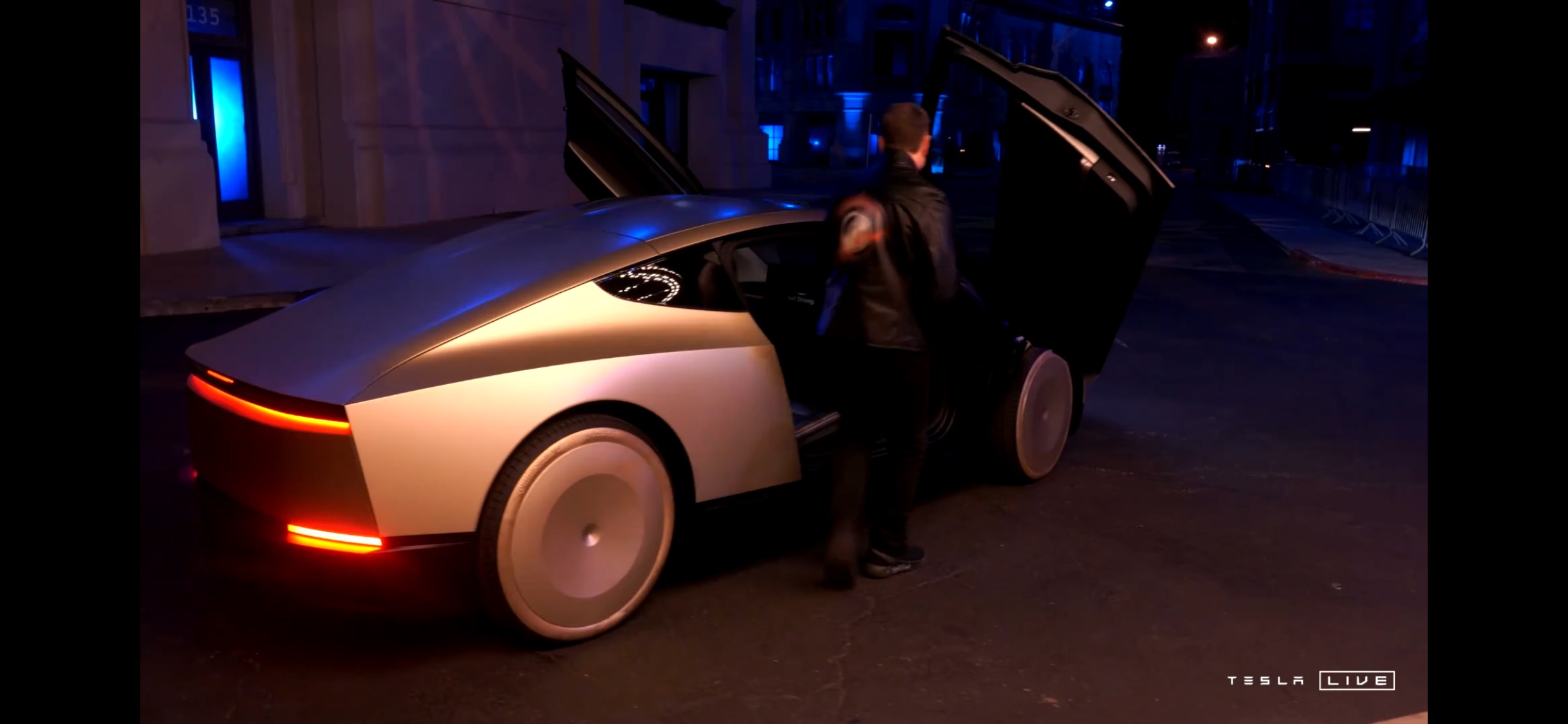
Tesla has unveiled its latest innovation, the Cybercab, at the WE, ROBOT event. This autonomous taxi, which also includes a self-driving Model Y, signifies a key stride in Tesla's advancement toward driverless technology. The company's CEO, Elon Musk, highlighted that the Cybercab is designed without a steering wheel or pedals, emphasizing a future where roads are dominated by fully autonomous vehicles.

The anticipation for Tesla's unveiling has been building for quite some time, with industry inside expecting this announcement earlier in the year. However, the introduction of Cybercab comes amid growing competition, as other companies have begun deploying their own autonomous vehicle solutions. This has put some pressure on Tesla's market position.
Production of the Cybercab is slated to begin in 2026, with an expected cost of under $30,000, and inductive charging will be introduced in Cybercab. Musk emphasized the economic viability of the Cybercab, stating that operational costs could be reduced to around $0.10 per mile, a stark contrast to the current cost of about $1 per mile. This price point positions the Cybercab as an affordable alternative to traditional transportation, potentially revolutionizing urban mobility.
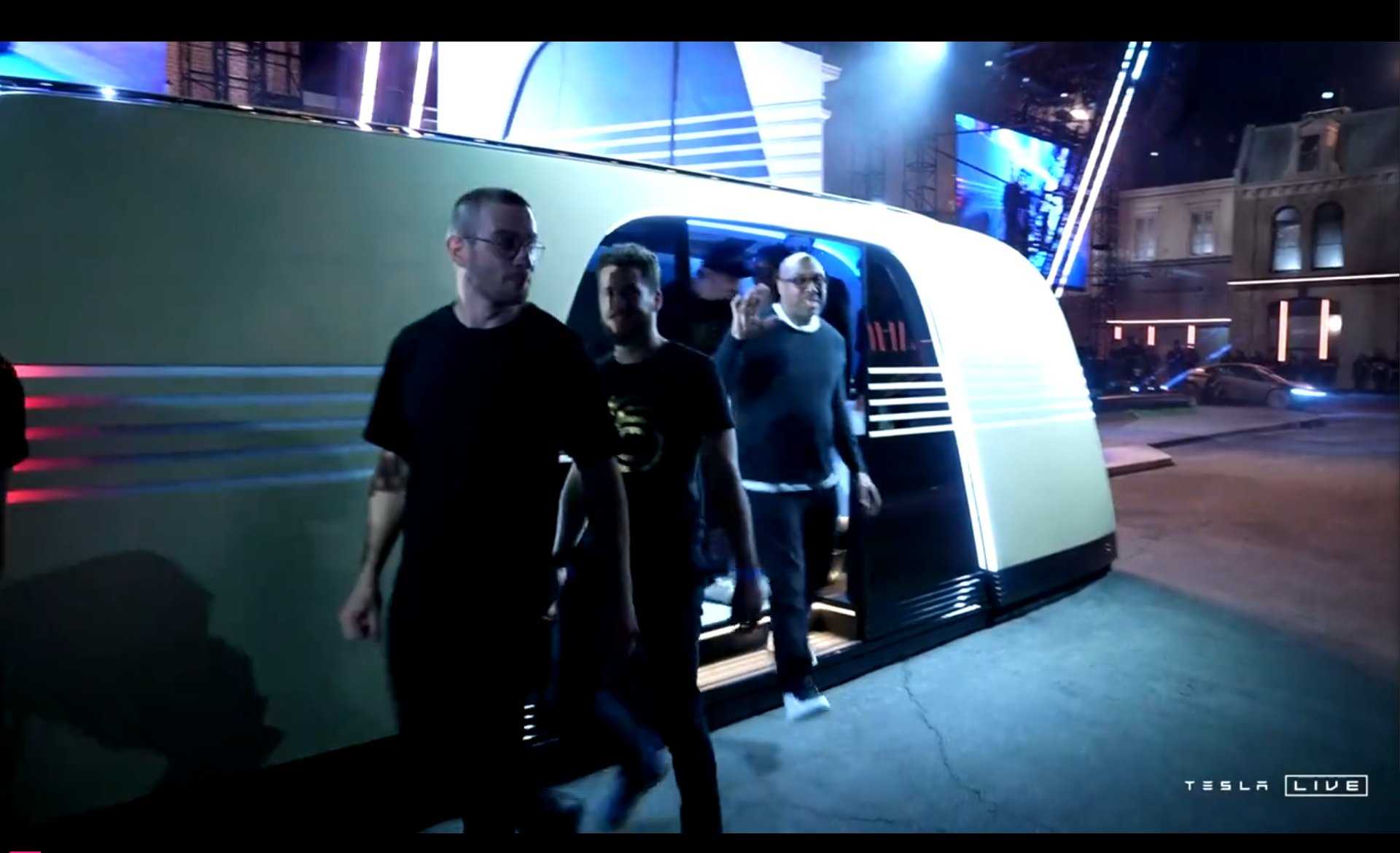
In addition to the Cybercab and Model Y, Musk also unveiled a driverless van called a robovan that can carry up to 20 people at a time.
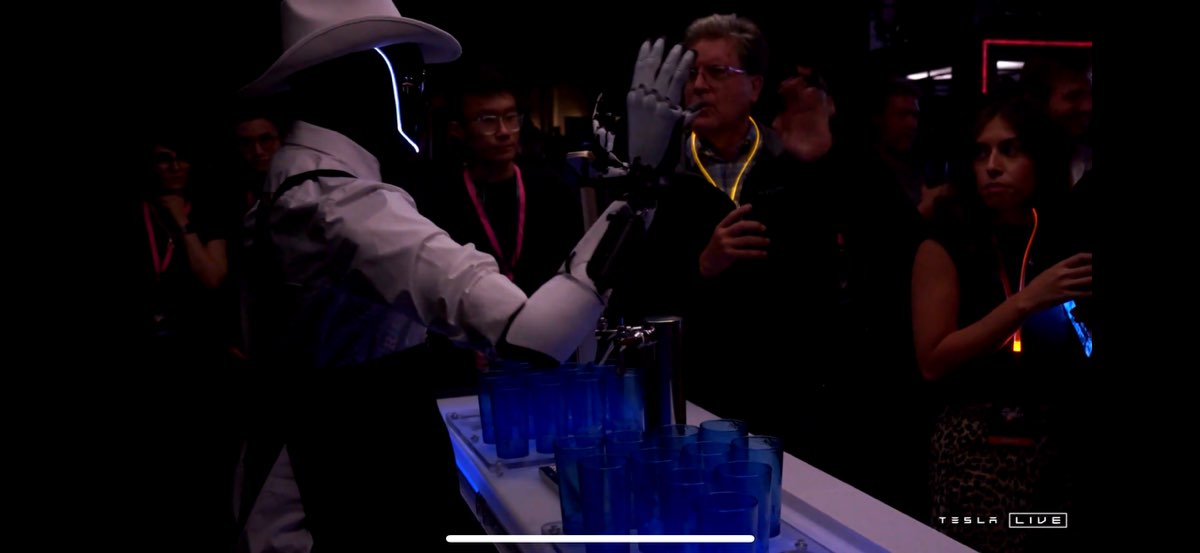
Another focus of the conference was the humanoid robot Optimus, Musk said that Tesla has made great progress on the humanoid robot Optimus. In the future, the Optimus will cost between $20,000 and $30,000 when produced at scale.
Safety remains a pivotal focus, with Musk asserting that vehicles equipped with Full Self-Driving (FSD) technology would be approximately ten times safer than those operated by humans. This enhancement in safety could transform public perceptions of autonomous vehicles, aligning with Musk's vision to provide a driving experience as safe and enjoyable as using a smartphone.
Despite the ambitious plans, Tesla faces potential hurdles internationally, particularly in regions with stringent data regulations which could impede the deployment of autonomous taxis. For instance, questions loom over Tesla's ability to navigate the complex regulatory environment in China, a market critical to Tesla's global strategy.
Discussions with US regulators are ongoing, as Tesla intends to pave the way for widespread adoption of the Cybercab. Furthermore, Tesla is keenly focused on expanding its autonomous fleet's reach to other global markets, though regulatory compliance will play a crucial role in these efforts.
As Tesla prepares to navigate these challenges, the introduction of the Cybercab marks a significant milestone in the automotive industry, one that could redefine how people imagine transportation in the coming years. The journey ahead will demand not just technological innovation but also strategic navigation through the global regulatory landscape.

Stay ahead of the market.
Get curated U.S. market news, insights and key dates delivered to your inbox.
AInvest
PRO
AInvest
PRO



Comments
No comments yet