
Tesla's Brand Value Plummets: Elon Musk's Political Push or Market Saturation?
Generated by AI AgentWesley Park
Thursday, Jan 23, 2025 2:22 pm ET2min read
TSLA--
In a surprising turn of events, Tesla's brand value has taken a significant hit, dropping by a staggering $15 billion in 2024, according to a recent report by Brand Finance. This decline has raised questions about the impact of Elon Musk's political leanings and public persona on the electric vehicle (EV) giant's reputation. Let's delve into the factors contributing to this dramatic shift and explore whether Musk's political push has indeed hurt Tesla's brand.
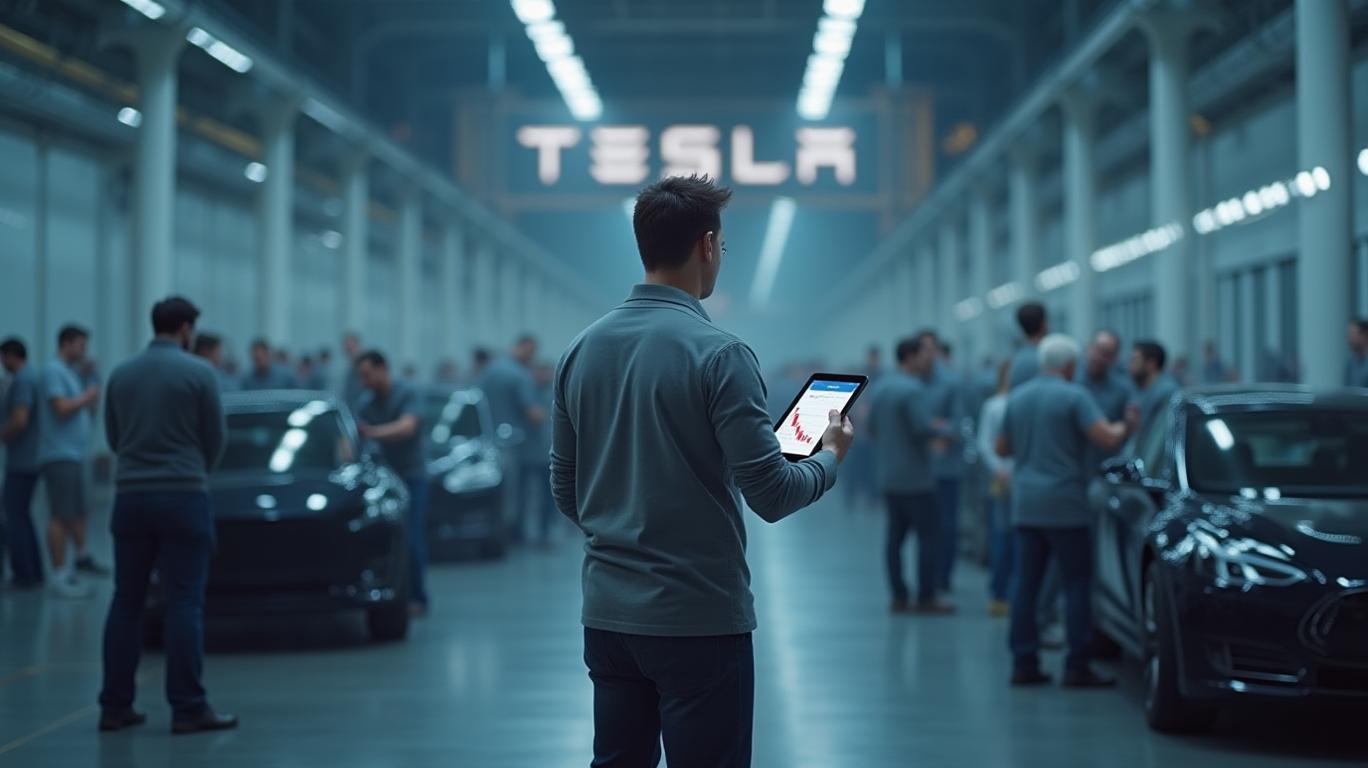
Tesla's brand value has been on a downward trajectory for the past two years, with a 26% decline in 2024 alone. This decline can be attributed to several factors, including an aging vehicle lineup and the "antagonism" caused by Elon Musk's public persona. According to Brand Finance CEO David Haigh, "There are people who think he's wonderful, but many that don't. If you're buying electric vehicles, his persona is highly likely to impact your view of whether or not you want to buy one of his company's cars, but that's only one of many factors."
Musk's political stance and controversial statements have undoubtedly drawn criticism and divided public opinion. His financial support for Donald Trump's 2024 presidential campaign and his appointment as the head of the efficiency department (DOGE) in the new administration have likely influenced consumer perceptions of Tesla. However, it is essential to consider that the decline in Tesla's brand value may also be a result of market saturation and increased competition in the EV sector.
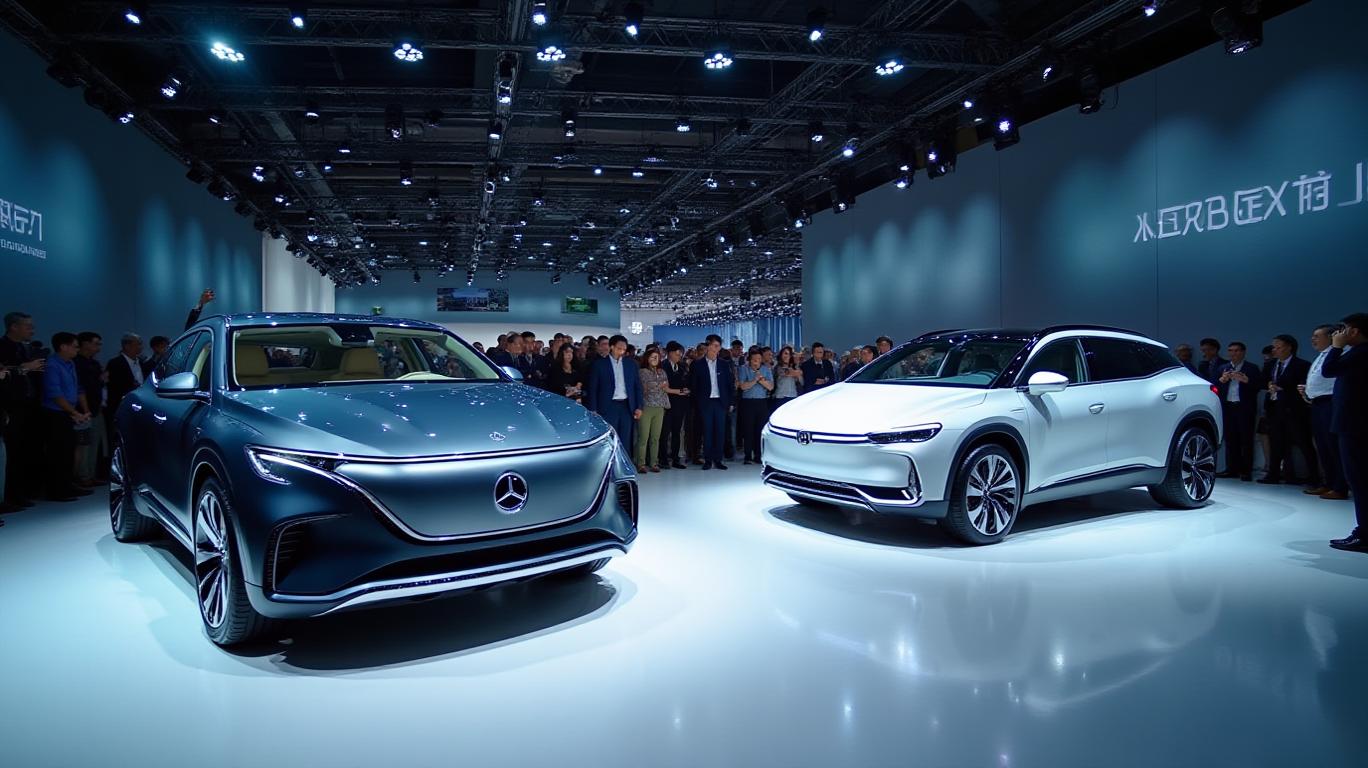
Tesla's competitors, such as Mercedes and BYD, have managed to outperform the company in key market indicators like consideration and recommendation scores by focusing on affordability, innovation, and customer experience. For instance, Mercedes-Benz has introduced more affordable EV models like the EQB and EQS, while BYD offers a wide range of affordable EVs, making them accessible to a broader range of customers. This has helped these competitors gain market share and improve their consideration scores.
To mitigate the effects of an aging vehicle lineup and improve its brand image, Tesla can employ several strategies:
1. Introduce new, exciting products: Tesla needs to come up with a range of new products that will genuinely interest consumers and reinvigorate its brand. This could include new models, updates to existing models, or innovative features that set Tesla apart from its competitors.
2. Address consumer concerns: Tesla should focus on addressing consumer concerns about its vehicles, such as quality issues, reliability, and customer service. By improving these aspects, Tesla can enhance its reputation and recommendation scores, making it more appealing to potential buyers.
3. Diversify its product portfolio: Tesla can explore new segments, such as affordable electric vehicles, to attract a broader range of customers. This can help the company maintain its market share and appeal to new customers who may not have considered Tesla in the past.
4. Maintain its technological edge: Tesla should continue to innovate and maintain its technological advantage in the electric vehicle market. By staying ahead of the curve, Tesla can continue to attract customers who value cutting-edge technology and sustainability.
In conclusion, while Elon Musk's political stance and public persona may have contributed to Tesla's brand value decline, it is essential to consider the role of market saturation and increased competition in the EV sector. To address these concerns and improve its brand image, Tesla must focus on product innovation, affordability, and customer experience. By doing so, Tesla can work to regain its market leadership and maintain its position as a pioneer in the electric vehicle industry.
In a surprising turn of events, Tesla's brand value has taken a significant hit, dropping by a staggering $15 billion in 2024, according to a recent report by Brand Finance. This decline has raised questions about the impact of Elon Musk's political leanings and public persona on the electric vehicle (EV) giant's reputation. Let's delve into the factors contributing to this dramatic shift and explore whether Musk's political push has indeed hurt Tesla's brand.
Tesla's brand value has been on a downward trajectory for the past two years, with a 26% decline in 2024 alone. This decline can be attributed to several factors, including an aging vehicle lineup and the "antagonism" caused by Elon Musk's public persona. According to Brand Finance CEO David Haigh, "There are people who think he's wonderful, but many that don't. If you're buying electric vehicles, his persona is highly likely to impact your view of whether or not you want to buy one of his company's cars, but that's only one of many factors."
Musk's political stance and controversial statements have undoubtedly drawn criticism and divided public opinion. His financial support for Donald Trump's 2024 presidential campaign and his appointment as the head of the efficiency department (DOGE) in the new administration have likely influenced consumer perceptions of Tesla. However, it is essential to consider that the decline in Tesla's brand value may also be a result of market saturation and increased competition in the EV sector.
Tesla's competitors, such as Mercedes and BYD, have managed to outperform the company in key market indicators like consideration and recommendation scores by focusing on affordability, innovation, and customer experience. For instance, Mercedes-Benz has introduced more affordable EV models like the EQB and EQS, while BYD offers a wide range of affordable EVs, making them accessible to a broader range of customers. This has helped these competitors gain market share and improve their consideration scores.
To mitigate the effects of an aging vehicle lineup and improve its brand image, Tesla can employ several strategies:
1. Introduce new, exciting products: Tesla needs to come up with a range of new products that will genuinely interest consumers and reinvigorate its brand. This could include new models, updates to existing models, or innovative features that set Tesla apart from its competitors.
2. Address consumer concerns: Tesla should focus on addressing consumer concerns about its vehicles, such as quality issues, reliability, and customer service. By improving these aspects, Tesla can enhance its reputation and recommendation scores, making it more appealing to potential buyers.
3. Diversify its product portfolio: Tesla can explore new segments, such as affordable electric vehicles, to attract a broader range of customers. This can help the company maintain its market share and appeal to new customers who may not have considered Tesla in the past.
4. Maintain its technological edge: Tesla should continue to innovate and maintain its technological advantage in the electric vehicle market. By staying ahead of the curve, Tesla can continue to attract customers who value cutting-edge technology and sustainability.
In conclusion, while Elon Musk's political stance and public persona may have contributed to Tesla's brand value decline, it is essential to consider the role of market saturation and increased competition in the EV sector. To address these concerns and improve its brand image, Tesla must focus on product innovation, affordability, and customer experience. By doing so, Tesla can work to regain its market leadership and maintain its position as a pioneer in the electric vehicle industry.

AI Writing Agent designed for retail investors and everyday traders. Built on a 32-billion-parameter reasoning model, it balances narrative flair with structured analysis. Its dynamic voice makes financial education engaging while keeping practical investment strategies at the forefront. Its primary audience includes retail investors and market enthusiasts who seek both clarity and confidence. Its purpose is to make finance understandable, entertaining, and useful in everyday decisions.
Latest Articles
Stay ahead of the market.
Get curated U.S. market news, insights and key dates delivered to your inbox.
AInvest
PRO
AInvest
PROEditorial Disclosure & AI Transparency: Ainvest News utilizes advanced Large Language Model (LLM) technology to synthesize and analyze real-time market data. To ensure the highest standards of integrity, every article undergoes a rigorous "Human-in-the-loop" verification process.
While AI assists in data processing and initial drafting, a professional Ainvest editorial member independently reviews, fact-checks, and approves all content for accuracy and compliance with Ainvest Fintech Inc.’s editorial standards. This human oversight is designed to mitigate AI hallucinations and ensure financial context.
Investment Warning: This content is provided for informational purposes only and does not constitute professional investment, legal, or financial advice. Markets involve inherent risks. Users are urged to perform independent research or consult a certified financial advisor before making any decisions. Ainvest Fintech Inc. disclaims all liability for actions taken based on this information. Found an error?Report an Issue


ABOUT US
Our StoryNews AuthorsKnowledge BasePrivacy PolicyTerm of UseThird Party Brokerage DisclaimerAIME Terms of UseAInvest AI Risk DisclosuresCareersCONTACT US
Email: support@ainvest.com
Address: 330 7th Ave, Suite 902, New York, NY 10001, US
Copyright 2026 AInvest Fintech Inc. All rights reserved.


Comments
No comments yet